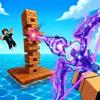
𝗦𝗛𝗢𝗢𝗧 🔫 𝗙𝗜𝗥𝗦𝗧, 𝗙𝗔𝗟𝗟 𝗟𝗔𝗧𝗘𝗥
Obby: Pew Pew Blocks has no interest in being subtle. It takes obstacle-course chaos, adds tower destruction, throws rivals into the mix, and then asks one simple question: can you blow up their structure before they do the same to yours? That is the whole mood right there. Fast, loud, competitive, slightly ridiculous, and absolutely built for players who enjoy turning a clean platform arena into a shower of falling blocks and bad decisions.
On Kiz10, this action game feels like a collision between a shooter, an obby challenge, and a destruction sandbox. You are not just aiming at enemies directly. You are attacking the very thing keeping them standing. One good shot can crack a tower, shift the balance, and send somebody tumbling into the abyss. That makes every level feel tense in a very specific way. You are always one clean hit away from glory and one mistimed move away from becoming part of the scenery on the way down.
It is simple to understand, but the second the first structure starts breaking apart, the game stops being simple and starts being deliciously stressful. In a fun way. Mostly.
𝗧𝗢𝗪𝗘𝗥𝗦 🧱 𝗔𝗥𝗘 𝗡𝗢𝗧 𝗦𝗔𝗙𝗘, 𝗧𝗛𝗘𝗬 𝗔𝗥𝗘 𝗧𝗔𝗥𝗚𝗘𝗧𝗦
The strongest idea in Obby: Pew Pew Blocks is that survival depends on architecture as much as accuracy. You are not only trying to stay alive on dangerous platforms. You are actively dismantling the structures that protect your opponents while defending your own position from the same treatment. That means every block matters. Every weak point matters. Every angle matters.
This makes the shooting feel more satisfying than basic point-and-click combat. You are not simply reducing a health bar. You are breaking support, collapsing cover, and changing the shape of the battlefield in real time. One shot might open a vulnerability. A few more can turn a strong tower into a disaster waiting to happen. And when the final piece gives way and the rival drops into the abyss? Excellent. Deeply excellent.
That destruction loop adds a layer of strategy without slowing the pace. You have to think fast. Which part of the enemy tower is most exposed? Should you go for the base and try to bring the whole thing down, or weaken upper sections to make movement harder? Is it smarter to stay aggressive, or reposition before your own platform becomes a structural memory? These are quick decisions, but they give the game real bite.
𝗢𝗕𝗕𝗬 ⚠️ 𝗠𝗢𝗩𝗘𝗠𝗘𝗡𝗧 𝗠𝗘𝗔𝗡𝗦 𝗬𝗢𝗨 𝗖𝗔𝗡’𝗧 𝗝𝗨𝗦𝗧 𝗦𝗧𝗔𝗡𝗗 𝗔𝗡𝗗 𝗔𝗜𝗠
A lot of shooter games let you settle in, take your time, and treat the arena like a comfortable firing range. Obby: Pew Pew Blocks does the opposite. The obstacle-course design means the map itself is dangerous, unstable, and constantly asking whether your feet deserve to remain under you. That changes everything.
Movement matters just as much as shooting. You have to position well, stay aware of edges, judge jumps, and avoid getting trapped in bad spots while the battle unfolds around you. A perfect shot means very little if you immediately backpedal off a ledge like a confused cartoon villain. The game gets a lot of its energy from that combination of platform pressure and combat pressure. You are balancing aggression with survival every second.
That makes every match feel active. There is no passive waiting here. You are adjusting angles, moving across platforms, watching enemy structures, and trying not to give your rivals an easy line on your own tower. The obby element keeps the shooter side from becoming static, while the shooter side gives the obstacle gameplay a much sharper purpose. It is a nice mix. Chaotic, but nicely chaotic.
𝗣𝗥𝗘𝗖𝗜𝗦𝗜𝗢𝗡 🎯 𝗜𝗦 𝗕𝗘𝗧𝗧𝗘𝗥 𝗧𝗛𝗔𝗡 𝗣𝗔𝗡𝗜𝗖, 𝗘𝗩𝗘𝗡 𝗜𝗙 𝗣𝗔𝗡𝗜𝗖 𝗜𝗦 𝗩𝗘𝗥𝗬 𝗧𝗘𝗠𝗣𝗧𝗜𝗡𝗚
Because the levels are fast and destructive, it can be easy to treat the game like a spray-and-pray chaos machine. Sometimes that works. More often, though, the best results come from clean timing and controlled aim. One accurate shot on the right block can do more than five sloppy ones fired out of pure panic. That gives the game a satisfying skill curve.
You start noticing patterns. Certain tower sections are more vulnerable. Some positions are safer for lining up damage. Some obstacles are more dangerous during movement than during defense. Over time, matches begin to feel less random and more tactical. Not slow tactical, not complicated tactical, but the kind where quick thinking and clean execution genuinely separate a strong round from a messy collapse.
And yes, messy collapses are still part of the fun. A game like this would be boring without a little public embarrassment. Sometimes you think you are about to land the decisive shot, then your own footing disappears and you are suddenly falling into the abyss with all the dignity of a dropped shopping bag. That is part of the experience. Learn, laugh, retry, destroy better next time.
𝗖𝗛𝗜𝗣𝗦 🏆 𝗔𝗡𝗗 𝗨𝗡𝗟𝗢𝗖𝗞𝗦 𝗚𝗜𝗩𝗘 𝗧𝗛𝗘 𝗠𝗔𝗬𝗛𝗘𝗠 𝗠𝗢𝗥𝗘 𝗦𝗧𝗔𝗬𝗜𝗡𝗚 𝗣𝗢𝗪𝗘𝗥
Winning matches earns Chips, and that progression loop gives Obby: Pew Pew Blocks more life than a one-note arena game. You are not just playing for the current victory. You are building toward new weapon skins, fresh tower styles, and more cosmetic personality across your runs. That matters because it keeps the action feeling rewarding even beyond the immediate thrill of knocking rivals off the map.
Cosmetic progression works especially well in a game like this because the matches are already fast and satisfying. You do not need giant systems layered on top of the action. You just need enough unlockable flair to make winning feel like it carries momentum. A new skin or tower look can be a surprisingly effective motivator when the core gameplay is this easy to jump back into.
It also helps the game keep that arcade energy alive. Quick match, quick reward, quick reason to play again. That cycle is dangerous in the best way. You finish one battle thinking you are done, then remember you are close to another unlock and suddenly the next round has already started.
𝗗𝗘𝗦𝗧𝗥𝗨𝗖𝗧𝗜𝗢𝗡 💥 𝗜𝗦 𝗧𝗛𝗘 𝗟𝗔𝗡𝗚𝗨𝗔𝗚𝗘 𝗢𝗙 𝗩𝗜𝗖𝗧𝗢𝗥𝗬
There is something uniquely satisfying about winning by changing the map itself. In Obby: Pew Pew Blocks, destruction is not a bonus effect sitting politely beside the gameplay. It is the gameplay. The battlefield weakens as the match continues. Safe spots disappear. Towers become fragile. The whole level starts feeling more unstable with every good shot.
That escalation gives the game great momentum. Early moments are about setup and pressure. Mid-match turns into a battle of accuracy and movement. Late-round chaos is where everything starts collapsing, literally and emotionally, and the best players are the ones who stay calm while the arena becomes a bad idea. That arc makes even short levels feel dramatic.
It also means that every victory feels earned in a very physical way. You do not just see a score screen and move on. You remember the tower crumbling. You remember the final shot. You remember the opponent slipping into the void because you broke exactly the right piece at exactly the right time. Those are good arcade memories.
𝗖𝗢𝗡𝗧𝗥𝗢𝗟𝗦 🕹️ 𝗔𝗥𝗘 𝗦𝗜𝗠𝗣𝗟𝗘 𝗦𝗢 𝗧𝗛𝗘 𝗖𝗛𝗔𝗢𝗦 𝗖𝗔𝗡 𝗦𝗣𝗘𝗔𝗞
The controls stay clean, which is exactly what a fast obby shooter needs. On PC, movement uses WASD and the mouse handles camera control, so getting around the arena feels natural and immediate. On mobile, on-screen movement and swipe camera controls keep the action readable without overcomplicating things. That simplicity matters. The challenge should come from the collapsing towers and risky platform movement, not from fighting the input scheme.
Because of that, the game feels very accessible from the first match. You can understand the basics immediately, but the speed of battle and the destruction mechanics give you room to improve. That is a strong fit for browser play. Quick to enter, hard to master, easy to replay.
𝗪𝗛𝗬 🚀 𝗢𝗕𝗕𝗬: 𝗣𝗘𝗪 𝗣𝗘𝗪 𝗕𝗟𝗢𝗖𝗞𝗦 𝗛𝗜𝗧𝗦 𝗢𝗡 𝗞𝗜𝗭10
Obby: Pew Pew Blocks works so well on Kiz10 because it merges several satisfying ideas into one sharp arcade loop. It has platform danger, shooter pressure, destruction-based combat, fast rounds, and just enough progression to keep players pushing for more wins. It feels light enough to jump into casually, but intense enough to stay exciting over multiple matches.
If you enjoy obby games, block destruction, tower battles, aim-based action, and competitive platform arenas where the ground beneath everyone slowly stops being trustworthy, this one delivers exactly that kind of energy. It is fast, readable, and full of those little moments where a single clean shot changes everything.
In the end, Obby: Pew Pew Blocks is about making the arena unstable on purpose and surviving the chaos better than everyone else. Shoot well, move smart, break their tower first, and try not to be the fool falling into the abyss while admiring your own work. On Kiz10, that makes it a very easy game to start and a very dangerous game to stop. 😎





 Share
Share
 Embed
Embed