🐾 𝗖𝗨𝗧𝗘 𝗔𝗡𝗜𝗠𝗔𝗟𝗦, 𝗕𝗔𝗗 𝗗𝗘𝗖𝗜𝗦𝗜𝗢𝗡𝗦, 𝗔𝗡𝗗 𝗔 𝗖𝗢𝗡𝗧𝗔𝗜𝗡𝗘𝗥 𝗧𝗛𝗔𝗧 𝗪𝗔𝗡𝗧𝗦 𝗬𝗢𝗨 𝗧𝗢 𝗙𝗔𝗜𝗟
Watermelon: Falling Animals is the kind of puzzle game that looks soft, silly, and harmless for about ten seconds. Then the container starts filling, your perfect little merge plan collapses, and suddenly you are staring at a pile of badly placed animals like it personally betrayed you. That is exactly why games like this work so well. The rules are simple, the controls are immediate, and the tension arrives much faster than expected.
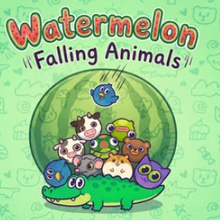
At its heart, this is a merge puzzle game built around placement, pressure, and patience. You drop animals into a container, combine matching ones, unlock bigger creatures through the evolution chain, and try to survive long enough to build huge combos before the space runs out. That loop is almost cruel in how effective it is. Every move feels tiny, but every move matters. One good drop can clean up the board beautifully. One careless drop can turn the whole run into a slow-motion disaster.
And that is the magic of it. The game is easy to understand immediately, but it keeps asking for better judgment the longer you last. That balance between accessibility and quiet brutality is what makes it so hard to stop playing.
🧠 𝗧𝗛𝗜𝗦 𝗜𝗦 𝗡𝗢𝗧 𝗝𝗨𝗦𝗧 𝗔 𝗠𝗘𝗥𝗚𝗘 𝗚𝗔𝗠𝗘, 𝗜𝗧 𝗜𝗦 𝗔 𝗦𝗣𝗔𝗖𝗘 𝗠𝗔𝗡𝗔𝗚𝗘𝗠𝗘𝗡𝗧 𝗘𝗠𝗘𝗥𝗚𝗘𝗡𝗖𝗬
The smartest thing about Watermelon: Falling Animals is that matching is only half the problem. The real enemy is space. The container is always there, quietly shrinking your options every time you place an animal without a clean merge. That pressure changes everything. You are not simply trying to make bigger creatures. You are trying to stay alive long enough to make them.
That makes the game much more strategic than it first appears. Every drop is really a question about the future. Will this setup create a merge now, or at least leave a useful shape for later? Are you keeping the center manageable, or are you slowly building a disaster in the corners? Do you go for a safe combination, or take a risk because a bigger combo could completely change the board?
This kind of tension is exactly why merge games become addictive. They give you just enough control to feel responsible for the mess.
🐶 𝗧𝗛𝗘 𝗘𝗩𝗢𝗟𝗨𝗧𝗜𝗢𝗡 𝗖𝗛𝗔𝗜𝗡 𝗠𝗔𝗞𝗘𝗦 𝗘𝗩𝗘𝗥𝗬 𝗠𝗘𝗥𝗚𝗘 𝗙𝗘𝗘𝗟 𝗟𝗜𝗞𝗘 𝗣𝗥𝗢𝗚𝗥𝗘𝗦𝗦
The evolution system is one of the best parts of the game because it gives every successful merge a visible reward. You are not just clearing clutter. You are creating something larger, rarer, and more valuable. That makes each combination feel meaningful. A merge is never only a cleanup action. It is growth.
That is where the “watermelon” style puzzle formula gets its personality. The player is not only avoiding failure. They are chasing the next creature in the chain. That next unlock is always tempting. It gives the whole run momentum, because even when the board looks dangerous, there is still that possibility that one good merge will create enough order to keep the game alive.
And of course, bigger animals mean more points. So the puzzle becomes a balance between short-term survival and long-term greed. You need both. Too much caution, and the score crawls. Too much greed, and the whole container turns into an overcrowded animal catastrophe.
🎯 𝗚𝗢𝗢𝗗 𝗣𝗟𝗔𝗬 𝗜𝗦 𝗔𝗟𝗠𝗢𝗦𝗧 𝗔𝗟𝗪𝗔𝗬𝗦 𝗔𝗕𝗢𝗨𝗧 𝗣𝗟𝗔𝗡𝗡𝗜𝗡𝗚 𝗧𝗛𝗥𝗘𝗘 𝗠𝗢𝗩𝗘𝗦 𝗔𝗛𝗘𝗔𝗗
A lot of people approach merge games like this as if they are purely reactive. Drop whatever you have, hope it works, move on. That is exactly how the game punishes you. Watermelon: Falling Animals gets much better once you start thinking ahead. The board shape matters. Future merges matter. The way pieces settle matters. If you only think about the current drop, the container will eventually teach you a lesson.
That is what makes the game satisfying for longer sessions. Improvement feels real. At first, you are just trying not to lose instantly. Later, you begin reading the shape of the pile more intelligently. You recognize dangerous corners earlier. You hold better positions open for future merges. You stop panicking every time the board gets tight, or at least you panic more professionally.
Those are the moments where the puzzle really comes alive. Not when you survive by accident, but when you start feeling like you actually understand the chaos.
💥 𝗖𝗢𝗠𝗕𝗢 𝗖𝗛𝗔𝗜𝗡𝗦 𝗔𝗥𝗘 𝗪𝗛𝗔𝗧 𝗧𝗨𝗥𝗡 𝗔 𝗚𝗢𝗢𝗗 𝗥𝗨𝗡 𝗜𝗡𝗧𝗢 𝗔 𝗚𝗥𝗘𝗔𝗧 𝗢𝗡𝗘
The most satisfying moments in Watermelon: Falling Animals are probably the combo chains. One merge is nice. A sequence of merges triggered by one smart placement is where the real joy lives. That is when the game stops feeling like damage control and starts feeling like mastery. Suddenly the board clears, points explode upward, and the whole container looks safe again for a brief, beautiful moment.
That sense of momentum is what makes the leaderboard chase meaningful too. A high score does not come from random survival. It comes from creating those big bursts of efficiency. Clean merges, good chain reactions, and disciplined board management all feed into that. The best runs are never just long. They are elegant.
And that elegance is exactly what players end up chasing. Not only staying alive, but staying alive in a way that feels smart.
🏆 𝗧𝗛𝗘 𝗟𝗘𝗔𝗗𝗘𝗥𝗕𝗢𝗔𝗥𝗗 𝗚𝗜𝗩𝗘𝗦 𝗧𝗛𝗘 𝗠𝗔𝗗𝗡𝗘𝗦𝗦 𝗔 𝗥𝗘𝗔𝗟 𝗣𝗨𝗥𝗣𝗢𝗦𝗘
A merge puzzle becomes much more dangerous once it gives the player a public reason to care. The leaderboard does exactly that. Now the game is not just about your own best run. It is about how your best decisions compare to everyone else’s. That instantly makes every merge more meaningful and every mistake more irritating.
The competitive side works especially well here because the core gameplay is so readable. You always know why a score rose or why a run died. That makes improvement feel fair. If someone is higher on the board, the game quietly tells you there is a cleaner way to play. A better way to drop. A smarter way to manage the shape of the pile. That kind of invitation is incredibly hard to resist.
🎁 𝗕𝗢𝗡𝗨𝗦𝗘𝗦 𝗔𝗥𝗘 𝗡𝗢𝗧 𝗖𝗛𝗘𝗔𝗣 𝗘𝗦𝗖𝗔𝗣𝗘𝗦, 𝗧𝗛𝗘𝗬 𝗔𝗥𝗘 𝗣𝗔𝗡𝗜𝗖 𝗧𝗢𝗢𝗟𝗦 𝗙𝗢𝗥 𝗧𝗛𝗘 𝗥𝗜𝗚𝗛𝗧 𝗠𝗢𝗠𝗘𝗡𝗧
The bonus system adds another layer of strategy because it means the player is not completely helpless when the board becomes ugly. That is important. In games like this, power-ups should not erase the challenge, but they should give the player a chance to convert a near-disaster into a recovery. Used well, bonuses create dramatic moments. Used badly, they just delay the inevitable.
That makes them fun. They are not there to play the game for you. They are there to reward good judgment under pressure. Knowing when to trigger a space-clearing effect or force a useful merge is part of the skill ceiling.
🎮 𝗪𝗛𝗬 𝗪𝗔𝗧𝗘𝗥𝗠𝗘𝗟𝗢𝗡: 𝗙𝗔𝗟𝗟𝗜𝗡𝗚 𝗔𝗡𝗜𝗠𝗔𝗟𝗦 𝗙𝗜𝗧𝗦 𝗞𝗜𝗭𝟭𝟬 𝗦𝗢 𝗪𝗘𝗟𝗟
This game fits Kiz10 really well because it combines everything that works in browser puzzle games: instant controls, quick sessions, visible progression, and a challenge curve that hooks both casual players and leaderboard chasers. It is easy to start on desktop or mobile, but the merge depth gives it much stronger staying power than a one-joke casual game.
If you enjoy suika-style puzzles, merge games, and browser titles where every small move can either save the run or quietly doom it, Watermelon: Falling Animals has a lot going for it. It is cute, strategic, and wonderfully cruel in exactly the right way.





 Share
Share
 Embed
Embed