𝗝𝘂𝗺𝗽𝗲𝗿’𝘀 𝗤𝘂𝗲𝘀𝘁 𝗹𝗼𝗼𝗸𝘀 𝗳𝗮𝘀𝘁. 𝗧𝗵𝗲𝗻 𝗶𝘁 𝘀𝘁𝗮𝗿𝘁𝘀 𝗮𝘀𝗸𝗶𝗻𝗴 𝘆𝗼𝘂 𝘁𝗼 𝘁𝗵𝗶𝗻𝗸 ⚡🧠
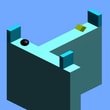
Jumper's Quest begins like a game that just wants your reflexes. Bright stages, quick movement, obstacles everywhere, enemies waiting to mess up your timing, and a clean little promise that if you tap well enough, everything will be fine. Then you hit a few levels, miss one landing, get trapped between a badly timed jump and a smarter obstacle than expected, and realize the game has been hiding its real personality. This is not just a speed platformer. It is a puzzle platformer in disguise, and it loves forcing your brain and your hands to work together under pressure.
That mix is what gives the game its punch. Plenty of jump games are fast. Plenty of puzzle games are clever. Jumper's Quest gets its identity from colliding those two ideas together until every level feels like a miniature emergency that can still be solved with style. You are not simply reacting. You are reading. Calculating. Adjusting. One bad leap can ruin the flow, but one great one makes the whole stage feel effortless for a second. Those seconds are the reward. Then the next obstacle appears and humility returns immediately.
On Kiz10, Jumper's Quest feels like a strong choice for players who enjoy platform games, reflex challenges, skill-based runners, and action puzzles where movement matters as much as decision-making. It is fast enough to feel exciting, but smart enough to avoid becoming a mindless hop-fest.
𝗧𝗵𝗲 𝗰𝗼𝗻𝘁𝗿𝗼𝗹𝘀 𝗮𝗿𝗲 𝘀𝗶𝗺𝗽𝗹𝗲. 𝗧𝗵𝗮𝘁 𝗶𝘀 𝗵𝗼𝘄 𝘁𝗵𝗲 𝗴𝗮𝗺𝗲 𝘁𝗿𝗶𝗰𝗸𝘀 𝘆𝗼𝘂 🕹️😌
One of the smartest things about Jumper's Quest is how easy it feels at first. Tap or swipe to jump. That is the language. No giant input list, no complicated move tree, no nonsense standing between you and the action. It is the kind of setup that invites you in with a smile and then starts quietly asking whether your timing, spacing, and judgment are actually as good as you think.
Because the controls are so intuitive, the challenge lands exactly where it should, on your choices. Every jump carries intent. Or at least it should. The game punishes lazy movement very quickly. Jump too early and you drift into danger. Jump too late and the level reminds you that hesitation is just another way to lose. A clean landing feels great because it proves you read the space correctly, not because the game gave you an easy out.
That clarity is important. It keeps the gameplay from feeling unfair. You fail because the move was wrong, not because the controls betrayed you. In skill games, that difference matters a lot.
𝗜𝘁 𝗶𝘀 𝗮 𝗷𝘂𝗺𝗽𝗶𝗻𝗴 𝗴𝗮𝗺𝗲, 𝗯𝘂𝘁 𝘁𝗵𝗲 𝗯𝗲𝘀𝘁 𝗹𝗲𝘃𝗲𝗹𝘀 𝗳𝗲𝗲𝗹 𝗹𝗶𝗸𝗲 𝘁𝗶𝗻𝘆 𝗺𝗼𝘃𝗶𝗻𝗴 𝗽𝘂𝘇𝘇𝗹𝗲𝘀 🧩🏃
The real charm of Jumper's Quest comes from how it structures obstacles. These are not just random hazards thrown into your path to create noise. They feel arranged with purpose. Every enemy pattern, every jump gap, every tricky landing point seems to ask a question. Can you read this quickly? Can you spot the right route? Can you stay calm long enough to make the clean move instead of the desperate one?
That is where the “mental agility” part becomes real. The game keeps presenting situations that need more than speed. You may have to wait half a second longer, choose a different jump angle, or avoid grabbing a bonus at the wrong time because the safer route matters more than the greedy one. These are small decisions, but they give the whole experience much more texture than a pure reflex runner.
A level in Jumper's Quest often feels like a little conversation between you and the map. The map says, “Here is the obvious route.” Then it quietly watches you fail on it. After that, you start noticing the better line. The intended rhythm. The cleaner path. That is good puzzle design, even when it is moving fast.
𝗘𝗻𝗲𝗺𝗶𝗲𝘀 𝗮𝗿𝗲 𝗻𝗼𝘁 𝗷𝘂𝘀𝘁 𝘁𝗵𝗲𝗿𝗲 𝘁𝗼 𝗹𝗼𝗼𝗸 𝗺𝗲𝗮𝗻. 𝗧𝗵𝗲𝘆 𝗰𝗵𝗮𝗻𝗴𝗲 𝗵𝗼𝘄 𝘆𝗼𝘂 𝘁𝗵𝗶𝗻𝗸 😈🎯
A big reason the game stays interesting is the enemy variety. Different opponents bring different patterns, and that means your movement cannot stay automatic for long. One enemy might force better timing. Another might control space differently. Another might bait you into rushing when the smarter answer is patience.
That constant adaptation gives the platforming more energy. You are not memorizing one trick and repeating it forever. You are learning how to read behavior in motion. That is why the game can feel fast without becoming brainless. You are always reacting, but ideally you are reacting with understanding.
This also helps the levels stay fresh. Creative obstacles are great, but creative enemies add tension in a more active way. They make the stage feel alive. Unfriendly, yes, but alive.
𝗧𝗵𝗲 𝗯𝗼𝗻𝘂𝘀 𝗶𝘁𝗲𝗺𝘀 𝗮𝗿𝗲 𝘁𝗵𝗲 𝗿𝗲𝗮𝘀𝗼𝗻 𝗴𝗿𝗲𝗲𝗱 𝗸𝗲𝗲𝗽𝘀 𝗴𝗲𝘁𝘁𝗶𝗻𝗴 𝘆𝗼𝘂 𝗸𝗶𝗹𝗹𝗲𝗱 💎😅
Collectibles and bonus items are a very smart addition here because they create temptation. A great platform game always gives the player one more thing to think about besides simple survival. In Jumper's Quest, bonus items do exactly that. They give you a reason to take a risk, shift your route, or attempt a tighter landing than you probably should.
And of course, that is fun. Because now the level is not only asking, “Can you finish?” It is also asking, “How well do you want to finish?” That extra layer changes the feel of every run. A cautious player may reach the end more consistently. A bolder player may grab more rewards and build better momentum, but at a higher risk of turning into a cautionary tale.
That tension between safety and style is a huge part of the game’s appeal.
𝗧𝗵𝗲 𝗱𝗶𝗳𝗳𝗶𝗰𝘂𝗹𝘁𝘆 𝗰𝗹𝗶𝗺𝗯𝘀 𝗳𝗮𝘀𝘁, 𝘄𝗵𝗶𝗰𝗵 𝗶𝘀 𝗲𝘅𝗮𝗰𝘁𝗹𝘆 𝘄𝗵𝘆 𝗶𝘁 𝘀𝘁𝗮𝘆𝘀 𝗴𝗼𝗼𝗱 📈🔥
Jumper's Quest does not stay gentle for long. The challenge ramps up quickly, and that is one of its best qualities. It means the game respects the player enough to stop holding hands early. Once you understand the controls, it starts asking for real mastery. Better timing. Better decisions. Cleaner routes. More patience in chaotic moments.
This keeps the whole experience from flattening out. Easy levels teach the language. Harder levels demand fluency. By the time the game gets serious, you are no longer just jumping. You are threading through danger, reading patterns, and trying to preserve momentum under pressure. That is when the game feels best.
It also creates strong replay energy. When a level beats you, the answer usually feels close. You know a cleaner run is possible. You know one smarter jump could fix the whole sequence. That makes failure feel challenging instead of empty. It invites the next attempt immediately.
𝗪𝗵𝘆 𝗝𝘂𝗺𝗽𝗲𝗿’𝘀 𝗤𝘂𝗲𝘀𝘁 𝗶𝘀 𝘀𝗼 𝗲𝗮𝘀𝘆 𝘁𝗼 𝗸𝗲𝗲𝗽 𝗽𝗹𝗮𝘆𝗶𝗻𝗴 ⏳🏆
The reason Jumper's Quest keeps pulling you back is simple. Every level feels beatable, but only if you tighten your play just a little more. That is the perfect kind of frustration. The productive kind. The kind that makes you say, “I know exactly where I messed up,” then launch another run before your brain even finishes the complaint.
It also helps that the movement feels fluid. A good jump game needs rhythm, and this one seems built around it. When the route clicks, the whole level starts feeling like a dance instead of a trap. A very hostile dance, yes, but still a dance.
𝗙𝗶𝗻𝗮𝗹 𝘃𝗲𝗿𝗱𝗶𝗰𝘁: 𝗮 𝗳𝗮𝘀𝘁 𝗽𝗹𝗮𝘁𝗳𝗼𝗿𝗺𝗲𝗿 𝘄𝗶𝘁𝗵 𝗺𝗼𝗿𝗲 𝗯𝗿𝗮𝗶𝗻 𝘁𝗵𝗮𝗻 𝗶𝘁 𝗳𝗶𝗿𝘀𝘁 𝗹𝗲𝘁𝘀 𝗼𝗻 🏁✨
Jumper's Quest is a great platform game because it respects both halves of the challenge. It wants your reflexes, but it also wants your judgment. The jumps feel responsive, the obstacles feel intentional, the enemy patterns keep the action alive, and the scoring bonuses add that extra little pull toward risk and mastery.
If you like Kiz10 skill games where fast movement and smart planning have to work together, this one is an easy recommendation. Stay calm, jump with purpose, and remember: in Jumper's Quest, the best players do not just move quickly. They move correctly.


















 Share
Share
 Embed
Embed