𝗪𝗵𝗲𝗻 𝘁𝗵𝗲 𝗹𝗮𝗱𝗱𝗲𝗿 𝘀𝘁𝗮𝗿𝘁𝘀 𝗹𝗼𝗼𝗸𝗶𝗻𝗴 𝗹𝗶𝗸𝗲 𝗮 𝗺𝗶𝘀𝘁𝗮𝗸𝗲 🪜😵
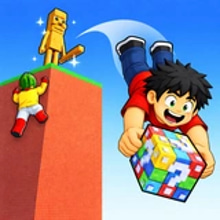
Ladder to Brainhot: Climb Obby feels like somebody took a classic obstacle course, threw it into the sky, added weird collectible creatures, and then whispered, “Good luck, hero.” And honestly? That is exactly why it works. The moment you begin, the whole game locks into that delicious platform-game rhythm: move, jump, land, panic a little, recover, keep climbing. It is simple enough to understand in seconds, but the pace and structure of each obby section make it surprisingly addictive.
This is not just a casual climb where you tap forward and daydream. The game pushes you to stay alert. Platforms are placed with just enough cruelty to make every successful jump feel personal. One tiny mistake and suddenly you are staring into open space, thinking about the life choices that brought you here. Then you respawn, grin like a maniac, and try again. That loop is the trap. A very fun trap.
On Kiz10, Ladder to Brainhot: Climb Obby stands out as a platform game built around vertical progression, timing, and that constant urge to reach the next reward before your brain fully processes the danger. It has the fast, readable appeal of a good obby, but it also adds extra motivation through unlocks, bosses, and base-building systems that keep the climb from feeling repetitive.
𝗧𝗵𝗲 𝗼𝗯𝗯𝘆 𝗶𝘁𝘀𝗲𝗹𝗳: 𝗷𝘂𝗺𝗽, 𝗱𝗼𝗻’𝘁 𝗳𝗹𝗼𝗽, 𝗿𝗲𝗽𝗲𝗮𝘁 🎯☁️
At its core, this is a 3D obby game. That means precision matters. Movement matters. Camera control matters more than people admit. You are constantly reading distances, lining up jumps, adjusting your approach, and trying not to overshoot a platform by half an inch like a dramatic action hero who forgot basic physics.
The controls are easy to learn, which helps the game get straight to the fun. On desktop, you move with WASD and jump with Space. On mobile, a joystick handles movement while an on-screen jump button does the rest. Because of that clean control setup, the challenge comes from the level design rather than from fighting the interface. That is exactly how it should be.
Each section of the obstacle course asks for slightly different timing. Some areas demand patience. Others reward momentum and confidence. Then there are those evil stretches where the best strategy is somewhere between “careful planning” and “just send it.” Ladder to Brainhot: Climb Obby understands that a good climbing game needs variety, so the ascent keeps shifting its rhythm instead of repeating the same cheap trick forever.
𝗕𝗿𝗮𝗶𝗻𝗵𝗼𝘁𝘀, 𝗯𝗼𝘀𝘀𝗲𝘀, 𝗮𝗻𝗱 𝘁𝗵𝗮𝘁 𝗽𝗲𝗿𝗳𝗲𝗰𝘁 𝗹𝗶𝘁𝘁𝗹𝗲 𝗿𝗲𝘄𝗮𝗿𝗱 𝗹𝗼𝗼𝗽 🧠✨
Now here is where the game becomes more than a simple climbing challenge. You are not only scaling impossible stages for bragging rights. You are also chasing Brainhots, those odd little creatures that act like the game’s collectible stars. They are cute, strange, and just mysterious enough to make you want one more. Then another. Then suddenly you are obsessed with building a collection.
That collectible system adds a really satisfying sense of purpose. In many obby games, the reward is simply reaching the end. Here, reaching the end is only part of the story. You climb to capture Brainhots, unlock new possibilities, and feed the larger progression system. It gives every run an extra layer of meaning, which is smart design. People love movement challenges, sure, but they love movement challenges even more when there is treasure at the top 😄
Boss encounters help break the flow in a good way too. Instead of every stage ending in the same predictable manner, special bosses create little spikes of tension and spectacle. That makes each zone feel like its own destination rather than just another chunk of floating geometry in the sky. The game wants the climb to feel like a journey, not a treadmill, and those boss moments help sell that idea.
𝗬𝗼𝘂𝗿 𝗯𝗮𝘀𝗲 𝗶𝘀 𝗻𝗼𝘁 𝗷𝘂𝘀𝘁 𝗱𝗲𝗰𝗼𝗿𝗮𝘁𝗶𝗼𝗻 🏗️💰
One of the nicest surprises in Ladder to Brainhot: Climb Obby is the base system. A lot of obstacle games stop at movement and call it a day. This one keeps going. You can build and improve your base, trade your Brainhots, and strengthen your overall progress. That means your success is not locked to one perfect run. Even failed attempts still feed into a bigger sense of growth.
That economic and upgrade layer changes the mood of the game. It makes the whole experience feel more alive. You are not just a tiny jumper hopping between platforms for no reason. You are climbing for resources, unlocking creatures, improving your setup, and creating a stronger foundation for future runs. It gives the game a mild management flavor without drowning the parkour gameplay under menus and numbers.
And that balance matters. Too much meta-game and the action gets buried. Too little and the progression feels hollow. Ladder to Brainhot: Climb Obby sits in a sweet spot where the upgrades enhance the climbing instead of replacing it.
𝗗𝗮𝗶𝗹𝘆 𝗿𝗲𝘄𝗮𝗿𝗱𝘀 𝘁𝗵𝗮𝘁 𝗮𝗰𝘁𝘂𝗮𝗹𝗹𝘆 𝗺𝗮𝗸𝗲 𝘀𝗲𝗻𝘀𝗲 🎁⚡
Daily bonuses are another reason the game stays sticky. Normally, daily rewards can feel like a lazy checkbox feature. Here, they make more sense because they accelerate the exact systems you already care about: your base development, your pace, and your ability to chase more ambitious climbs. Logging in regularly gives you a noticeable push, not just some forgettable sparkle effect and a polite pat on the head.
That creates a pleasant return cycle. You play, earn rewards, improve your setup, then come back stronger and climb more effectively. It is a very gamey system in the best possible way. The reward structure is clear, immediate, and easy to appreciate.
𝗪𝗵𝘆 𝗶𝘁 𝗳𝗲𝗲𝗹𝘀 𝘀𝗼 𝗲𝗮𝘀𝘆 𝘁𝗼 𝗸𝗲𝗲𝗽 𝗽𝗹𝗮𝘆𝗶𝗻𝗴 🚀🎮
What really gives Ladder to Brainhot: Climb Obby its personality is how many motivations it stacks without becoming messy. You have the immediate thrill of the jump. You have the short-term goal of clearing a stage. You have the medium-term goal of defeating bosses and collecting Brainhots. And then you have the long-term progression of expanding your base and improving efficiency.
That is a lot of moving parts, but the game wraps them in a bright, accessible format. It never feels heavy. It feels playful. Even when you fail, the energy stays light. You miss a jump, sigh dramatically, and launch yourself back into the sky two seconds later like nothing happened. That playful resilience is important. A climbing platform game needs to punish mistakes just enough to be exciting, but not so much that it becomes exhausting.
On Kiz10, this makes Ladder to Brainhot: Climb Obby a great pick for players who enjoy parkour games, obby games, climbing games, and 3D platform challenges with a bit more progression than usual. It is quick to enter, satisfying to master, and packed with enough extras to keep each session feeling productive.
𝗙𝗶𝗻𝗮𝗹 𝘃𝗲𝗿𝗱𝗶𝗰𝘁: 𝗰𝗹𝗶𝗺𝗯 𝗳𝗶𝗿𝘀𝘁, 𝘁𝗵𝗶𝗻𝗸 𝗹𝗮𝘁𝗲𝗿 😎🪜
Ladder to Brainhot: Climb Obby understands the secret of a memorable obby game: give players a tall problem, make movement feel clean, then dangle irresistible rewards just out of reach. The result is a game that turns simple jumping into a full progression adventure. It is fast, weird, cheerful, slightly cruel, and very hard to quit once the collection instinct kicks in.
If you like obstacle courses with vertical tension, quirky unlockables, boss stages, and a satisfying upgrade loop, this one has plenty to offer. Every climb feels like a little story. Sometimes that story ends in glory. Sometimes it ends with you missing a platform by a tragic pixel and falling into the void with dignity issues. Either way, you will probably hit play again. And honestly, that says everything.





 Share
Share
 Embed
Embed