𝗧𝗛𝗘 𝗥𝗔𝗖𝗘 𝗜𝗦 𝗡𝗢𝗧 𝗝𝗨𝗦𝗧 𝗔𝗕𝗢𝗨𝗧 𝗦𝗣𝗘𝗘𝗗, 𝗜𝗧 𝗜𝗦 𝗔𝗕𝗢𝗨𝗧 𝗡𝗢𝗧 𝗕𝗨𝗥𝗡𝗜𝗡𝗚 🚗🌋
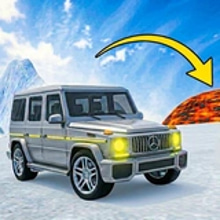
Lava - Turbo mode takes a simple racing idea and pours actual panic underneath it. You are not only trying to beat an opponent to the finish line. You are doing it while lava rises behind you, slowly at first, then with that horrible certainty that makes every bad turn feel much more expensive. Touch the lava and your car is gone. Instantly. No dramatic recovery. No second chances. Just explosion, regret, and the strong feeling that maybe the last jump should have been cleaner.
That is exactly why the game works so well on Kiz10.
It is a racing game, yes, but it is also a survival arcade challenge. The road itself is dangerous, the opponent is pressure, and the lava is the real villain. This creates a great little triangle of tension. Go too slow and the lava wins. Play too safe and your rival gets ahead. Go too wild and you throw yourself off the track trying to avoid both. That balance gives the whole experience a sharp, frantic rhythm that feels much more alive than a normal quick race.
And once the track starts pushing upward or dropping away beneath you, the tension only gets better.
𝗧𝗪𝗢 𝗠𝗢𝗗𝗘𝗦, 𝗧𝗪𝗢 𝗙𝗟𝗔𝗩𝗢𝗥𝗦 𝗢𝗙 𝗣𝗔𝗡𝗜𝗖 ⛰️🔥
One of the best things about Lava - Turbo mode is that it does not force all its energy into one type of course. The game gives you two distinct modes, and each one changes how the danger feels.
Climb is exactly what it sounds like: a race upward, with lava rising beneath you as if the mountain itself has decided to become your worst enemy. This mode has a fantastic sense of pressure because the threat is always coming from below. You feel chased. Every hesitation seems louder. Every missed turn feels heavier. The track becomes a ladder you are desperately trying to outrun the heat on, and that makes even simple movement feel dramatic.
Then there is Descent, which takes the whole fantasy and flips it on its head. Now you are not climbing away from lava, you are racing downward from a giant lava ball. That is such a wonderfully mean image. It turns gravity into your accomplice and your enemy at the same time. The speed feels more reckless, the risk feels more immediate, and the whole mode carries a different type of adrenaline. Climb is pressure from below. Descent is pressure behind you with momentum already on its side.
That variety helps the game a lot. It keeps the same core tension alive while giving each session a different emotional shape.
𝗘𝗔𝗦𝗬 𝗖𝗢𝗡𝗧𝗥𝗢𝗟𝗦, 𝗨𝗚𝗟𝗬 𝗖𝗢𝗡𝗦𝗘𝗤𝗨𝗘𝗡𝗖𝗘𝗦 🎮⚡
Lava - Turbo mode benefits from keeping the controls simple. You drive with WASD or the arrow keys, and that is enough. That kind of simplicity matters in a high-pressure arcade racer. The challenge should come from the environment and your decisions, not from trying to remember some clumsy input map while lava quietly prepares your funeral.
Because the controls stay clean, the game can focus on what really matters: reaction speed, angle control, and route choice. A simple jump becomes important. A slight turn correction becomes critical. The whole game lives on the tiny moments where your hands react just in time or just too late. That makes it very accessible for new players, but it also leaves a lot of room for improvement. The better you get, the more the tracks start feeling readable instead of impossible.
And still, even when you improve, the lava keeps everything honest.
𝗦𝗣𝗘𝗘𝗗 𝗜𝗦 𝗡𝗢𝗧 𝗔𝗟𝗪𝗔𝗬𝗦 𝗬𝗢𝗨𝗥 𝗙𝗥𝗜𝗘𝗡𝗗 💨🧠
A game like this looks like it should always reward full throttle thinking. Go faster, win faster, survive faster. But Lava - Turbo mode is more interesting than that. Speed helps, of course, but uncontrolled speed is just another way to die dramatically. The real skill is learning when to trust the momentum and when to calm it down before the track punishes you.
That is where the arcade design gets clever. The game wants you to be bold, but not sloppy. You need enough aggression to stay ahead of both the rival and the lava, yet enough control to land daring jumps, hold tight turns, and avoid flying straight into some humiliating obstacle because panic took the wheel.
This balance gives each race a nice internal conversation. Push harder now? Slow briefly and take the angle cleanly? Risk the shortcut? Play the safer route and trust consistency? These are small decisions, but they create the whole personality of the run. A great lava racer should make every second feel like a gamble, and this one absolutely does.
𝗦𝗟𝗢𝗪 𝗠𝗢𝗧𝗜𝗢𝗡 𝗔𝗡𝗗 𝗧𝗨𝗥𝗕𝗢 𝗦𝗣𝗘𝗘𝗗 𝗚𝗜𝗩𝗘 𝗧𝗛𝗘 𝗖𝗛𝗔𝗢𝗦 𝗠𝗢𝗥𝗘 𝗧𝗢𝗬𝗦 ⏱️🚀
One of the most fun touches in Lava - Turbo mode is the extra control over time itself. You can slow down time to watch collisions and crashes more clearly, or speed the whole thing up for an even more intense rush. That is a great feature for a sandbox-leaning arcade racer because it lets the player shape the feeling of the chaos.
Slow motion gives you a chance to study the wrecks, the movement, and the weird little disaster moments the game naturally produces. It turns failure into spectacle, which is always a good idea in a physics-flavored driving game. Instead of simply crashing and moving on, you get to enjoy the absurdity of how it happened.
Turbo speed, on the other hand, is for the brave or the unwise. Maybe both. It pushes the race into a much more chaotic zone, where your reactions need to sharpen and the lava feels even more threatening because everything is happening faster than common sense recommends. That option adds replay value because it lets experienced players turn the pressure up even harder.
𝗧𝗛𝗘 𝗧𝗥𝗔𝗖𝗞 𝗜𝗦 𝗔 𝗣𝗨𝗭𝗭𝗟𝗘 𝗬𝗢𝗨 𝗦𝗢𝗟𝗩𝗘 𝗪𝗜𝗧𝗛 𝗥𝗘𝗙𝗟𝗘𝗫𝗘𝗦 🛣️🔥
What makes Lava - Turbo mode so replayable is that the ideal path is rarely obvious at first. You need to practice. To experiment. To discover which jumps are worth it, which turns can be attacked aggressively, and which routes only look safe until the lava makes them useless. That gives the game more depth than a basic quick-race format might suggest.
The more you play, the more the courses start revealing themselves. You begin to anticipate where momentum matters most. You learn how to position the car before tricky sections. You notice the places where one clean move can make the difference between finishing first and vanishing into a fireball. That sense of growing mastery is crucial. Without it, a hard arcade racer becomes frustrating. With it, the frustration turns into motivation.
That is also why the game works across short and long sessions. One race gives you a burst of adrenaline. Several races start teaching you the map. Then suddenly you are not just surviving anymore. You are chasing better lines, faster finishes, and cleaner escapes from the lava.
𝗪𝗛𝗬 𝗟𝗔𝗩𝗔 - 𝗧𝗨𝗥𝗕𝗢 𝗠𝗢𝗗𝗘 𝗙𝗜𝗧𝗦 𝗞𝗜𝗭𝟭𝟬 𝗦𝗢 𝗪𝗘𝗟𝗟 🏁🌋
Lava - Turbo mode is a strong fit for players who enjoy arcade racing games, lava survival games, reflex challenges, stunt driving, and browser experiences where every race feels like a tiny emergency. It has the right ingredients: simple controls, immediate danger, short exciting matches, and enough movement variety to keep the whole thing feeling fresh.
If you like games where the road itself feels hostile, where speed is only useful if you can control it, and where failure usually ends in something loud and fiery, this one is easy to recommend on Kiz10. It captures that excellent arcade feeling of being one clean jump away from triumph and one sloppy turn away from complete destruction.
So hit the gas, trust your reactions, and never forget what is climbing behind you. In Lava - Turbo mode, the finish line is important, but staying above the fire is the real job.



 2.5 (170 votes)
 Share
Share
 Embed
Embed