𝗧𝗛𝗘 𝗖𝗜𝗧𝗬 🏙️ 𝗜𝗦 𝗡𝗢𝗧 𝗬𝗢𝗨𝗥 𝗧𝗥𝗔𝗖𝗞, 𝗕𝗨𝗧 𝗬𝗢𝗨 𝗔𝗥𝗘 𝗚𝗢𝗜𝗡𝗚 𝗧𝗢 𝗥𝗔𝗖𝗘 𝗜𝗧 𝗔𝗡𝗬𝗪𝗔𝗬
Racing in City works because it understands one of the oldest driving-game fantasies ever made: traffic is not just an obstacle, it is the whole point. The road is crowded, the lanes never stay comfortable for long, and every clean overtake feels like a tiny act of skill that could collapse into disaster one second later. That is exactly the kind of pressure that keeps a browser driving game alive. You are not only trying to go fast. You are trying to go fast in a place that clearly does not want to make that easy. Kiz10 already has several live games built around that same kind of traffic-dodging city pressure, including Traffic Racer, GT Traffic Racer, Street Traffic Racer, Red Driver 5, and Drift and Furious, which shows the site already supports this exact style of high-speed urban driving.
What makes Racing in City especially appealing is that it does not treat traffic like background decoration. Traffic is the puzzle. Traffic is the enemy. Traffic is also the source of satisfaction, because the best moments in a game like this come from slipping between other cars just cleanly enough to feel smart, then doing it again before your heartbeat settles down. That rhythm fits Kiz10 very well. The site’s Driving Games and category pages explicitly highlight fast-paced street runs through moving traffic as a core part of its driving-game lineup, which makes Racing in City feel like a natural match for the platform.
𝗧𝗛𝗘 𝗖𝗢𝗖𝗞𝗣𝗜𝗧 🚘 𝗩𝗜𝗘𝗪 𝗠𝗔𝗞𝗘𝗦 𝗘𝗩𝗘𝗥𝗬 𝗡𝗘𝗔𝗥 𝗠𝗜𝗦𝗦 𝗙𝗘𝗘𝗟 𝗠𝗢𝗥𝗘 𝗣𝗘𝗥𝗦𝗢𝗡𝗔𝗟
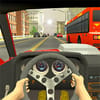
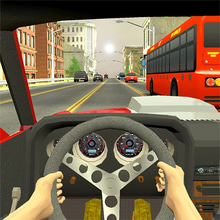
One of the nicest details in Racing in City is the behind-the-wheel viewpoint. That changes the emotional texture of the whole experience. You are not floating safely above the car like some calm little traffic god. You are inside it. That means every lane change feels tighter, every vehicle ahead feels closer, and every mistake feels more immediate. A cockpit view is a great choice for this type of driving game because it turns ordinary dodging into something much more physical. The road does not just scroll toward you. It arrives. Fast. Kiz10’s traffic and city driving pages consistently frame their strongest urban racers around immersion and road pressure, whether through crowded streets, close overtakes, or speed-focused city routes. GT Traffic Racer is described as a high-speed traffic game through crowded roads, while Red Driver 5 focuses on city-street missions with unpredictable traffic, which makes them especially strong comparison points here.
That perspective also makes restraint matter more. A small correction on the steering wheel feels meaningful. A late brake feels much scarier. A clean overtake becomes something you feel in the body instead of just noticing on the screen. Good cockpit-style racers always gain intensity from that closeness, and Racing in City seems to benefit from exactly that effect.
𝗧𝗥𝗔𝗙𝗙𝗜𝗖 🚦 𝗜𝗦 𝗡𝗢𝗧 𝗝𝗨𝗦𝗧 𝗔 𝗕𝗟𝗢𝗖𝗞𝗔𝗗𝗘, 𝗜𝗧 𝗜𝗦 𝗔 𝗦𝗞𝗜𝗟𝗟 𝗧𝗘𝗦𝗧
A game like this becomes satisfying when traffic behaves like a moving exam. You are constantly reading gaps, anticipating lane flow, judging when to commit, and deciding whether the next opening is real or only looks real from a distance. That is what gives city traffic racers their addictive little heartbeat. They are less about memorizing a track and more about making dozens of quick judgments in a place where conditions keep changing. Kiz10’s Traffic Racer page frames the loop exactly that way: weave through packed highways, chase near misses, and keep the run alive. Street Traffic Racer adds drifting, lane-swapping, nitro, and mission pressure in crowded streets. Racing in City sounds like it belongs right beside those games, especially because it also mixes traffic survival with challenge-based progression.
That kind of constantly shifting road design is what makes these games so replayable. If the road were empty, speed would be boring. If the traffic were static, the skill ceiling would feel shallow. But with moving cars everywhere and challenge goals layered on top, every run can ask for slightly different reactions. That is where the fun comes from.
𝗖𝗔𝗥𝗘𝗘𝗥 📈 𝗠𝗢𝗗𝗘 𝗚𝗜𝗩𝗘𝗦 𝗧𝗛𝗘 𝗦𝗣𝗘𝗘𝗗 𝗦𝗢𝗠𝗘 𝗠𝗘𝗠𝗢𝗥𝗬
A huge advantage Racing in City has is that it is not just a one-run traffic game. The description points to a full driving career, and that matters a lot. A career structure turns every good run into long-term progress. It means the road is not only something you survive. It is something you climb through. Points become meaningful. Cash matters. Better cars and upgrades stop being cosmetic dreams and start becoming the next logical step in your relationship with the city. Kiz10’s traffic and city driving catalog already supports that exact pattern. GT Traffic Racer, Traffic Racer, and Red Driver 5 all tie performance to progression, whether through cars, missions, or mode-based challenge structures.
This is where the game’s replay value really deepens. Maybe your first car feels decent, but not sharp enough for the nastier challenge lanes. Fine. Earn more. Upgrade more. Come back faster and cleaner. A good career mode gives the player that lovely sense that every run, even the slightly messy ones, still pushed something forward. That is exactly the kind of loop browser racers need when they want to stay fun after the first few sessions.
𝗨𝗣𝗚𝗥𝗔𝗗𝗘𝗦 🔧 𝗦𝗛𝗢𝗨𝗟𝗗 𝗙𝗘𝗘𝗟 𝗟𝗜𝗞𝗘 𝗧𝗛𝗘 𝗖𝗔𝗥 𝗜𝗦 𝗟𝗘𝗔𝗥𝗡𝗜𝗡𝗚 𝗧𝗢𝗢
The upgrade side is another major strength because city traffic games live on feel. A stronger car should not only be “better” in a menu. It should feel more stable when a lane closes too quickly. It should pull harder when a small opening appears ahead. It should let you recover from bad positioning without the whole run turning into a slow, public apology to the traffic barrier. Kiz10’s Cars Driver page talks about a very similar pleasure curve, where smooth control, fast steering, and clean momentum are the heart of the experience, while Convertible City Driving Sim’s similar-links set confirms there is already a family of open-city and traffic-focused drivers on the site where car handling and progression matter together.
This is important because upgrades in a driving game are only exciting when they change confidence. If the better car makes you attack traffic more boldly, commit to tighter overtakes, or trust late corrections you would not dare try before, then the upgrade system is doing its job.
𝗦𝗟𝗢𝗪 𝗠𝗢𝗧𝗜𝗢𝗡 🕶️ 𝗜𝗦 𝗡𝗢𝗧 𝗔 𝗖𝗥𝗨𝗧𝗖𝗛, 𝗜𝗧 𝗜𝗦 𝗔 𝗦𝗧𝗬𝗟𝗘
The Shift-key slow-motion feature is a clever extra because it changes how the player can approach impossible-looking gaps. Instead of the game being only about raw reaction speed, it also lets players manage moments of precision more intentionally. A tool like that can do a lot for this kind of racer. It makes the game feel more cinematic, more flexible, and more readable for players who want a small tactical release valve in the middle of traffic chaos. It also gives the game a slightly more distinctive identity than a standard endless lane-weaver. Kiz10’s driving catalog already supports multiple substyles of racing, from pure traffic weaving in Traffic Racer to mission-based city challenge in Red Driver 5 and freer urban cruising in Grand City Driving. Racing in City’s slow-motion option helps it sit in between those approaches, adding more control to a traffic-heavy career racer.
That feature can also turn good runs into dramatic ones. A last-second dodge looks better when the moment stretches. A tight pass becomes more memorable. It is a small mechanic, but it adds flavor.
𝗖𝗜𝗧𝗬 🏁 𝗖𝗛𝗔𝗟𝗟𝗘𝗡𝗚𝗘𝗦 𝗪𝗢𝗥𝗞 𝗕𝗘𝗧𝗧𝗘𝗥 𝗪𝗛𝗘𝗡 𝗧𝗛𝗘 𝗥𝗢𝗔𝗗 𝗙𝗘𝗘𝗟𝗦 𝗔𝗟𝗜𝗩𝗘
The best thing about urban traffic racers is that they turn ordinary roads into constantly changing challenge maps. Racing in City seems built around that strength. The city is not static scenery. It is a generator of risk. One run, the gap opens perfectly. Another run, traffic stacks wrong and forces a different line. That means the game can keep surprising the player even if the basic objective stays familiar. Kiz10’s category pages for Driving Games explicitly describe this style of game as street races through moving traffic with tight turns and pace-heavy road pressure, which is basically the exact emotional zone Racing in City wants to live in.
And because the game combines that pressure with career progression, it avoids feeling disposable. The road changes, the challenge evolves, and the player keeps building something between runs. That is a strong formula.
𝗪𝗛𝗬 🏆 𝗥𝗔𝗖𝗜𝗡𝗚 𝗜𝗡 𝗖𝗜𝗧𝗬 𝗙𝗜𝗧𝗦 𝗞𝗜𝗭10
Racing in City fits Kiz10 because the site already has a visible and up-to-date collection of traffic and city driving pages built around the same essential thrills: crowded roads, fast reactions, near misses, and progression through better cars or tougher missions. Traffic Racer, GT Traffic Racer, Street Traffic Racer, Red Driver 5, Drift and Furious, Cars Driver, and Grand City Driving all reinforce that this style of driving game already works on the platform.
If you enjoy city racing games where every overtake feels earned, every mistake feels immediate, and every better car promises a cleaner, faster future through even nastier traffic, this one has all the right ingredients. It is fast, readable, and built around one of the most reliable arcade-driving truths there is: an open road is fine, but a crowded one is where the real skill starts.



 2 (154 votes)
 Share
Share
 Embed
Embed