𝗦𝗜𝗥𝗘𝗡𝗦 𝗜𝗡 𝗔 𝗧𝗢𝗬 𝗪𝗢𝗥𝗟𝗗 🏥🧱
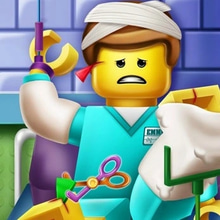
Lego Hospital Recovery on Kiz10 starts with a funny contradiction: everything looks like it’s built from harmless bricks, yet your patient shows up like he’s had the worst day on a real construction site. A LEGO construction worker limps into your clinic, sore, scraped, and clearly regretting whatever stunt got him here. And then the game does what the best hospital recovery games do: it makes you responsible for turning “ouch” into “okay” through a neat, satisfying chain of small actions.
This is not a complicated medical simulator, and it doesn’t try to be. It’s a step-by-step doctor routine with that classic “toolbox” rhythm: inspect, diagnose, treat, clean, bandage, done. But because it’s LEGO-themed, the vibe is lighter and more playful, like a cartoon clinic where the biggest danger is your own impatience. You’re guided through the care process, but you still feel the difference between rushing clicks and doing each step properly. And that’s why it’s addictive. The game keeps feeding you tiny wins: every time you remove a problem, the patient looks better, the scene looks calmer, and your brain quietly goes, good… keep going.
𝗫-𝗥𝗔𝗬 𝗠𝗢𝗠𝗘𝗡𝗧𝗦 𝗔𝗡𝗗 𝗧𝗛𝗔𝗧 𝗦𝗣𝗟𝗜𝗧 𝗦𝗘𝗖𝗢𝗡𝗗 𝗢𝗙 “𝗢𝗛…” 🩻😬
One of the most satisfying parts of Lego Hospital Recovery is the diagnosis step. You’re not just guessing. The game hands you tools that make you feel like a real doctor in a toy world, especially when the X-ray comes into play. There’s something weirdly dramatic about seeing what’s wrong “inside,” even in a cute, non-graphic way. You scan, you check, you confirm the issue, and suddenly the treatment feels more purposeful. It’s not random clicking anymore. It’s a plan.
That plan matters because this genre works best when the order makes sense. You don’t throw a bandage on dirt. You don’t pretend an injury is fixed without cleaning it. The game’s progression pushes you to follow logic: discover the problem, reduce the pain, remove the nasty bits, disinfect, then protect. It’s simple, but it feels right, and that “right” feeling is the hook for people who love doctor games, recovery games, and those oddly satisfying cleaning routines.
𝗧𝗢𝗢𝗟𝗦, 𝗧𝗜𝗠𝗜𝗡𝗚, 𝗔𝗡𝗗 𝗧𝗛𝗘 𝗔𝗥𝗧 𝗢𝗙 𝗚𝗘𝗡𝗧𝗟𝗘 𝗣𝗥𝗘𝗖𝗜𝗦𝗜𝗢𝗡 🧰🩹
The clinic tools are the stars here. In Lego Hospital Recovery, each tool is basically a small promise: if you use me correctly, things will improve. Tweezers remove tiny problems. Cleaning tools make the mess disappear. Disinfectant turns “unsafe” into “okay.” Medicine helps your patient settle down so the rest of the work can happen without panic. And bandages are the satisfying finale, the visual proof that you didn’t just treat the injury, you finished the job.
The best part is how this kind of game rewards careful movement. If you rush and fling your tool around like you’re speedrunning a clinic, you’ll feel clumsy. If you slow down half a beat and place each action neatly, everything feels smoother. You start treating the process like a routine instead of a scramble. That’s when the game becomes relaxing. Not boring-relaxing, more like focused-relaxing, the way organizing something messy can quiet your brain.
𝗧𝗛𝗘 𝗟𝗘𝗚𝗢 𝗩𝗜𝗕𝗘: 𝗖𝗨𝗧𝗘, 𝗖𝗟𝗘𝗔𝗥, 𝗔𝗡𝗗 𝗘𝗔𝗦𝗬 𝗧𝗢 𝗥𝗘𝗔𝗗 🧱✨
LEGO visuals make everything easier to process. Shapes are clean. Colors are clear. Injuries look like problems you can fix, not like something that’s going to gross you out. That’s a big reason this game works well for kids and casual players. It stays friendly while still giving you that “doctor mission” feeling. You don’t need to memorize rules or wonder what to do next. The game keeps the flow moving and gives you enough guidance to stay confident, which is perfect for a quick browser session on Kiz10.
And it’s funny how invested you get. You start caring about doing the steps in a clean order. You want the patient to look fully recovered, not “mostly okay.” You want the bandages placed neatly. You want the final result to look like a proper hospital recovery, not a rushed patch job. That’s the hidden magic: the game turns a simple treatment sequence into a tiny project you want to complete perfectly.
𝗧𝗛𝗘 𝗥𝗘𝗔𝗟 𝗚𝗔𝗠𝗘: 𝗕𝗘𝗙𝗢𝗥𝗘 𝗔𝗡𝗗 𝗔𝗙𝗧𝗘𝗥 𝗗𝗢𝗣𝗔𝗠𝗜𝗡𝗘 🧼😌
Doctor recovery games live or die on transformation. Lego Hospital Recovery understands that and makes sure you see progress constantly. At the start, your LEGO patient looks rough. By the end, he looks calmer, cleaner, and ready to leave the hospital without wincing every time he moves. That visual shift is the reward, and it’s why people replay games like this. Not because the story is deep, but because the process is satisfying.
It also has a small “puzzle” feel even when it’s guided. The puzzle is attention. Did you miss a spot that needs cleaning? Did you skip a step that makes the next tool work properly? Are you applying the treatment where the game expects it, not where you feel like dragging it? Those little checks keep your brain engaged. You’re not being tested with difficulty spikes, you’re being tested with focus. And focus is exactly what makes these simple games feel surprisingly good.
𝗪𝗛𝗬 𝗜𝗧’𝗦 𝗔 𝗚𝗢𝗢𝗗 𝗞𝗜𝗭𝟭𝟬 𝗣𝗜𝗖𝗞 🕹️🏥
Lego Hospital Recovery fits Kiz10 perfectly because it’s immediate and complete. You click play, you treat the patient, you finish the recovery, and you get closure. No long grind, no confusing objectives, no “come back tomorrow.” It’s a straightforward LEGO doctor game with X-ray diagnosis, injury treatment, cleaning steps, medicine use, and bandage care, all wrapped into a single session that feels tidy from starts to finish.
If you like hospital games, recovery doctor games, LEGO-themed casual games, or any step-by-step clinic routine where the goal is to heal a character and make the scene look clean again, this one delivers exactly that. It’s simple, satisfying, and oddly hard to abandon halfway through because your brain wants the final “all fixed” moment. 🧱🩺✨



















 Share
Share
 Embed
Embed