Engines purr like caged thunder and the hangar lights flicker across steel armor as your squad boots up one by one. Mech Heroes is where decisions echo, where a single module swap changes the rhythm of an entire battle, and where victory feels earned right down to the last glowing rivet. You are not just piloting a robot. You are composing a team, tuning synergies, and reading a battlefield that answers bold choices with louder rewards. One match is a quick test. Three matches become a plan. Before you notice, you are weighing energy curves against cooldown windows and smiling because this is the kind of strategy that makes your hands itch to tweak just one more thing.
⚙️ Hangar Heartbeat build with purpose
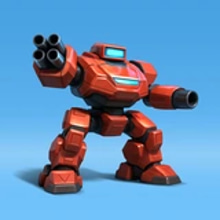
Everything begins in the hangar, a cathedral for metal and intention. Each mech arrives with a role baked into its frame: bruisers that soak, assassins that pierce, controllers that tilt the tempo with slows and stuns, supports that turn narrow losses into clean recoveries. Heroes bring pilot skills that alter posture. A cautious ace stretches survivability with emergency shielding. A reckless prodigy adds burst windows that dare you to commit. The trick is harmony. A heavy front without a plan starves your backline. A glass-cannon trio sings—but only if something buys them ten honest seconds. Tinker with cores, swap reactors, shift weight between armor and mobility, and watch the same chassis transform from blunt hammer to surgical instrument.
🧬 Synergy Lab combos that change how you think
Modules are not just numbers. They are an attitude. Stack ion procs on a lightning chassis and watch arcs hop between clustered targets like gossip, forcing enemies to split. Slot a heat sink set on a flamethrower rig and see dots accelerate into inevitability. Pair kinetic puncture with a railgun and tanks stop being walls; they turn into puzzles you solve with angles. Soft synergies matter too. A slow aura on your frontline makes your sniper feel like a prophet. A cleanse bubble on your medic lets the brawler chase without fear. Once you feel a combo land, your routes through every map shift. Corners you used to avoid turn into ambush stages. Open ground becomes an invitation rather than a risk.
🧠 Tactics that reward calm minds and loud timing
Fights in Mech Heroes are brief stories with clear grammar. Open with a soft poke to bait shields and force an early cooldown. Slide your vanguard half a step left to block a flank before it begins. When the enemy commits, punish. Stagger stuns instead of stacking them. Layer a slow into a knockup so escape frames vanish. Anchor your healer at diagonal range to minimize splash while maximizing line-of-sight. If a brawler dives your backline, kite with a quick boost and drag them across a mine your engineer dropped thirty seconds ago for this exact moment. The spectacle is loud. The decisions are quiet. That contrast is addictive.
🏹 PvP Arena where reads beat reflexes
Climbing the ladder is less about aim and more about honesty. Scout the meta, then refuse to be boxed by it. If the lobby leans into heavy armor, shift to percent-health lasers and bring a disruptor that turns their shield windows into liabilities. If assassins surge, run double peel and anchor your carry behind angle-breaking terrain so jump arcs end in nothing. Map control is the silent stat that wins more than any DPS graph. Hold the center only if your comp loves brawls. Otherwise, play edges, force long lines, and make every engage feel uphill for the other side. Ranks rise when you stop reacting and start inviting the exact fights your build was born to win.
🗺️ PvE Campaign where bosses teach better than tutorials
The story threads through ash deserts, neon ruins, and orbital yards stitched together with cables and daring. Bosses are lectures disguised as fights. A siege golem telegraphs a beam that erases arrogance and rewards smart cover usage. A swarm controller punishes clumps but folds if you separate adds from the core with a patient lure. A stealth assassin forces sensor upgrades and shows you why thermal scopes live in your inventory menu. Each chapter unlocks future legends, new modules, and the sense that the campaign is not padding—it is training for the way you already like to think.
🛠️ Upgrades and equipment feel the change
This is not grind for grind’s sake. Reactor marks shift energy regen in a way you can read in your thumbs. Alloy plating trims incoming burst just enough that a risky peek becomes a calculated play. Mobility servos tighten boost arcs so your micro dodges look like choreography. Weapon overclocks do not just raise numbers; they reshape pacing. A rail that charges faster asks you to play like a scalpel, not a sledge. An auto-cannon with wider spread begs for closer angles and rewards brave corners. You will know an upgrade is right because your next match will play different.
🧭 Raid Mode the sandbox of chaos
This is where you experiment without apology. Slot bizarre skill combinations, stack overlapping fields, and watch the sim try to argue. A vortex pull plus napalm carpet becomes crowd control poetry. Chain shield-pierce with a vulnerable mark from your infiltrator and elites crumble like stale biscuits. Raids are cooperative puzzles: one team lays terrain denial, another plays whack-a-mole with spawns, a third deletes priority targets on a tight clock. Success arrives with a cacophony of emojis and the shared understanding that you did not just succeed—you engineered the moment.
👥 Clans and shared momentum
A tag under your name is more than flair. Clan chat becomes a garage, a chalkboard, a brag wall. Share builds, swap replays, run scrims where the only prize is a new understanding. Coordinated pushes feel different: two flanks called on comms, a synchronized ult wave that lands like a drumline. Weekly clan raids create rituals—Thursday module swap night, Saturday boss theorycraft, a Monday clip thread where someone always posts a ridiculous save nobody knew was possible. Progress meters fill faster when they are full of voices.
🧩 Micro-tech that swings close fights
Feather boost to stay inside a healing field’s radius during a kite. Cancel reloads a beat early if your burst window arrives before the final bullet would matter. Strafe at a shallow angle across splash lines so the enemy’s AoE loses value by geometry alone. Pre-place a trap not at the chokepoint but one step beyond where overconfident chasers plant their feet. Fake a retreat, leave a drone on a corner, and re-engage when the scout ping says their cooldowns are halfway home. These are small habits. They become identity.
🎨 Look and sound that coach without nagging
UI is clean and legible at speed. Cooldown rings breathe instead of blink. Armor cracks spider across plates as health dips, telling you when to peel without a single number. Audio sells information: a high whine as rail coils heat, a hollow thunk when shield gates break, a gravelly hum when your reactor hits peak regen and it is safe to commit. Even the map whispers—wind in broken corridors hints at flank tunnels, neon hum under catwalks betrays a power room with line-of-sight heaven. You learn to listen. You get faster without feeling rushed.
🏁 Why this belongs in your Kiz10 rotation
Because every choice is visible on the field. Because the path from “almost” to “absolutely” is paved with tiny, satisfying tweaks. Because clans make victories louder and defeats lighter. Because PvP respects brains, PvE rewards curiosity, and raids turn experiments into highlights. And because the moment a combo you built melts a threat the community swore was a wall, you will lean back and laugh—the pure, relieved laugh of a plan that worked exactly like it did in your head.















 2.5 (165 votes)
 Share
Share
 Embed
Embed


