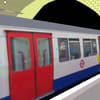
The tunnel breathes like a sleeping giant, and you’re the heartbeat. Doors hiss; a light turns from patient red to forgiving green; the rails hum a low note that you’ll learn by feel long before you could name it. Metro Rail Simulator doesn’t shove explosions in your face. It hands you a cab, a timetable, and the quiet audacity to keep a city moving on time. It’s a rhythm game disguised as realism, a meditation that occasionally sprints, a place where a perfect stop feels louder than a car chase. Take a seat. The city is already counting on you.
🚇 First day, first cab, first breath
The control desk looks like a polite spaceship. Throttle to pull, brake to bless, doors to promise, horn to apologize. Everything is readable if you listen—gauges wink, speed limits whisper along the tunnel wall, and the intercom is a mic that turns your calm into everyone else’s. Your first departure is gentle on purpose. Ease the throttle; feel the car bodies stretch into the curve; hear the wheels sing when you settle at the correct speed. The station slides behind you like a postcard; the next one is a countdown you can’t hear unless you want to. It’s not hard. It’s honest.
🕰️ Timetable tango, or how minutes learn manners
Timeframes are tiny tyrants until you befriend them. This isn’t about sprinting. It’s about leaving precisely when the clock says so, cruising at a speed that spends buffer without burning it, and arriving with enough seconds to align the doors on the quiet stripe that marks the platform sweet spot. You’ll learn what “on time” feels like in your hands: a throttle nudge here, a short coast there, a brake feather that turns urgency into poise. Every smooth arrival earns a private nod from the operator you’re becoming.
⚡ Power, mass, and that hush before the brake bite
Acceleration isn’t a button; it’s a conversation with weight. A half notch out of the station so passengers don’t surf; two notches once the last car clears the platform; a cautious coast into a long curve because steel has opinions about momentum. Braking is a love letter to restraint. Start soft, let friction introduce itself, then deepen the bite as speed surrenders. Nail it and the car leans forward like a bow; mess it up and you’ll feel the lurch in your teeth. The physics are generous, but never flattery. If you respect mass, it repays you in comfort and seconds.
🛤️ Lines with personality, stations with stories
Every route hums a different song. The river branch drinks light through glass roof segments and asks for camera-ready stops; the old-city loop creaks with tight curves where posted limits mean exactly what they say; the airport run mixes long straight tunnels with wickedly short platforms that demand accurate door alignment or a sheepish announcement. Stations aren’t just names; they’re moods. Morning commuters clog central hubs like a well-behaved tide. Night owls keep smaller stops alive with tired smiles and too-large luggage. You start recognizing regulars even when the game doesn’t name them, because that’s what driving the spine of a city does to your imagination.
🚦 Signals, blocks, and the polite art of waiting
Green invites, yellow warns, double yellow pleads for patience, and red is a brick wall wrapped in courtesy. Signals define your canvas. Learn the block lengths by feel and you’ll feather speed to catch greens rolling through the system like falling dominoes. A good operator doesn’t slam to meet a red; they read far enough ahead to never see it. Still, you’ll meet one, and when you do, the cab quiets into a kind of focused stillness. Doors stay closed. Eyes stay on gauges. The instant the aspect flips, you’re rolling with dignity, not panic.
🧯 Incidents, announcements, and grace under pressure
Not everything cooperates. An unattended bag freezes a platform; a faulty door begs for a reset; a passenger pulls an alarm because humans are glorious and complicated. Your tools are small but effective. Make an announcement that actually calms people. Trigger a diagnostic without nuking your schedule. Reroute onto the express track when dispatch suggests it, then manage your approach speed because express platforms come faster and shorter. Emergencies are exams in kindness and control; pass them and the line breathes easier.
🎚️ Modes that fit your day
Free Drive is coffee and headphones, a zen loop where you learn gradients and curves until your hands know what to do before your eyes do. Career strings shifts into weeks, introduces rush-hour geometry, and rewards streaks of on-time, no-overspeed runs with new lines and cab cosmetics that make your dashboard feel like yours. Challenge scenarios flip the script: stop with a dead speedometer using only trackside posts and your ears; run on manual door control during a sensor outage; keep spacing through a thunderstorm that steals traction just enough to test your braking discipline. All of it respects your time. None of it wastes your patience.
🔧 Upgrades that change how you behave, not who you are
Better brake pads shorten the panic but still make good habits king. A smarter cruise assist helps you hold 55 without staring a hole through the speedo. Platform cameras add a sliver of comfort when a curve hides the last door. Cab skins and route posters are pure personality—no speed bumps, just pride. The best unlocks are invisible to everyone else: your attention span stretches, your touch gets lighter, your judgment about when to coast becomes downright smug.
🔊 Soundscape of a living system
Rails hiss when you overcook a curve; the compressor sighs after a firm stop; the intercar couplers clack a slow metronome over expansion joints you could map by ear. Station chimes mark arrivals with different dialects—bell in one district, soft synth in another—and you’ll find yourself timing your final brake step to land just as the chime finishes. The city overhead murmurs through ventilation grates: rain on street lids, distant horns, the rumble of buses crossing seams. With headphones, your line becomes music arranged in steel.
👁️ UI that whispers, not shouts
Speed. Limit. Aspect. Schedule. That’s the vital quartet, and Metro Rail Simulator keeps them clean. A tiny overspeed glow scolds without drama. A platform alignment stripe slides into match when you’ve nailed it. A timetable tick nudges you in yellow if the buffer shrinks; you can win it back with one disciplined run between stations. It’s interface as coach—present, kind, and stubborn about standards.
🧠 Little pro tips you’ll swear you discovered
Start braking one car length earlier than you think, then give that timing back only after three perfect stops. If you’re late, don’t sprint: steady 2–3 mph above average recovers more time than panicked bursts that spawn reds. On wet days, notch down sooner; adhesion is a rumor when shiny rails meet rain. Align the first door with the mid-platform marker and the rest follow like ducklings. And when the run goes sideways, announce it with confidence and fix the next station; recovery is a sequence, not a wish.
🌆 Why this sim feels at home on Kiz10
Because it turns small mastery into big satisfaction. Because ten minutes is enough for a trip and an exhale, while an hour becomes a routine so clean you’ll start noticing real-world platform markers you used to ignore. Because the difficulty is a curve, not a cliff; the feedback is immediate; and the improvement is something you can feel in your wrist. Metro Rail Simulator makes quiet heroics feel bright—no fireworks, just a city that arrives where it’s going because you did your job beautifully. Doors closing. Mind the gap. Drive.





 Share
Share
 Embed
Embed