🔥 𝗧𝗛𝗘 𝗙𝗟𝗢𝗢𝗥 𝗜𝗦 𝗡𝗢𝗧 𝗝𝗨𝗦𝗧 𝗛𝗢𝗧, 𝗜𝗧 𝗜𝗦 𝗔 𝗗𝗘𝗔𝗧𝗛 𝗧𝗜𝗠𝗘𝗥
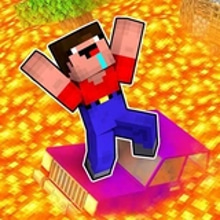
Noob: Floor Is Lava Get to Brainrot takes one of the simplest arcade ideas ever invented and turns it into a full-speed panic machine. A regular noob drops into a blocky world, the ground becomes molten death, and from that moment on, every decision matters. This is not a slow platform game where you casually look around, admire the scenery, and think about your next move like a philosopher in sneakers. This is survival through motion. You run, jump, react, and pray your feet land somewhere solid before the lava rises high enough to make all your plans feel very silly.
That is exactly why the game works. It strips everything down to urgency. The noob is not overpowered. The rules are not complicated. The challenge is brutally clear: stay above the lava, keep moving, and survive longer than your nerves want to. This is an arcade platform game built on reflexes, route reading, and split-second recovery. Every run becomes a tiny disaster story. Sometimes you look brilliant. Sometimes you jump directly into failure with confidence. Both are part of the charm.
🧱 𝗘𝗩𝗘𝗥𝗬 𝗣𝗟𝗔𝗧𝗙𝗢𝗥𝗠 𝗜𝗦 𝗔 𝗣𝗥𝗢𝗠𝗜𝗦𝗘 𝗬𝗢𝗨 𝗛𝗢𝗣𝗘 𝗜𝗧 𝗞𝗘𝗘𝗣𝗦
The genius of floor-is-lava games is that even safe ground never feels truly safe. In Noob: Floor Is Lava Get to Brainrot, platforms are not comfort. They are temporary agreements. You land on one, breathe for half a second, then immediately start looking for the next option because the lava keeps climbing and standing still is just a slower way to lose.
That creates a very specific rhythm. Move. Jump. Adjust the camera. Judge the next distance. Move again. The whole game becomes a chain of quick decisions stitched together by pressure. And because the platform layouts can appear differently from run to run, you never get the luxury of full certainty. Familiarity helps, sure, but the game always leaves enough unpredictability in the path to keep you alert. That means each attempt feels alive instead of scripted.
This is where the platforming becomes more satisfying than it first appears. It is not only about making jumps. It is about making the right jumps at the right time. Panic can ruin a clean path in seconds. So can overconfidence. The best runs happen when you find that strange sweet spot between speed and control, where you move aggressively without turning your noob into a flying mistake.
🏃 𝗦𝗣𝗘𝗘𝗗 𝗜𝗦 𝗬𝗢𝗨𝗥 𝗕𝗘𝗦𝗧 𝗙𝗥𝗜𝗘𝗡𝗗 𝗔𝗡𝗗 𝗬𝗢𝗨𝗥 𝗪𝗢𝗥𝗦𝗧 𝗜𝗗𝗘𝗔
A lot of games say they are about reaction, but this one really means it. The lava never gives you much time to think, and that forces your body to play almost as much as your brain. You see a ledge, a moving route, a possible safe spot, and you commit. Hesitate too long and the floor catches up. Rush too wildly and you overshoot a platform, clip a corner, or land in a place where your next move becomes impossible. It is a beautiful little balance of urgency and discipline.
That makes the game extremely replayable. Every failed run feels close to being a good run. You always feel like the next attempt could be the one where your movement clicks perfectly. Maybe this time you take the cleaner route. Maybe this time you spot the safer platform chain earlier. Maybe this time you do not jump directly into lava like it personally offended you. Growth in games like this comes in tiny bursts, and those bursts are incredibly addictive.
Because the controls stay simple, the challenge never feels buried under complicated systems. On PC, you move with WASD, control the camera with the mouse, and jump with Space. On mobile, the dual-stick setup keeps movement and camera control clear and intuitive. That simplicity is exactly right. The game does not need extra clutter. It needs responsiveness, and it gets it.
🌋 𝗧𝗛𝗘 𝗟𝗔𝗩𝗔 𝗜𝗦 𝗧𝗛𝗘 𝗥𝗘𝗔𝗟 𝗕𝗢𝗦𝗦
The rising lava is more than a hazard. It is the thing shaping the entire experience. Without it, the game would still be a decent obstacle platformer. With it, every second becomes meaningful. The lava creates pressure that never stops, never negotiates, and never lets a clean jump feel like the end of the problem. It changes the mood of every run from simple movement to constant escape.
That is why even easy-looking sections remain tense. A small mistake that would be harmless in another platform game becomes dangerous here because recovery time matters. One awkward landing can ruin your rhythm. One wrong turn can leave you below the only route that still makes sense. One tiny pause can give the lava enough time to turn a manageable level into a sprinting emergency. That pressure is what makes the game exciting.
And because the lava keeps rising no matter how well you are doing, the game creates a great illusion of being chased by the level itself. The world is not just sitting there waiting for you to make decisions. It is pushing back. Hard. That makes every decent survival run feel dramatic, even when the controls and rules are straightforward.
🧠 𝗕𝗥𝗔𝗜𝗡𝗥𝗢𝗧 𝗘𝗡𝗘𝗥𝗚𝗬 𝗞𝗘𝗘𝗣𝗦 𝗜𝗧 𝗪𝗘𝗜𝗥𝗗 𝗜𝗡 𝗧𝗛𝗘 𝗕𝗘𝗦𝗧 𝗪𝗔𝗬
The title already tells you this is not a dry, serious survival simulator. There is a playful, chaotic meme energy running through the whole concept, and that helps a lot. Noob: Floor Is Lava Get to Brainrot knows it is built around a ridiculous, high-pressure premise, and instead of pretending to be solemn about it, the game embraces the fun of it. You are a noob in a blocky world trying to outlast lava and push toward brainrot madness. Good. Excellent. Completely normal.
That tone gives the game personality. The bright cubic graphics, the familiar sandbox-inspired look, and the nonstop arcade movement all make the experience feel approachable even when it is actively trying to ruin your score. The visuals stay clean enough that you can read jumps and routes quickly, which matters a lot in a game where hesitation is expensive.
The score-chasing side also gives the whole thing extra bite. Surviving is good. Surviving longer is better. Chasing a high score means every run has a reason to exist, even if it ends badly. Especially if it ends badly, honestly. That is part of the hook. A failed run is not useless. It is just the setup for the next attempt, the next score, the next moment where your noob somehow turns panic into precision.
🎮 𝗪𝗛𝗬 𝗡𝗢𝗢𝗕: 𝗙𝗟𝗢𝗢𝗥 𝗜𝗦 𝗟𝗔𝗩𝗔 𝗚𝗘𝗧 𝗧𝗢 𝗕𝗥𝗔𝗜𝗡𝗥𝗢𝗧 𝗪𝗢𝗥𝗞𝗦 𝗦𝗢 𝗪𝗘𝗟𝗟 𝗢𝗡 𝗞𝗜𝗭𝟭𝟬
On Kiz10, this game fits perfectly for players who enjoy arcade platform games, Roblox-style obby survival, noob adventures, and fast reflex challenges that are easy to start but hard to master. It gives you immediate action, simple controls, and that dangerous “one more try” loop that can turn a quick session into a much longer battle against rising lava and your own bad decisions.
What makes it memorable is the combination of speed and readability. It does not bury the fun under tutorials or complexity. It throws you into a hot mess and lets your reflexes sort it out. If you like games where movement matters, mistakes hurt instantly, and every run feels like a race against chaos, this one delivers exactly that.
Noob: Floor Is Lava Get to Brainrot is silly, intense, and surprisingly satisfying. It turns jumping into survival, survival into score chasing, and score chasing into a weird personal obsession. The lava rises. The platforms shift your confidence around. The noob keeps running. And somehow, against all logic, you start feeling like you can beat the whole mess. Maybe not gracefully. But definitely loudly. 🚀







 Share
Share
 Embed
Embed


