🚀 𝗜𝗡 𝗧𝗛𝗜𝗦 𝗚𝗔𝗠𝗘, 𝗘𝗩𝗘𝗥𝗬 𝗚𝗢𝗢𝗗 𝗥𝗨𝗡 𝗦𝗧𝗔𝗥𝗧𝗦 𝗪𝗜𝗧𝗛 𝗔 𝗕𝗔𝗗 𝗜𝗗𝗘𝗔
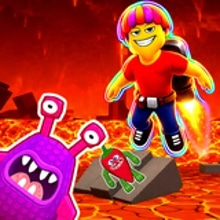
OBBY Brainrots: Jetpack Tycoon knows exactly how to hook a player in the first few minutes. It gives you a strange world, a base that clearly wants to become something bigger, and a map full of ridiculous brainrots waiting to be collected. That would already be enough for a fun little tycoon game, but then it adds islands, parkour movement, a jetpack, and a moving lava wave that quietly turns every trip into a small panic attack. Suddenly, a simple resource run becomes a decision. Do you push farther for something rarer, or turn back now and cash in while you still can?
That tension is what makes the game so easy to keep playing. It is not just about collecting. It is about collecting fast enough, moving smart enough, and escaping cleanly enough that your run actually pays off. You are always balancing greed and survival, which is a very nice problem for a browser tycoon to have. One more jump, one more island, one more rare brainrot, one more second before the lava decides you have been ambitious for long enough.
🧠 𝗕𝗥𝗔𝗜𝗡𝗥𝗢𝗧𝗦 𝗔𝗥𝗘 𝗧𝗛𝗘 𝗪𝗛𝗢𝗟𝗘 𝗘𝗖𝗢𝗡𝗢𝗠𝗬, 𝗕𝗨𝗧 𝗧𝗛𝗘𝗬 𝗔𝗥𝗘 𝗔𝗟𝗦𝗢 𝗧𝗛𝗘 𝗪𝗛𝗢𝗟𝗘 𝗝𝗢𝗞𝗘
A huge part of the game’s charm comes from the brainrots themselves. They are weird, funny, and just valuable enough to make every trip feel worth the risk. This is important because a tycoon game needs a satisfying loop, and OBBY Brainrots: Jetpack Tycoon builds that loop around the simple pleasure of finding something absurd, dragging it back home, and watching your earnings rise because of it. The stranger the collectible, the better the whole process feels.
That gives the game a lot of personality. You are not farming generic coins from empty buildings. You are chasing bizarre rewards through a chaotic obby world, then turning that chaos into real progress at your base. That contrast is what makes it fun. The collecting side feels silly and energetic. The tycoon side feels rewarding and steady. Put together, they create a loop that is much more addictive than it has any right to be.
And because rarer brainrots promise better returns, the game constantly gives you a reason to take slightly worse risks than you probably should.
🏝️ 𝗘𝗩𝗘𝗥𝗬 𝗜𝗦𝗟𝗔𝗡𝗗 𝗟𝗢𝗢𝗞𝗦 𝗟𝗜𝗞𝗘 𝗔 𝗚𝗢𝗢𝗗 𝗜𝗗𝗘𝗔 𝗨𝗡𝗧𝗜𝗟 𝗬𝗢𝗨 𝗥𝗘𝗔𝗟𝗜𝗭𝗘 𝗬𝗢𝗨 𝗛𝗔𝗩𝗘 𝗧𝗢 𝗚𝗘𝗧 𝗕𝗔𝗖𝗞
The map design does a lot of the heavy lifting here. Separate islands immediately make the whole game feel more adventurous, because they turn movement into a real part of the challenge instead of just a way to reach the next upgrade. You are not collecting brainrots from a safe little field next to your base. You are leaping out into the world, judging gaps, planning return routes, and trying not to get stranded at the wrong moment.
That is where the obby side becomes more than decoration. Parkour matters. Route choice matters. The safest island may not have the best rewards, and the best rewards may live just far enough away to make the return uncomfortably exciting. That is a good structure. It means the map is not passive. It keeps asking questions. Can you reach this? Can you carry that? Can you get home before the situation gets worse?
And because the islands create natural little stages of danger and ambition, every run starts feeling like its own tiny story. Outbound confidence. Mid-run greed. Sudden regret. Desperate retreat. Profit.
🔥 𝗧𝗛𝗘 𝗟𝗔𝗩𝗔 𝗜𝗦 𝗪𝗛𝗔𝗧 𝗧𝗨𝗥𝗡𝗦 𝗔 𝗙𝗨𝗡 𝗧𝗬𝗖𝗢𝗢𝗡 𝗜𝗡𝗧𝗢 𝗔 𝗣𝗥𝗢𝗣𝗘𝗥 𝗖𝗛𝗔𝗦𝗘
Without the lava wave, the game would still be fun. With it, the game becomes much more alive. The lava is what gives the whole loop urgency. It stops the player from drifting into safe, lazy play and forces the kind of choices that make a run memorable. Stay too long, and you lose. Turn back too early, and you may miss something valuable. That tension is exactly what a good collection tycoon needs when it wants to be more than a passive upgrade simulator.
It also makes success feel much better. Getting a rare brainrot home while the lava closes in feels completely different from calmly walking back with no pressure. One is a transaction. The other feels like a victory. Games become much more addictive when they turn ordinary progress into something dramatic, and the lava does that beautifully.
There is also something very funny about the way the game punishes greed. You know better. You always know better. And then you still go for the extra one.
🛠️ 𝗬𝗢𝗨𝗥 𝗕𝗔𝗦𝗘 𝗜𝗦 𝗪𝗛𝗔𝗧 𝗠𝗔𝗞𝗘𝗦 𝗔𝗟𝗟 𝗧𝗛𝗘 𝗖𝗛𝗔𝗢𝗦 𝗪𝗢𝗥𝗧𝗛 𝗜𝗧
A strong tycoon game needs a base that visibly improves, and OBBY Brainrots: Jetpack Tycoon clearly leans into that reward. Bringing brainrots home is satisfying because the money actually matters. Your base gets bigger, stronger, richer, and more capable with every good set of returns. That kind of visible growth is essential. It tells the player that the risk they are taking out on the islands is turning into something permanent.
This is where the game gets that nice “one more run” feeling. You are always close to another upgrade. Another expansion. Another improvement that will make the next trip a little easier or a little more profitable. That kind of progression loop is incredibly effective when paired with short, intense resource runs. The action never feels disconnected from the building. Every jump has economic meaning.
And once the base starts looking more developed, the whole game becomes even easier to love because you can actually see the results of your greed.
🪂 𝗧𝗛𝗘 𝗝𝗘𝗧𝗣𝗔𝗖𝗞 𝗜𝗦 𝗡𝗢𝗧 𝗝𝗨𝗦𝗧 𝗔 𝗚𝗜𝗠𝗠𝗜𝗖𝗞, 𝗜𝗧 𝗜𝗦 𝗧𝗛𝗘 𝗥𝗘𝗔𝗦𝗢𝗡 𝗧𝗛𝗘 𝗪𝗢𝗥𝗟𝗗 𝗪𝗢𝗥𝗞𝗦
The jetpack is one of the best parts of the entire setup because it changes the feel of movement completely. Instead of making the player rely only on normal jumping, the game gives them a tool that feels a little unstable, a little empowering, and perfect for a world built out of floating routes and risky distances. A jetpack means mistakes can sometimes be recovered. It also means bigger leaps become possible, and that makes the map feel much more open.
More importantly, it makes movement fun in itself. You are not just crossing space. You are gliding through it, correcting in midair, pushing farther than a normal jump should allow, and constantly flirting with disaster. That kind of movement is a perfect fit for brainrot chaos because it adds just enough control to make you bold and just enough uncertainty to make that boldness dangerous.
🎮 𝗢𝗕𝗕𝗬 𝗕𝗥𝗔𝗜𝗡𝗥𝗢𝗧𝗦: 𝗝𝗘𝗧𝗣𝗔𝗖𝗞 𝗧𝗬𝗖𝗢𝗢𝗡 𝗜𝗦 𝗔𝗧 𝗜𝗧𝗦 𝗕𝗘𝗦𝗧 𝗪𝗛𝗘𝗡 𝗜𝗧 𝗙𝗘𝗘𝗟𝗦 𝗙𝗔𝗦𝗧, 𝗦𝗜𝗟𝗟𝗬, 𝗔𝗡𝗗 𝗦𝗠𝗔𝗥𝗧 𝗔𝗧 𝗧𝗛𝗘 𝗦𝗔𝗠𝗘 𝗧𝗜𝗠𝗘
That is the trick the game pulls off well. It looks chaotic, and it is. It feels funny, and it definitely is. But underneath that, it has a strong structure. Collect, return, upgrade, expand, repeat. The obby jumps give the loop energy. The lava gives it urgency. The jetpack gives it freedom. The base gives it meaning. Put all of that together and you get a browser game that feels much bigger than its core idea should allow.
On Kiz10, OBBY Brainrots: Jetpack Tycoon is a strong match for players who enjoy Roblox-style obby games, silly collection loops, base-building tycoons, and arcade progression where movement matters just as much as upgrades. It is colorful, fast, and exactly the kind of game that turns a five-minute session into a much longer one because the next run always feels like it could be better than the last.








 Share
Share
 Embed
Embed


