𝗧𝗛𝗘 𝗚𝗥𝗢𝗨𝗡𝗗 𝗜𝗦 𝗟𝗬𝗜𝗡𝗚 𝗧𝗢 𝗬𝗢𝗨 🪨😄
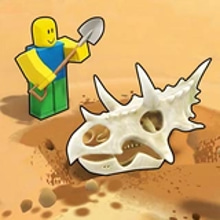
Obby: Dig it starts with the kind of optimism that feels illegal: you’re the universe’s most fortunate digger. Not “pretty good,” not “decent with a shovel,” but outright blessed. The ground beneath your feet is basically a giant surprise box, and you’re about to pry it open with stubbornness, a tool, and a ridiculous amount of curiosity. The first few moments feel simple. You dig, you uncover something shiny, you feel that little pop of satisfaction. Then you uncover something that is not shiny but still valuable, and your brain does that fast math that turns relaxing gameplay into a greedy little plan.
Because this isn’t just about digging down. It’s about what you find, what it’s worth, and how fast you can turn “random underground junk” into upgrades, progress, and the next obsession. On Kiz10, it lands like a chill, colorful digging simulator with an obby flavor, but underneath the calm music and slick visuals there’s a core loop that’s quietly addictive: dig, discover, sell, upgrade, repeat… and suddenly you’re the kind of person who cares deeply about mysterious relics you didn’t know existed five minutes ago.
𝗪𝗢𝗥𝗟𝗗𝗦 𝗧𝗛𝗔𝗧 𝗙𝗘𝗘𝗟 𝗟𝗜𝗞𝗘 𝗧𝗛𝗘𝗬 𝗛𝗜𝗗𝗘 𝗦𝗘𝗖𝗥𝗘𝗧𝗦 🌍🗝️
One of the best parts is that the game doesn’t treat the underground like one endless brown tunnel. It leans into distinctive worlds, the kind that make you wonder what the next layer is going to look like before you even reach it. You’ll dig through stretches that feel familiar, then hit a shift in vibe where the textures, colors, and little details start suggesting a different story. Not a loud story with cutscenes, more like environmental whispering: hey, there’s something strange down here, keep going.
That “keep going” impulse is dangerous because the game is good at dangling possibilities in front of you. Hidden riches. Odd collectibles. Items that look like they belong in a museum but somehow end up in your pocket anyway. It’s the classic digging fantasy: the deeper you go, the weirder and better it gets. And even when you tell yourself you’ll stop after one more discovery, the next discovery shows up like a wink.
𝗗𝗜𝗚𝗚𝗜𝗡𝗚 𝗠𝗘𝗖𝗛𝗔𝗡𝗜𝗖𝗦 𝗧𝗛𝗔𝗧 𝗠𝗔𝗞𝗘 𝗬𝗢𝗨 𝗧𝗛𝗜𝗡𝗞 🤏⛏️
The digging itself is not just mindless clicking. It’s described as complex, and you can feel why: the way you approach a run matters. You start making choices. Do you go straight down for speed, chasing depth like it’s the only thing that matters, or do you carve sideways to scoop up more resources and treasures? Do you clear a wide area for maximum loot, or tunnel narrowly like a focused little mole on a mission?
And then there’s the quiet truth: the ground is not always cooperative. Some sections make you work harder. Some feel like they’re baiting you into wasting time. You’ll learn to read what’s worth breaking and what’s worth skipping. Your tool efficiency becomes part of your personality. Early on, you might dig like a chaotic artist, leaving messy tunnels everywhere. Later, you start digging like someone with a plan, because a plan equals profit.
It’s the kind of mechanic that stays relaxing while still giving you a reason to improve. You can play casually and still have fun, but if you start optimizing, the game happily lets you. It doesn’t fight your strategy. It rewards it.
𝗧𝗥𝗘𝗔𝗦𝗨𝗥𝗘, 𝗥𝗘𝗟𝗜𝗖𝗦, 𝗔𝗡𝗗 𝗧𝗛𝗔𝗧 𝗢𝗡𝗘 𝗜𝗧𝗘𝗠 𝗬𝗢𝗨 𝗞𝗘𝗘𝗣 𝗦𝗧𝗔𝗥𝗜𝗡𝗚 𝗔𝗧 👀💎
Digging games live and die by the loot, and Obby: Dig it leans into variety. There’s “riches” in the straightforward sense, the satisfying shiny stuff that clearly screams value. Then there are the mysterious relics and bizarre items, the ones that make you pause for half a second because you’re not even sure what you’re looking at. That pause is important. It turns collecting into curiosity.
You’ll have moments where you find something and instantly think, okay, I need to know what this is worth. Then you find something else that looks less valuable, but the game’s economy makes it matter anyway because everything can be part of the climb. It’s not only about one big jackpot. It’s about stacking wins. Small finds become upgrades. Upgrades become deeper digs. Deeper digs become rarer finds. Rarer finds become the kind of profit that makes you feel smug in the best way.
And yes, there will be at least one item you keep thinking about. The one you sold too early. The one you should have saved. The one you don’t even understand yet but you’re already attached to it like it’s your weird underground pet rock. That’s when you know the collection system is doing its job.
𝗧𝗛𝗘 𝗘𝗖𝗢𝗡𝗢𝗠𝗬 𝗜𝗦 𝗦𝗜𝗠𝗣𝗟𝗘… 𝗨𝗡𝗧𝗜𝗟 𝗜𝗧 𝗜𝗦𝗡’𝗧 🪙🧠
The game highlights a vibrant economy, and that’s where the digging loop transforms into something surprisingly satisfying. You’re not just hoarding loot for the sake of hoarding. You’re trading items for profit, deciding what to sell, what to keep, and what to cash in right now because you want an upgrade immediately. That trade-off is where the game starts feeling personal.
Some players will play it safe, selling consistently, upgrading steadily, keeping momentum. Others will gamble a little, chasing deeper, hoping for bigger finds before they return to trade. Both styles work, and switching between them depending on your mood is part of the fun. There’s a tiny thrill in cashing out after a great run, watching your balance jump, then buying something that makes your next dig noticeably faster. It feels like you’re building a career out of dirt.
And the funniest part is how quickly you start thinking like a shopkeeper of nonsense. You’ll find a bizarre object underground and immediately think, okay, who’s buying this and why is it worth so much. You don’t need the answer. You just need the profit.
𝗠𝗜𝗦𝗦𝗜𝗢𝗡𝗦 𝗔𝗡𝗗 𝗖𝗢𝗟𝗟𝗘𝗖𝗧𝗜𝗢𝗡𝗦 𝗧𝗛𝗔𝗧 𝗞𝗘𝗘𝗣 𝗬𝗢𝗨 𝗛𝗢𝗢𝗞𝗘𝗗 📜🎒
Missions in a digging game are like little contracts with your future self. They give you a reason to dig differently. Instead of always going for depth, you might chase specific items. Instead of always selling everything, you might hold onto a set for a collection goal. That variety matters because it prevents the loop from turning into one repetitive tunnel.
Collections also do something sneaky: they make you care about “one more run” for a reason beyond money. You’re not only digging for upgrades. You’re digging for that last missing piece, that final relic, that weird item you need to complete a set. It turns the underground into a checklist playground, and checklists are dangerous because they make time disappear.
Sometimes you’ll be halfway through a mission and realize you’re playing in a totally different style than usual. More careful, more targeted, more picky about what you break and where you go. That shift keeps the game fresh without needing to constantly reinvent itself.
𝗥𝗘𝗟𝗔𝗫𝗜𝗡𝗚 𝗠𝗨𝗦𝗜𝗖, 𝗕𝗨𝗧 𝗬𝗢𝗨’𝗥𝗘 𝗦𝗧𝗜𝗟𝗟 𝗦𝗪𝗘𝗔𝗧𝗜𝗡𝗚 😅🎧
The vibe is surprisingly soothing for a game that can make you obsess over efficiency. The music and visuals push a relaxed mood, like the game wants you to settle in and enjoy the process. And you can. You really can. There’s something calming about digging through layers, watching resources pop, hearing that gentle sense of progress.
But then you hit a moment where your brain snaps into “grind mode.” You want to finish a mission. You want to maximize profit. You want to reach the next world. You want to see what’s deeper. Suddenly you’re not relaxed anymore, you’re focused, and the calm soundtrack becomes ironic because you’re internally yelling, okay okay okay don’t waste this run.
That mix is part of the charm. It’s a cozy digging simulator when you want it to be, and a goal-chasing obsession when you let it be.
𝗧𝗛𝗘 𝗦𝗠𝗔𝗥𝗧 𝗗𝗜𝗚𝗚𝗘𝗥 𝗠𝗜𝗡𝗗𝗦𝗘𝗧 🧭🧨
If you want to progress faster, the best approach is simple: dig with purpose. Not every run needs to be a depth sprint. Sometimes the smarter move is farming value, completing missions, and building your economy so upgrades come naturally. Then, when your tool and stats feel stronger, you go for the big descent and it feels smooth instead of painful.
Also, don’t underestimate the power of tiny upgrades. Small improvements stack into big comfort. A slightly better tool can turn an annoying layer into a quick pass. A slightly better efficiency can turn a mediocre run into a profitable one. The game is built around that momentum. It’s not asking you to find one magical solution. It’s asking you to keep improving.
Obby: Dig it is a satisfying mix of treasure hunting, upgrade chasing, mission collecting, and relaxed digging vibes with an obby-styled personality. On Kiz10, it’s the kind of game you start for the cute premise and stay for the economy loop and the constant itch to uncover what’s hiding in the next layer. And once you’ve found your first truly bizarre relic, you’ll get it. You’ll be like, okay… what else is down there. 😄





 2.5 (176 votes)
 Share
Share
 Embed
Embed


