𝗣𝗥𝗜𝗡𝗖𝗘𝗦𝗦, 𝗧𝗢𝗪𝗘𝗥, 𝗔𝗡𝗗 𝗔 𝗩𝗘𝗥𝗬 𝗨𝗡𝗛𝗘𝗥𝗢𝗜𝗖 𝗣𝗟𝗔𝗡 👑🗼
Princess & Hammer - Tower Escape starts with the kind of fairytale setup you’ve heard forever, then immediately throws it into the fireplace. You know the script: princess trapped, tall tower, dramatic rescue, heroic footsteps echoing up the stairs. Except… there’s no heroic footsteps. The knight who was supposed to save you got eaten by the guardian dragon. No trumpet. No dramatic kiss. Just an awkward silence and the uncomfortable truth that waiting is officially a losing strategy.
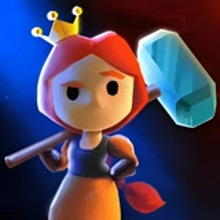
And that’s the moment the game becomes fun in a very personal way. Because you’re not playing as a hero arriving to fix the story. You’re playing as the person who got stuck inside the story and decided to rewrite it with violence and momentum. The knight left his war hammer behind like a sad little apology, and you pick it up with the kind of determination that says, fine, I’ll do it myself. On Kiz10, it feels like a clean twist on classic tower escape: you’re not escaping by sneaking, you’re escaping by swinging.
𝗧𝗛𝗘 𝗛𝗔𝗠𝗠𝗘𝗥 𝗜𝗦 𝗬𝗢𝗨𝗥 𝗔𝗡𝗦𝗪𝗘𝗥 𝗧𝗢 𝗘𝗩𝗘𝗥𝗬𝗧𝗛𝗜𝗡𝗚 🔨😈
There’s something beautiful about a war hammer in a cramped tower. It’s not subtle. It’s not polite. It’s a problem-solver with zero interest in negotiation. You walk into a room, see an enemy, and your brain doesn’t ask “how do I avoid this?” Your brain asks “how hard can I hit it?” The hammer gives the whole escape a chunky, satisfying rhythm. Swing. Impact. Enemy flies or breaks or regrets existing. Move on.
But it’s not just mindless smashing. The best hammer games make you think about timing, spacing, and commitment. A hammer swing is a promise. Once you start it, you’re in it. If you whiff, you’ve basically announced yourself as free damage. If you over-swing, you can put yourself in a bad position. The tower becomes a series of small decisions: do I rush, do I bait, do I wait half a second longer so the swing lands clean? And when you nail it, the combat feels like confidence turned into physics.
It’s also oddly empowering. You’re not the fragile character waiting for an event to happen. You’re the event. The tower isn’t a prison anymore. It’s a ladder made of enemies and bad ideas.
𝗧𝗛𝗘 𝗧𝗢𝗪𝗘𝗥 𝗜𝗦 𝗔 𝗠𝗔𝗣 𝗢𝗙 𝗣𝗔𝗡𝗜𝗖 🏰🧭
A good tower escape game has that vertical pressure. You’re always moving upward, deeper into trouble, closer to the thing that supposedly owns the place. Each floor feels like a new mood. Some rooms feel like quick brawls. Some feel like puzzles you solve with movement and timing. Some feel like traps disguised as “easy progress.”
And because the premise is so blunt, the tower itself becomes the storyteller. It’s not lecturing you with text boxes. It’s showing you that the dragon’s influence is everywhere: guards, hazards, nasty little setups meant to make you hesitate. The game thrives on that feeling of climbing through danger while refusing to slow down, because slowing down is how fear wins.
You’ll also get that classic tower-escape sensation of learning the building. Early floors feel confusing, like you’re guessing. Later, you start recognizing patterns. You feel the rhythm of the rooms. You know when a hallway is too quiet. You can smell a trap in the air, even if you can’t explain how. That’s when the game stops being a scramble and starts being a run.
𝗘𝗡𝗘𝗠𝗜𝗘𝗦 𝗔𝗥𝗘 𝗡𝗢𝗧 𝗝𝗨𝗦𝗧 𝗧𝗔𝗥𝗚𝗘𝗧𝗦, 𝗧𝗛𝗘𝗬’𝗥𝗘 𝗢𝗣𝗜𝗡𝗜𝗢𝗡𝗦 🗡️😤
The enemies in a game like this aren’t just obstacles. They’re the tower’s attitude. Every guard is basically the dragon’s smug confidence wearing armor. And every time you crush one, you’re not only clearing a path, you’re sending a message: the princess is done being a plot device.
That message gets louder as you go. You start swinging with intent. You start choosing fights you might normally avoid, just because you can. There’s a specific kind of joy in games where your character’s power is earned through action, not granted through cutscenes. You’re not told you’re brave. You prove it by continuing upward when the tower keeps trying to push you back down.
And yes, there’s a little internal monologue that happens when you play. You’ll miss a swing and think, wow, embarrassing, the dragon is going to hear about this. You’ll land a perfect hit and think, okay, I’m unstoppable, the tower is doomed. The game gives you room to feel dramatic without forcing it.
𝗢𝗨𝗧𝗦𝗠𝗔𝗥𝗧𝗜𝗡𝗚 𝗧𝗛𝗘 𝗗𝗥𝗔𝗚𝗢𝗡 𝗜𝗦 𝗡𝗢𝗧 𝗔 𝗦𝗜𝗡𝗚𝗟𝗘 𝗠𝗢𝗠𝗘𝗡𝗧 🐉🧠
The dragon isn’t just a boss waiting at the end. It’s a presence. Even when you don’t see it, you feel the idea of it: the guardian that already beat the supposed hero. That adds a fun pressure to your climb. You’re not fighting toward a generic finish line. You’re marching toward something that has already proven it can end stories.
So the escape becomes a mix of force and cleverness. You’re defeating enemies, sure, but you’re also avoiding being baited. You’re learning when to commit and when to reposition. You’re making decisions like someone who has accepted the weird truth: the rescue fantasy is over, and survival is a craft.
This is where the game’s tone shines. It’s not a hopeless survival story. It’s a defiant one. You’re not sneaking out like a frightened prisoner. You’re storming out like a storm.
𝗧𝗛𝗘 𝗦𝗔𝗧𝗜𝗦𝗙𝗔𝗖𝗧𝗜𝗢𝗡 𝗢𝗙 𝗣𝗥𝗢𝗚𝗥𝗘𝗦𝗦: 𝗙𝗟𝗢𝗢𝗥 𝗕𝗬 𝗙𝗟𝗢𝗢𝗥 📈✨
Tower escape games are secretly about momentum. If a game can make each cleared floor feel like a small triumph, you keep playing. Princess & Hammer - Tower Escape leans into that. Each successful push upward feels like you’re taking back something the tower stole from you. Not just freedom, but control. The tower wanted you passive. You’re not passive. You’re actively rearranging its population with a hammer.
And the pacing benefits from that “one more room” effect. You clear a floor and you think, okay, I can stop. Then you see the next door. You wonder what’s behind it. You wonder if it’s worse. You wonder if it’s easier. Curiosity wins. You swing again. And again. The escape becomes a chain of decisions that keep you moving because the game keeps teasing the next little challenge.
It’s also the kind of game where improvement feels real. At first, you might swing too early, rush, eat damage, stumble. Later, you’re more patient. You space your hits. You control the room. You start feeling like the hammer isn’t heavy anymore, it’s fluent. That’s when the game clicks into a satisfying flow state.
𝗪𝗛𝗬 𝗜𝗧 𝗙𝗘𝗘𝗟𝗦 𝗦𝗢 𝗚𝗢𝗢𝗗 𝗢𝗡 𝗞𝗜𝗭𝟭𝟬 🎮🔥
On Kiz10, Princess & Hammer - Tower Escape works because it combines an instantly understandable goal with a deliciously rebellious tone. Escape the tower. Beat the enemies. Outsmart the dragon. But emotionally, it’s about refusing the old story. You’re not waiting for a hero. You’re the hero, slightly annoyed, holding a hammer like a deadline.
If you like action adventure games, tower escape challenges, fantasy combat, and that satisfying “big weapon, big impact” feeling, this one fits perfectly. It’s fast enough to feel exciting, dramatic enough to feel like a fairytale gone feral, and simple enough to jump into without a long learning curve. You climb because you want freedom, sure, but also because every floor you clear feels like the tower losing its grip on you. And honestly? Watching the tower lose is extremely satisfying. 😄🔨👑





 Share
Share
 Embed
Embed


