🛋️ 𝗦𝗢𝗠𝗘 𝗚𝗔𝗠𝗘𝗦 𝗔𝗦𝗞 𝗬𝗢𝗨 𝗧𝗢 𝗪𝗜𝗡, 𝗧𝗛𝗜𝗦 𝗢𝗡𝗘 𝗔𝗦𝗞𝗦 𝗬𝗢𝗨 𝗧𝗢 𝗠𝗔𝗞𝗘 𝗔 𝗥𝗢𝗢𝗠 𝗙𝗘𝗘𝗟 𝗥𝗜𝗚𝗛𝗧
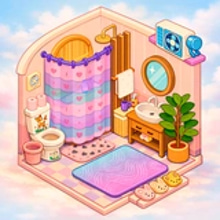
Room Makeover: Design And Aesthetic is the kind of game that understands how satisfying it is to fix a space piece by piece until everything finally clicks. You begin with a room that feels unfinished, almost quiet in an awkward way, and a set of boxes filled with furniture, decorations, and little details waiting to be placed where they belong. Then the real pleasure starts. This is a room design game built around calm observation, cozy arrangement, and that gentle little spark of happiness that comes from turning an empty area into something warm and beautiful.
What makes it work so well is how focused it stays. The game does not drown the player in stress, timers, or messy chaos. Instead, it gives you a room, gives you objects, and lets your attention settle into the simple question that powers the whole experience: where should this go? That sounds almost too small to carry a game, but it absolutely does. In fact, that smallness is the secret. Each object matters. Each corner matters. Each level becomes a tiny conversation between style, color, layout, and intuition.
📦 𝗨𝗡𝗣𝗔𝗖𝗞𝗜𝗡𝗚 𝗙𝗘𝗘𝗟𝗦 𝗚𝗢𝗢𝗗 𝗕𝗘𝗖𝗔𝗨𝗦𝗘 𝗜𝗧 𝗙𝗘𝗘𝗟𝗦 𝗟𝗜𝗞𝗘 𝗣𝗥𝗢𝗚𝗥𝗘𝗦𝗦
One of the nicest things about Room Makeover: Design And Aesthetic is that it builds satisfaction out of very ordinary actions. You open the boxes, take out a chair, a lamp, a mirror, a bed, a rug, a shelf, a decoration, and each time the room becomes a little less empty. That sense of steady transformation is hard to resist. The game keeps rewarding your attention with visible improvement. Every correct placement gives the room more identity, more warmth, more life.
That rhythm is what makes the gameplay so relaxing. You are not rushing to memorize patterns or reacting to something loud on the screen. You are noticing. Matching. Adjusting. Letting the room reveal itself as you go. The game turns organization into a form of progress you can see immediately, and that makes even small actions feel worthwhile. A pillow in the right place can make a room feel complete. A lamp in the wrong place can make the whole layout feel off. This game understands those little visual truths, and it builds its puzzle structure around them.
🎨 𝗧𝗛𝗘 𝗥𝗢𝗢𝗠 𝗔𝗟𝗪𝗔𝗬𝗦 𝗚𝗜𝗩𝗘𝗦 𝗬𝗢𝗨 𝗖𝗟𝗨𝗘𝗦, 𝗕𝗨𝗧 𝗜𝗧 𝗡𝗘𝗩𝗘𝗥 𝗦𝗛𝗢𝗨𝗧𝗦 𝗧𝗛𝗘 𝗔𝗡𝗦𝗪𝗘𝗥
A big reason the game stays engaging is that each room has its own style logic. You are not randomly dropping furniture wherever it fits. You are reading the space. Looking at the colors, the walls, the shape of the room, the aesthetic theme, the feeling the layout is asking for. That is where the puzzle side becomes much stronger than it first appears. It is not only about finding open floor. It is about noticing harmony.
The game seems to trust the player in a pleasant way. It gives enough visual guidance that the room never feels impossible to understand, but it still leaves you the small pleasure of figuring things out yourself. A pastel room asks for a softer arrangement. A cleaner modern space pushes you toward a more balanced and minimal layout. A boho or trend-heavy room wants texture, warmth, and personality. The pieces start making sense once you pay attention to the room’s mood. That is a much nicer challenge than pure guesswork.
And because that challenge is visual rather than stressful, the whole experience feels calm even while your brain stays active. You are solving something, just not in a loud way. More like listening with your eyes.
🌸 𝗔𝗘𝗦𝗧𝗛𝗘𝗧𝗜𝗖 𝗚𝗔𝗠𝗘𝗦 𝗪𝗢𝗥𝗞 𝗕𝗘𝗦𝗧 𝗪𝗛𝗘𝗡 𝗧𝗛𝗘𝗬 𝗞𝗡𝗢𝗪 𝗛𝗢𝗪 𝗧𝗢 𝗦𝗟𝗢𝗪 𝗬𝗢𝗨 𝗗𝗢𝗪𝗡
There is something very appealing about a game that does not try to exhaust the player. Room Makeover: Design And Aesthetic clearly leans into that softer energy. It feels like a creative break more than a test. You spend time with each room, look at the pieces, think about the arrangement, and let the space become satisfying at its own pace. That makes it ideal for players who enjoy organizing games, decorating games, and those quiet little experiences where the reward is not a giant explosion but a room finally feeling complete.
This slow pace is one of the game’s biggest strengths. It gives you room to care about the details. A bedside table belongs somewhere specific. A plant makes more sense in one corner than another. A desk should feel natural in the space instead of forced into it. These are tiny decisions, but that is exactly what makes the gameplay soothing. The game asks you to care about balance, and balance is a very good thing to build a cozy design game around.
🪴 𝗘𝗔𝗖𝗛 𝗥𝗢𝗢𝗠 𝗙𝗘𝗘𝗟𝗦 𝗟𝗜𝗞𝗘 𝗔 𝗦𝗠𝗔𝗟𝗟 𝗦𝗧𝗢𝗥𝗬 𝗔𝗕𝗢𝗨𝗧 𝗧𝗔𝗦𝗧𝗘
What keeps the game from feeling repetitive is the variety in room themes. One level may feel light and delicate, another more polished and modern, another softer and dreamier. That matters because it gives the player something new to read every time. You are not only solving the same arrangement puzzle again and again. You are stepping into different visual moods and learning how each space wants to be treated.
That theme variety also helps the game feel more personal. Even though each item has a correct place, the overall atmosphere still feels like an expression of taste. The rooms end up telling little stories about the kind of person who might live there. Cozy, clean, playful, elegant, trendy, soft. Those identities are part of what makes interior design games so enjoyable. They let players spend time inside a mood.
And because the game keeps the visual presentation charming and readable, that mood always comes through clearly. The room is not overloaded. The furniture stands out. The decorative pieces feel meaningful. The whole style supports the puzzle instead of getting in the way of it.
🧠 𝗧𝗛𝗘 𝗣𝗨𝗭𝗭𝗟𝗘 𝗜𝗦 𝗡𝗢𝗧 𝗛𝗔𝗥𝗦𝗛, 𝗜𝗧 𝗜𝗦 𝗚𝗘𝗡𝗧𝗟𝗘 𝗔𝗡𝗗 𝗧𝗛𝗔𝗧 𝗜𝗦 𝗚𝗢𝗢𝗗
Room Makeover: Design And Aesthetic is technically a puzzle game, but it never feels cold or mechanical. The challenge is there, yes, but it is wrapped inside beauty and comfort. You are solving by taste as much as by logic. That makes the whole experience feel more human. A correct answer is not just “the item fits there.” It is “the room feels right now.”
That is a subtle but important difference. It is the reason the game can appeal both to players who love organization and to players who simply enjoy pretty spaces. The act of solving becomes part of the act of decorating. You are not shifting shapes into place because a puzzle demands it. You are doing it because the room becomes more satisfying when everything finally belongs.
✨ 𝗜𝗧 𝗜𝗦 𝗘𝗔𝗦𝗬 𝗧𝗢 𝗦𝗧𝗔𝗥𝗧, 𝗘𝗔𝗦𝗬 𝗧𝗢 𝗦𝗧𝗔𝗬
On Kiz10, Room Makeover: Design And Aesthetic fits beautifully because it offers a slower, more relaxing kind of play without becoming boring. It is easy to understand from the first room, but it keeps enough visual variation and design challenge to remain enjoyable across many levels. That balance is hard to get right. Too simple, and the game becomes forgettable. Too strict, and it loses the cozy charm that makes room design games work. This one sits in a nice middle space.
If you enjoy decorating, organizing, unpacking-style puzzles, or just the quiet pleasure of making a room look complete, this game feels right at home on Kiz10.com. It gives you a series of spaces to improve, trusts you to notice the style, and rewards careful attention with rooms that feel increasingly polished and welcoming. Sometimes that is all a game needs. A few boxes, a blank room, and enough taste to turn both into something lovely.
Room Makeover: Design And Aesthetic is calm, charming, and wonderfully good at making you care about where the lamp goes. That may sound small, but anyone who enjoys design games knows it is not small at all. It is the whole magic.






 Share
Share
 Embed
Embed


