💎 𝗬𝗢𝗨 𝗦𝗧𝗢𝗟𝗘 𝗧𝗛𝗘 𝗪𝗥𝗢𝗡𝗚 𝗚𝗘𝗠
Ruby Raid has the kind of setup that feels legendary for about three seconds and then immediately becomes a survival problem. You grab a sacred ruby, awaken something ancient and furious, and now the entire world seems committed to turning your sprint into a short obituary. That is a strong start. No long explanation. No slow warm-up. Just theft, panic, and a laser beam with very personal feelings.
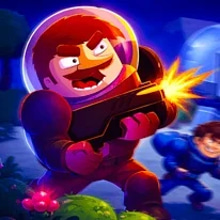
This is an action runner, but not the lazy kind where you only hop over the occasional obstacle and call it a day. Ruby Raid wants more from you. The path keeps moving, the danger keeps growing, and the pressure never really lets go. You are running, jumping, shooting, collecting rubies, dodging traps, and trying not to vaporize in front of a divine security system that clearly does not believe in second chances.
On Kiz10, it fits nicely with the site’s fast arcade style because it understands something very important: if a game is going to make you run forever, it should at least make the running feel intense.
🔥 𝗧𝗛𝗘 𝗟𝗔𝗦𝗘𝗥 𝗜𝗦 𝗧𝗛𝗘 𝗥𝗘𝗔𝗟 𝗕𝗢𝗦𝗦
What makes Ruby Raid stand out is the chase. Plenty of runner games throw obstacles in front of you. This one also gives you something behind you, and that changes the whole mood. The laser is not just decoration. It is the constant reminder that hesitation is fatal. A bad jump is dangerous in any platform runner. Here, even a tiny delay can feel catastrophic because something is always closing in.
That creates a much better kind of tension. You are not only reacting to what is ahead. You are moving with urgency because the game never lets you forget that falling behind is its own death sentence. It is a simple design choice, but it gives the whole experience more bite. The run feels alive. Hostile. Slightly offended by your existence.
And that is why the game can stay exciting without overcomplicating itself. The pressure is built into the chase.
🏃 𝗥𝗨𝗡𝗡𝗜𝗡𝗚 𝗜𝗦 𝗢𝗡𝗟𝗬 𝗛𝗔𝗟𝗙 𝗧𝗛𝗘 𝗣𝗥𝗢𝗕𝗟𝗘𝗠
If Ruby Raid were only about jumping over barriers, it would still be decent. But the shooting adds a lot. Fanatical enemies, blocks, and other threats do not just sit there politely waiting to be avoided. Some things need to be cleared, and that means your hands and your attention are always split between movement and survival. That is where the game gets sharper.
A good action runner needs rhythm, and Ruby Raid seems built around that idea. Jump. Shoot. Collect. Keep moving. Do not get distracted. The best runs probably feel almost musical, at least until panic enters the room and ruins the performance. But that balance between flow and chaos is exactly what makes games like this addictive.
Because the hero moves automatically, the player is left with the important choices only. Timing, reactions, target priority, and resource collecting. That is smart. It trims away the boring parts and leaves the pressure intact.
💰 𝗥𝗨𝗕𝗜𝗘𝗦 𝗔𝗥𝗘 𝗡𝗢𝗧 𝗝𝗨𝗦𝗧 𝗣𝗥𝗘𝗧𝗧𝗬, 𝗧𝗛𝗘𝗬 𝗔𝗥𝗘 𝗣𝗥𝗢𝗚𝗥𝗘𝗦𝗦
The currency loop is another thing that helps. Rubies are not just there to sparkle and tempt you into bad decisions, although they absolutely do that too. They matter because they unlock stronger weapons and better firepower. That gives every run more value. Even when you fail, you are still working toward something. That is crucial in a game where failure will happen often and usually without much dignity.
Weapon upgrades also give the game a stronger sense of growth. You are not trapped in a flat score chase forever. You get stronger. Better armed. More capable of handling the chaos ahead. That means the early game and later game should feel meaningfully different, which is always a good sign in an endless action loop.
It also creates one of the best feelings in arcade design: the moment when something that used to feel overwhelming starts to look manageable because your build finally caught up.
🧱 𝗢𝗕𝗦𝗧𝗔𝗖𝗟𝗘𝗦 𝗔𝗥𝗘 𝗕𝗔𝗗. 𝗪𝗢𝗥𝗦𝗛𝗜𝗣𝗘𝗥𝗦 𝗔𝗥𝗘 𝗔𝗟𝗦𝗢 𝗕𝗔𝗗. 𝗧𝗛𝗘 𝗚𝗔𝗠𝗘 𝗜𝗦 𝗩𝗘𝗥𝗬 𝗖𝗟𝗘𝗔𝗥 𝗢𝗡 𝗧𝗛𝗜𝗦.
Ruby Raid keeps the run interesting by mixing environmental danger with enemy pressure. Blocks and barriers force timing. Worshipers force aggression. The laser forces speed. Together, those pieces create a nice layered challenge where you are never solving only one problem at once.
That layering matters. Endless runners can become repetitive if the game asks the same question over and over. Ruby Raid seems smarter than that. It stacks problems in a way that keeps you engaged. Do you jump now or shoot first? Do you grab the ruby or play it safe? Do you risk a tighter path for more reward? Those little decisions are what give each run personality.
⚡ 𝗧𝗛𝗘 𝗚𝗔𝗠𝗘 𝗚𝗘𝗧𝗦 𝗠𝗘𝗔𝗡𝗘𝗥 𝗧𝗛𝗘 𝗟𝗢𝗡𝗚𝗘𝗥 𝗬𝗢𝗨 𝗦𝗨𝗥𝗩𝗜𝗩𝗘
A runner needs escalation or it dies fast. Ruby Raid seems to understand that, because the farther you go, the more intense everything becomes. That is exactly the right structure. A good run should not feel like more of the same. It should feel like the game is getting less patient with you.
This is where upgrades matter even more. The challenge curve rises, and your firepower needs to rise with it. That back-and-forth creates the game’s long-term hook. Survive longer, earn more, upgrade better, return stronger, push farther. Very simple. Very effective.
🎯 𝗪𝗛𝗬 𝗥𝗨𝗕𝗬 𝗥𝗔𝗜𝗗 𝗪𝗢𝗥𝗞𝗦
Ruby Raid works because it keeps its core idea sharp. A stolen relic. A relentless laser. Constant motion. Obstacles in front, punishment behind, rewards along the way. It has the same fast-pressure energy that makes Kiz10’s runner category appealing, and it fits comfortably alongside other running, jumping, and action-heavy browser games on the site.
If you like endless runner games with more aggression, more danger, and a stronger sense of upgrade-driven momentum, this one has the right ingredients. Run fast, shoot clean, grab the rubies, and try not to get turned into glowing dust by a furious beam from ancient nonsense. A perfectly normal day, really.





 2.5 (152 votes)
 Share
Share
 Embed
Embed