𝗬𝗼𝘂 𝗮𝗿𝗲 𝗻𝗼𝘁 𝗵𝘂𝗻𝘁𝗶𝗻𝗴 𝘁𝗵𝗲 𝗺𝗼𝗻𝘀𝘁𝗲𝗿. 𝗬𝗼𝘂 𝗮𝗿𝗲 𝘁𝗵𝗲 𝗺𝗼𝗻𝘀𝘁𝗲𝗿, 𝗮𝗻𝗱 𝘁𝗵𝗲 𝗿𝘂𝗹𝗲𝘀 𝗮𝗿𝗲 𝘀𝘁𝗶𝗹𝗹 𝗮𝗴𝗮𝗶𝗻𝘀𝘁 𝘆𝗼𝘂 👁️🚨
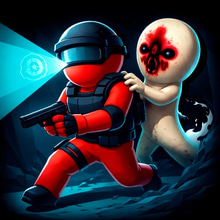
SCP 173 Escape starts with one of those ideas that feels tense before you even move. You are not some helpless victim creeping through the dark while something terrible follows you. You are SCP-173 itself, trying to break out of Foundation control, and the whole escape depends on one brutal rule: you can move only when nobody is looking at you. That one mechanic changes everything. It turns every corridor into a trap, every guard into a moving wall, and every second of silence into a question. Is now safe, or are you about to get caught doing the one thing you absolutely need to do?
That is what makes the game so effective. It takes a very familiar horror concept, dark halls, patrols, escape pressure, and flips the perspective without making the fear disappear. If anything, it becomes stranger. You are dangerous, yes, but you are also limited by a rule so specific that every bit of movement feels earned. A normal stealth game asks you to avoid sightlines. SCP 173 Escape asks you to live inside them, wait them out, and then exploit the smallest opening before someone turns back toward you. It is not loud. It is not chaotic. It is tense in that quieter, nastier way where one wrong move does not feel dramatic at first. It just feels final.
On Kiz10, the game fits beautifully into horror and escape territory because it does not need endless mechanics to create stress. The basic idea is already strong enough. Hide. Wait. Move only when unseen. Reach the exit before the Foundation locks you down again. That simplicity gives the whole experience a sharp edge.
𝗧𝗵𝗲 𝗯𝗲𝘀𝘁 𝗵𝗼𝗿𝗿𝗼𝗿 𝗺𝗲𝗰𝗵𝗮𝗻𝗶𝗰𝘀 𝗮𝗿𝗲 𝘂𝘀𝘂𝗮𝗹𝗹𝘆 𝘁𝗵𝗲 𝗼𝗻𝗲𝘀 𝘁𝗵𝗮𝘁 𝗳𝗲𝗲𝗹 𝘁𝗼𝗼 𝘀𝗶𝗺𝗽𝗹𝗲 𝘁𝗼 𝗮𝗿𝗴𝘂𝗲 𝘄𝗶𝘁𝗵 🧠💀
The central rule in SCP 173 Escape is the kind of mechanic that makes every level feel like a puzzle even when nobody says the word puzzle out loud. You are not just wandering around hoping the patrols happen to miss you. You are reading vision, timing movement, and choosing exactly when to break cover. That means every escape attempt becomes a little test of rhythm and patience. Rush and you lose. Freeze too long and the path closes. Move at the right moment and suddenly a hopeless corridor becomes a clean route forward.
That is why the gameplay works. It creates fear through restraint. Most games reward constant motion. This one makes stillness part of the strategy. You learn to watch the watchers. You stop thinking like a runner and start thinking like a trap waiting for permission to spring. It is a very different kind of stealth feeling, and it gives the game more identity than a generic horror maze would have.
The rule also creates wonderful little moments of panic. A patrol turns too soon. A safe space is not as safe as it looked. A perfect opening appears for half a second and your whole run depends on whether you trust it. Those tiny decisions make the corridors feel more dangerous than their size should allow. The level does not need huge monsters or loud jump scares when a single pair of eyes can ruin everything.
𝗖𝗼𝗿𝗿𝗶𝗱𝗼𝗿𝘀, 𝘀𝗵𝗮𝗱𝗼𝘄𝘀, 𝗮𝗻𝗱 𝗽𝗮𝘁𝗿𝗼𝗹𝘀 𝗱𝗼 𝗮 𝗹𝗼𝘁 𝗼𝗳 𝘁𝗵𝗲 𝗵𝗲𝗮𝘃𝘆 𝗹𝗶𝗳𝘁𝗶𝗻𝗴 🕯️🏃
A game like this lives or dies on atmosphere, and the Foundation setting gives it exactly the kind of cold, controlled danger it needs. Dark corridors are not only there to look dramatic. They support the whole fantasy. Every corner feels like a checkpoint between freedom and capture. Every shadow looks useful until a guard’s line of sight suddenly says otherwise. The environment is doing more than decoration here. It is part of the stealth language.
Patrol behavior matters because the guards are not just enemies, they are moving conditions. They decide when the game permits motion. That creates a strange relationship between you and the people trying to contain you. You are not fighting them directly. You are living around their attention. That tension is much more interesting than standard chase design. It gives the game a stop-start pulse that feels unnerving in the best way.
And because mistakes lead to capture instead of mild inconvenience, every success feels cleaner. A correct dash through a corridor is not just movement. It is relief. It is that tiny exhale your brain gives you when a risky idea somehow works.
𝗦𝘁𝗲𝗮𝗹𝘁𝗵 𝗵𝗲𝗿𝗲 𝗶𝘀 𝗻𝗼𝘁 𝗮𝗯𝗼𝘂𝘁 𝗰𝗿𝗼𝘂𝗰𝗵𝗶𝗻𝗴 𝗮𝗿𝗼𝘂𝗻𝗱. 𝗜𝘁 𝗶𝘀 𝗮𝗯𝗼𝘂𝘁 𝗼𝘄𝗻𝗶𝗻𝗴 𝘁𝗶𝗺𝗶𝗻𝗴 ⏱️👣
What keeps SCP 173 Escape from feeling repetitive is that stealth is built around decision timing more than raw slowness. You do not creep around forever. You wait, read, and then commit. That makes the game feel more active than many hide-and-seek horror titles. Even when you are standing still, you are working. You are tracking routes, measuring gaps, and preparing for the one safe movement window that matters.
This is especially satisfying because it makes improvement very visible. At first, the patrols feel oppressive. The halls feel hostile. Every move feels risky. But after a few attempts, your brain starts noticing patterns. You begin understanding where the safe pauses are, how long a glance lasts, and which route is cleaner than the others. The fear does not disappear, but it gets mixed with confidence. That combination is exactly what good stealth games want.
And because the controls remain simple, arrow keys on PC, tapping on mobile, the challenge never gets buried under awkward input. You lose because the timing was wrong, not because the game confused you. That fairness matters in a game with such a strict rule set.
𝗬𝗼𝘂 𝗽𝗹𝗮𝘆 𝗮𝘀 𝘀𝗼𝗺𝗲𝘁𝗵𝗶𝗻𝗴 𝗱𝗲𝗮𝗱𝗹𝘆, 𝗯𝘂𝘁 𝘁𝗵𝗲 𝗴𝗮𝗺𝗲 𝗻𝗲𝘃𝗲𝗿 𝗹𝗲𝘁𝘀 𝘆𝗼𝘂 𝗳𝗲𝗲𝗹 𝘁𝗼𝗼 𝗰𝗼𝗺𝗳𝗼𝗿𝘁𝗮𝗯𝗹𝗲 🗿⚠️
One of the most interesting things about SCP 173 Escape is that it flips the usual horror role without removing vulnerability. Playing as SCP-173 should feel powerful, and in a way it does. You are the thing the guards fear. But the structure of the game keeps that power tightly controlled. You are dangerous, yet heavily restricted. That contrast is what gives the game its mood.
You are not a rampaging unstoppable force. You are a threat trapped inside a logic cage. Movement is conditional. Exposure is dangerous. Escape is earned through discipline more than destruction. That makes the whole experience much more suspenseful than a simple monster game would be. It is horror with restraint, and restraint is often what makes horror stick.
On Kiz10, that makes it stand out from other escape games and horror games that rely more heavily on direct pursuit. Similar live Kiz10 titles like SCP-173: Foundation Escape, SCP - 173, SCP: Survive, and other stealth-heavy horror escapes show there is already a strong appetite for dark corridor tension, patrol reading, and survival under pressure.
𝗪𝗵𝘆 𝘁𝗵𝗲 𝗴𝗮𝗺𝗲 𝗶𝘀 𝘀𝗼 𝗲𝗮𝘀𝘆 𝘁𝗼 𝗿𝗲𝘁𝗿𝘆 𝗲𝘃𝗲𝗻 𝗮𝗳𝘁𝗲𝗿 𝗮 𝗯𝗮𝗱 𝗿𝘂𝗻 🔁😮💨
A strong stealth game always makes failure feel educational. SCP 173 Escape does that well. When you get caught, you usually know why. You moved too early. You trusted the wrong angle. You misread the patrol. That clarity is important because it makes every failed attempt feel like progress in disguise. The next run is not a blind repeat. It is a cleaner version of the last one.
That is why the game keeps pulling you back in. The answer always feels close. The corridor that trapped you a minute ago suddenly looks manageable. The impossible route starts feeling readable. That transition from “this is absurd” to “wait, I can do this” is one of the most satisfying things any stealth escape game can offer.
𝗙𝗶𝗻𝗮𝗹 𝘃𝗲𝗿𝗱𝗶𝗰𝘁: 𝗮 𝘀𝗶𝗺𝗽𝗹𝗲 𝗶𝗱𝗲𝗮 𝘁𝗵𝗮𝘁 𝘁𝘂𝗿𝗻𝘀 𝗶𝗻𝘁𝗼 𝗴𝗿𝗲𝗮𝘁 𝘁𝗲𝗻𝘀𝗶𝗼𝗻 🏆🕳️
SCP 173 Escape is a sharp horror stealth game because it builds everything around one unforgettable rule and trusts that rule to do the work. The result is tense, readable, and much more nerve-wracking than its simple structure might suggest. Moving only when unseen turns every hallway into a stealth puzzle and every successful dash into a tiny victory.
If you enjoy escape games on Kiz10 with atmosphere, timing, and a more unusual stealth mechanic, this one is easy to recommend. Stay out of sight, trust your timing, and remember: in a place full of watchers, the smallest moment of privacy is everything.
















 4.5 (150 votes)
 Share
Share
 Embed
Embed