𝗡𝗢 𝗧𝗜𝗠𝗘 𝗙𝗢𝗥 𝗤𝗨𝗜𝗘𝗧: 𝗧𝗛𝗘 𝗧𝗢𝗜𝗟𝗘𝗧 𝗪𝗔𝗥 𝗦𝗧𝗔𝗥𝗧𝗦 🚽🔥
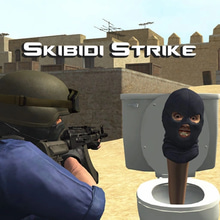
Skibidi Strike drops you into a world where the rules are simple, the enemies are ridiculous, and your trigger finger is basically your life insurance. On Kiz10, this is a 3D shooting game built around one core pressure: eliminate a required number of Skibidi Toilets, survive the level, and earn your reward. It’s the kind of game that doesn’t waste time with long introductions. You spawn as a special forces soldier, you look around, and you immediately understand the vibe: the arena is loud, the targets are everywhere, and you’re here to clean it up with whatever weapon you can unlock next.
What makes it fun isn’t just the meme chaos. It’s the clear progression and the escalating difficulty that keeps your brain engaged. Early levels give you enough space to breathe, aim, and get comfortable. Later levels? The game tightens the screws. More enemies, less forgiveness, more moments where you’re reloading while a toilet horde closes in like you owe them money. 😅
𝗟𝗘𝗩𝗘𝗟 𝗚𝗢𝗔𝗟𝗦 𝗧𝗛𝗔𝗧 𝗙𝗘𝗘𝗟 𝗟𝗜𝗞𝗘 𝗠𝗜𝗦𝗦𝗜𝗢𝗡𝗦 🎯📟
Skibidi Strike is built around clear objectives. Each stage asks you to take down a specific amount of targets before you can move on, which creates that “mission briefing” feeling even when everything on screen is nonsense. This structure is important because it turns chaos into purpose. You’re not just shooting randomly for points; you’re working toward a requirement, and that makes every encounter matter.
It also changes how you play. When the target count is low, you can take safer lines, keep distance, and choose clean shots. When the count gets higher, you start thinking like a survival shooter player. You prioritize fast kills. You read angles. You stop chasing single enemies into bad positions. You begin to treat the map like a tool, not just a background.
And once the difficulty climbs, you’ll notice something funny: you’re still laughing at the absurd enemies, but your focus becomes very real. Your eyes track threats. Your aim tightens. Your movement becomes a habit. Meme skin, serious shooter instincts.
𝗔𝗥𝗦𝗘𝗡𝗔𝗟 𝗣𝗥𝗢𝗚𝗥𝗘𝗦𝗦𝗜𝗢𝗡: 𝗧𝗛𝗘 𝗥𝗘𝗪𝗔𝗥𝗗 𝗧𝗛𝗔𝗧 𝗞𝗘𝗘𝗣𝗦 𝗬𝗢𝗨 𝗖𝗟𝗜𝗖𝗞𝗜𝗡𝗚 🔫✨
The big hook is the arsenal. After each completed level, you’re rewarded with access to more weapons, and that changes the texture of the game in a satisfying way. New guns don’t just feel like “more damage.” They feel like new solutions. Some weapons are better for quick close-range pressure. Others are better for controlling distance and deleting targets before they become a problem.
That variety is what keeps the run from feeling repetitive. When you unlock something stronger, you immediately want to test it. You want to see how it handles, how it clears groups, how it changes your approach. It creates a loop where your progress feels tangible. You’re not only getting better as a player; your soldier is literally becoming better equipped for the chaos ahead.
And yes, there’s a power fantasy here. Going from a basic loadout to a “bigger” gun in a game like this feels like upgrading from “I hope I survive” to “I’m the reason the toilets are afraid.” 😄
𝗗𝗜𝗙𝗙𝗜𝗖𝗨𝗟𝗧𝗬 𝗧𝗛𝗔𝗧 𝗔𝗖𝗧𝗨𝗔𝗟𝗟𝗬 𝗠𝗔𝗧𝗧𝗘𝗥𝗦 ⚠️🧠
Skibidi Strike doesn’t just add more enemies and call it a day. The difficulty curve feels like it pushes you to play smarter. The more levels you clear, the more the game demands that you manage your space, reload at safe moments, and avoid getting surrounded. The chaotic theme might tempt you to stand still and spray, but the game quietly punishes that. If you don’t reposition, the pressure builds and suddenly you’re trapped in a messy situation that could have been avoided with one simple decision: move earlier.
That’s where the “special forces” fantasy becomes real. You’re not a turret. You’re a mobile shooter. You should be clearing threats and then shifting your angle before the next wave closes the distance. Even a tiny sidestep can turn a dangerous corner into a safe line of sight. The game rewards players who treat movement as part of aiming.
When you’re doing it right, the action feels cinematic in a weird way. You swing your view, pop a target, adjust, reload, cut another target down, and keep momentum. When you’re doing it wrong, it’s… loud regret. 😭
𝗧𝗛𝗘 𝗦𝗨𝗥𝗩𝗜𝗩𝗔𝗟 𝗠𝗜𝗡𝗗𝗦𝗘𝗧: 𝗖𝗟𝗘𝗔𝗥 𝗙𝗔𝗦𝗧, 𝗦𝗧𝗔𝗬 𝗦𝗔𝗙𝗘 🛡️💨
Because each level requires a certain number of kills, the temptation is to tunnel-vision on the count. That’s how you get caught. The better mindset is to think in small survival cycles. Clear the nearest threats first. Keep your space. Avoid corners that limit escape routes. Reload when the area is momentarily calm, not when it’s already too late. If you play like you’re always keeping one exit open, you’ll survive longer and finish stages more consistently.
You’ll also notice how your confidence changes when your weapon improves. Stronger guns make you bolder, which is great until it makes you careless. The game loves that moment. It lures you into aggression, then punishes you for forgetting fundamentals. The balance is the fun: feel powerful, but stay disciplined.
And the best part is how quickly you can jump back in. Levels move at a pace that makes retries feel reasonable. You lose, you restart, you adjust your approach, and suddenly the same stage feels easier because you learned the pattern and stopped making the same mistake.
𝗪𝗛𝗬 𝗦𝗞𝗜𝗕𝗜𝗗𝗜 𝗦𝗧𝗥𝗜𝗞𝗘 𝗪𝗢𝗥𝗞𝗦 𝗢𝗡 𝗞𝗜𝗭𝟭𝟬 🎮🚽
Skibidi Strike hits because it combines simple objectives with satisfying shooter progression. It’s easy to understand, quick to play, and loaded with that “one more level” pull because the next weapon reward is always dangling ahead. The meme theme keeps it light, but the gameplay loop stays sharp: aim, survive, unlock, repeat. If you’re into fast 3D action, arena-style pressure, and shooting games where difficulty ramps up without turning into a slow grind, this one is a perfect fit on Kiz10.





 2 (178 votes)
 Share
Share
 Embed
Embed