𝗧𝗵𝗲 𝘀𝗸𝘆 𝗶𝘀 𝗻𝗼𝘁 𝘆𝗼𝘂𝗿 𝗳𝗿𝗶𝗲𝗻𝗱 𝗵𝗲𝗿𝗲. 𝗜𝘁 𝗶𝘀 𝗯𝗮𝘀𝗶𝗰𝗮𝗹𝗹𝘆 𝗮 𝘃𝗲𝗻𝗱𝗶𝗻𝗴 𝗺𝗮𝗰𝗵𝗶𝗻𝗲 𝗳𝗼𝗿 𝗲𝗻𝗲𝗺𝗶𝗲𝘀 ☄️😵
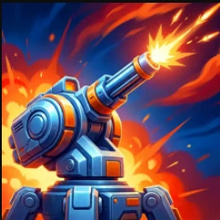
Skyfall Siege has one of those premises that becomes stressful immediately. Enemies do not politely approach from a neat little lane. They rain from above. Constantly. The whole battlefield feels like a ceiling collapse with opinions. That alone gives the game a different flavor from a standard tower defense title. You are not sitting back and watching your defenses do all the work. You are in there with them, moving, firing, dodging, and trying to keep the base alive while the sky does everything in its power to turn your plans into scrap metal.
That is what makes it click. Skyfall Siege is not just a tower defense game, and it is not only an arcade shooter either. It lives in the messy, fun space between the two. You control the character directly, shoot incoming enemies with fast reflexes, and at the same time build automated defenses that can hold the line when things start getting ugly. It is a game about multitasking under pressure. Shoot the immediate threat. Save money. Build a turret. Upgrade it. Move again. Keep breathing. Probably.
On Kiz10, that mix makes Skyfall Siege feel fresh. The defense side gives the action some longer-term planning, while the arcade shooting keeps every second alive. You are never fully safe, and that is exactly why it is hard to stop playing.
𝗠𝗮𝗻𝘂𝗮𝗹 𝘀𝗵𝗼𝗼𝘁𝗶𝗻𝗴 𝗸𝗲𝗲𝗽𝘀 𝘆𝗼𝘂 𝗯𝘂𝘀𝘆. 𝗧𝘂𝗿𝗿𝗲𝘁𝘀 𝗸𝗲𝗲𝗽 𝘆𝗼𝘂 𝗮𝗹𝗶𝘃𝗲. 𝗨𝘀𝘂𝗮𝗹𝗹𝘆. 🔫🛡️
The smartest thing Skyfall Siege does is make both parts of its identity matter. The arcade side gives you immediate control. You move left and right with the arrow keys, fire with Space, and stay active because the enemies are never far from causing trouble. This alone would already make for a decent survival shooter. But then the game adds the defense layer, and suddenly every kill becomes more valuable because it feeds your construction options.
That is where the deeper loop begins. Money earned from kills is not just score. It is survival fuel. You use it to place turrets and defensive structures, and those placements become the difference between holding the line and getting overwhelmed. A good turret setup buys you time. A bad one leaves gaps. A great one turns the battlefield into a zone of controlled panic where you are still under pressure, but at least the pressure is being answered with gunfire from more than one direction.
That balance feels good because it gives the player two kinds of power. Your manual shooting handles urgency. Your structures handle sustainability. Neither side completely replaces the other. You still matter even with a strong defense line. The base still matters even if your aim is sharp.
𝗧𝗵𝗲 𝘄𝗮𝘃𝗲𝘀 𝗱𝗼 𝗻𝗼𝘁 𝗿𝗲𝘀𝗽𝗲𝗰𝘁 𝘆𝗼𝘂𝗿 𝗰𝗼𝗺𝗳𝗼𝗿𝘁, 𝘄𝗵𝗶𝗰𝗵 𝗶𝘀 𝗿𝘂𝗱𝗲 𝗯𝘂𝘁 𝗲𝗳𝗳𝗲𝗰𝘁𝗶𝘃𝗲 🌧️👾
Endless-wave progression is one of those features that only works when the pacing is right. Skyfall Siege seems built for that. The difficulty does not just exist for decoration. It keeps climbing, which means the battlefield is always asking more from you. Tougher enemies, faster pressure, more crowded screens, more reasons to regret standing still for even a second.
That escalation is what gives the game its addictive quality. You are not playing to “finish” in the traditional sense. You are playing to survive longer, build smarter, and see how far your setup can carry you before the sky finally wins. Endless survival games live on that tension between growth and collapse. For a while, your upgrades feel great. Then the next spike hits and reminds you that the enemy has its own plans.
And that is where the fun sits. Right in that space where you feel almost in control.
𝗣𝗼𝘀𝗶𝘁𝗶𝗼𝗻𝗶𝗻𝗴 𝗶𝘀 𝗲𝘃𝗲𝗿𝘆𝘁𝗵𝗶𝗻𝗴, 𝗮𝗻𝗱 𝗰𝗼𝗿𝗻𝗲𝗿𝘀 𝗮𝗿𝗲 𝗯𝗮𝘀𝗶𝗰𝗮𝗹𝗹𝘆 𝘁𝗿𝗮𝗽𝘀 𝘄𝗶𝘁𝗵 𝘄𝗮𝗹𝗹𝘀 ↔️😬
A nice detail in a game like this is how movement stays important the whole time. You are told very quickly, and correctly, that standing still is a bad habit. The battlefield is wide for a reason. You need to use that space. The left and right lanes are not just directions, they are survival tools. Good positioning lets you avoid incoming danger, line up better shots, and keep yourself from getting boxed in when multiple enemies start dropping at once.
This makes the game more skill-based than a passive defense title. You cannot simply dump money into towers and hope for the best. You still need to read the flow of the fight. Where are enemies clustering? Which side is weakest? Are you guarding the blind spots or accidentally creating them? Those questions keep the action from flattening out.
It also gives the game a nice physical rhythm. Move, fire, shift, build, recover, move again. Once you settle into that rhythm, the whole thing starts feeling very smooth, even when it is chaotic.
𝗧𝗵𝗲 𝘂𝗽𝗴𝗿𝗮𝗱𝗲 𝗺𝗲𝗻𝘂 𝗺𝗮𝘁𝘁𝗲𝗿𝘀 𝗯𝗲𝗰𝗮𝘂𝘀𝗲 𝗴𝗼𝗼𝗱 𝘁𝗶𝗺𝗶𝗻𝗴 𝗶𝘀 𝗻𝗼𝘁 𝗼𝗻𝗹𝘆 𝗳𝗼𝗿 𝘀𝗵𝗼𝗼𝘁𝗶𝗻𝗴 📈⚙️
The TAB upgrade menu is a small but very important part of the experience. Mid-battle upgrades always create a good kind of stress. Should you spend now or hold resources for something bigger? Upgrade an existing turret for reliability, or place another one for wider coverage? In a game where chaos never fully stops, these choices feel meaningful because they happen under pressure.
That helps Skyfall Siege avoid the trap of becoming purely reactive. The shooting is immediate, but the upgrade choices let you shape the future of the run. A stronger defense line changes the tone of the next minute. One smart purchase can stabilize the whole screen. One greedy or badly timed choice can leave you underprepared for the next ugly wave.
This is also why the game works so well for repeat sessions. Even if the battlefield concept stays the same, your decisions change the feel of each run. Different upgrade priorities lead to different survival patterns, and that gives the game more life than a straight arcade shooter would have on its own.
𝗜𝘁 𝗳𝗲𝗲𝗹𝘀 𝗴𝗼𝗼𝗱 𝗯𝗲𝗰𝗮𝘂𝘀𝗲 𝗶𝘁 𝗺𝗮𝗸𝗲𝘀 𝘆𝗼𝘂 𝗱𝗼 𝘁𝘄𝗼 𝘁𝗵𝗶𝗻𝗴𝘀 𝗮𝘁 𝗼𝗻𝗰𝗲, 𝗮𝗻𝗱 𝗻𝗲𝗶𝘁𝗵𝗲𝗿 𝗶𝘀 𝗼𝗽𝘁𝗶𝗼𝗻𝗮𝗹 🧠💥
A lot of hybrid games feel like one mode glued awkwardly onto another. Skyfall Siege sounds more cohesive than that. The shooting and the defense layer support each other naturally. Turrets handle parts of the battlefield you cannot always cover yourself. Your own firepower fills the gaps your defenses cannot handle alone. Together, they create that lovely sense of barely controlled disaster that good survival games thrive on.
And because the difficulty keeps scaling, you are always encouraged to improve both halves of your approach. Better reflexes help. Better construction helps too. That means the game can appeal to different kinds of players at once. Arcade fans will enjoy the pressure and positioning. Tower defense fans will enjoy the build logic and upgrade pacing. Players who like both will probably disappear into it for far too long.
On Kiz10, that makes it a strong choice for anyone who wants a defense game with more action and a shooter with more structure. Similar Kiz10 defense and hybrid titles like Tower Defense Simulator, Tower Defense Alien War, and Xeno Defense Protocol show there is already a strong audience there for wave defense, turret building, and survival pressure.
𝗙𝗶𝗻𝗮𝗹 𝘃𝗲𝗿𝗱𝗶𝗰𝘁: 𝗮 𝘀𝗸𝘆-𝗱𝗿𝗼𝗽 𝘀𝗵𝗼𝗼𝘁𝗲𝗿 𝘁𝗵𝗮𝘁 𝗸𝗻𝗼𝘄𝘀 𝗵𝗼𝘄 𝘁𝗼 𝗸𝗲𝗲𝗽 𝘆𝗼𝘂 𝗯𝘂𝘀𝘆 ☄️🏆
Skyfall Siege is a smart hybrid defense game because it keeps every second active. The endless descending waves create urgency, the manual shooting gives the player constant involvement, and the turret-building system adds strategy without slowing the pace down. It is easy to understand, hard to master, and built around that very dangerous survival-game promise that the next run will go just a little better than the last.
If you enjoy browser games on Kiz10 that mix base defense, quick reflexes, and upgrade-driven survival, this one has a lot to offer. Build fast, move faster, and never trust the sky.





 4.5 (150 votes)
 Share
Share
 Embed
Embed