❄️🏚️ The Winter That Moves In Without Asking
Surviving Winter 1.0 doesn’t feel like a heroic adventure where you stride into the snow with a soundtrack behind you. It feels like a quiet emergency that never fully ends. The days are short, the nights stretch forever, and the cold has this smug, patient attitude, like it already knows you’ll make a mistake. You start with a simple, brutal truth: you need food, you need warmth, and you need a plan that survives longer than your optimism. This is a survival game on Kiz10 where your biggest enemy isn’t a monster with claws… it’s time. Time turning daylight into dusk. Time turning a small hunger bar into a panic. Time turning “I’ll explore one more room” into “why are my hands shaking.” 😅
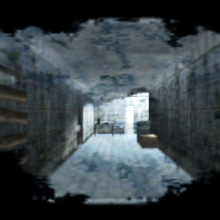
The setup is instantly creepy in a grounded way. Beneath your house sits an underground bunker, the kind of place you might brag about to friends in summer and fear in winter. It’s not a safe haven. It’s a labyrinth of supplies, shadows, and decisions. The game pushes you into that loop that makes survival games addictive: go down, gather what you can, get back up, eat, stay warm, repeat. Simple in theory. In practice? You’re balancing risk like you’re carrying a full pot of boiling water across an icy floor.
🕯️🧊 The Bunker Feels Like It’s Watching You
Exploring the underground bunker is where the game stops being “collect stuff” and becomes “manage nerves.” There’s a special kind of tension that comes from tight rooms and low visibility, where every step feels louder than it should. You’re hunting for food and useful supplies, and the bunker layout makes you think in routes instead of vibes. Which path gets you the most loot quickly? Which detour is worth it? Which corner will eat your time and leave you scrambling when you should be climbing back to safety?
And you’ll learn fast that bunker time is not the same as daylight time. The deeper you go, the easier it is to forget the sky is changing above you. You’ll get into a rhythm: open something, grab something, move on, repeat. Then you look up at the interface, realize the day is slipping away, and suddenly your calm turns into a hurried “okay okay okay” sprint back through corridors you swear are rearranging themselves. 🙃
The bunker is tempting because it’s the answer to your problems. Food is down there. Survival is down there. But it’s also the place where you can overstay by just a minute, and that minute turns into a night you weren’t prepared for. That’s what makes it feel tense without needing constant jump scares. The pressure is logical, and logic can be terrifying.
🥫🧤 Loot Greed Is the First Winter Illness
You’ll feel it every run: that greedy little thought that says, I can carry more. I can check one more room. I can grab just one more stash and then I’ll head up. And the game doesn’t punish you for having that thought. It punishes you for believing it. Because the real skill in Surviving Winter 1.0 is knowing when to stop. Survival isn’t just acquiring supplies, it’s returning with them. A backpack full of food means nothing if you don’t make it back to eat it.
That’s where the game quietly teaches discipline. You start thinking like a survivor instead of a looter. You’ll begin prioritizing what matters most right now. Food becomes precious, not in a dramatic “epic rarity” way, but in a humble “this keeps me alive another day” way. Warmth becomes a resource you manage like money. And every decision starts to sound like a question you ask yourself in a tired voice: Is this worth the risk? Do I need it today? Will this choice ruin tomorrow? 😬
It’s not complicated in controls, but it gets complicated in your head. Your brain starts building rules. Don’t go too deep late in the day. Don’t chase supplies when you’re already low. Always keep a return path clear. And then you break your own rules because you see something shiny in a corner and you convince yourself you’re built different. Winter loves that confidence. Winter feeds on it. ❄️😈
🔥🍲 Home Isn’t Cozy, It’s Maintenance
Getting back to the house isn’t the end of the challenge. It’s the part where you pay the bills. Food needs to be eaten, warmth needs to be maintained, and your resources need to last. This is where Surviving Winter 1.0 feels like a real survival loop: you’re not just collecting, you’re budgeting. The house becomes your fragile safety bubble, but it doesn’t magically protect you. You have to make it work.
There’s something oddly cinematic about that moment after a tense bunker run, when you return and the adrenaline falls off a cliff. You’re safe… for now. You eat. You stabilize. You breathe. And you can almost pretend the winter outside isn’t plotting. Almost. Because the next day will come, the next night will follow, and your supplies will shrink again. The game doesn’t let you “solve” winter. It makes you endure it.
And the best part is how personal that endurance feels. You’ll start remembering specific runs. The day you came back with barely enough food and promised yourself you’d play safer. The day you got cocky, stayed too long underground, and spent the night regretting every second. The day you finally found a route that felt efficient, like you’d learned the bunker’s language. 📍🧠
🌙🕰️ Nights That Feel Longer Than They Should
The nights in this game have a weight to them. Even if nothing dramatic happens, the darkness feels like pressure on your shoulders. It’s the idea that you’re vulnerable, that time is passing, that you’re consuming resources while doing “nothing,” which is a horrible feeling in any survival game. Night is when you feel how thin your margin is. You’re not building an empire. You’re holding a line.
This creates that special survival tension where you start planning ahead in a very human way. You don’t think in “levels,” you think in days. You don’t think in “winning,” you think in lasting. The question becomes: can I survive the whole winter? Not can I get a high score, not can I unlock a fancy skin. Can I keep going when the game keeps asking for more discipline than I want to give?
And yeah, you’ll have nights where you stare at your situation and think, I might not make it. That’s when the game is at its best. Not because it’s cruel, but because it feels honest. Winter doesn’t care if you’re tired. Winter doesn’t care if you’re frustrated. Winter just keeps arriving. ❄️🫠
🧭🥶 The Real Strategy Is Rhythm, Not Bravery
If you want Surviving Winter 1.0 to click, you stop playing it like a daring expedition and start playing it like a routine. A good run isn’t the one where you find everything in one trip. It’s the one where you return consistently with enough to keep the cycle alive. The game rewards a steady rhythm: short trips when time is tight, deeper trips when you can afford it, and a constant awareness that one greedy decision can erase several careful days.
You’ll start noticing how much your mindset matters. When you’re calm, you make better routes. When you’re rushed, you overcommit. When you’re frustrated, you gamble. The bunker loves when you gamble. The bunker smiles and quietly takes your time. So the trick becomes weirdly simple: breathe, plan, leave early, come back alive. It’s not glamorous. It’s survival. 🧤🔥
That’s why it works so well on Kiz10. It’s a survival challenge you can jump into quickly, but it leaves a lingering feeling like you’re mid-winter, mid-struggle, mid-story. One more day. One more trip. One more careful return. And if you mess up? You’ll restart, not because you have to, but you swear you can do it smarter this times. And maybe you can. That’s the hook. The winter is brutal, but your brain is stubborn. 😄❄️





 Share
Share
 Embed
Embed


