𝗙𝗢𝗥𝗪𝗔𝗥𝗗 🚀 𝗜𝗦 𝗧𝗛𝗘 𝗢𝗡𝗟𝗬 𝗗𝗜𝗥𝗘𝗖𝗧𝗜𝗢𝗡 𝗧𝗛𝗔𝗧 𝗠𝗔𝗧𝗧𝗘𝗥𝗦
Through the Horizon understands something very important about arcade space games: the best ones do not ask for permission. They throw you straight into motion, fill the route ahead with wreckage, danger, flashes of destruction, and just enough hope to make you think maybe this run will be the one. Then they increase the speed and test whether your reflexes were bluffing the whole time.
On Kiz10, this space runner game feels clean, immediate, and dangerously replayable. You are a lone pilot moving through endless cosmic chaos, dodging mines, weaving around debris, and collecting coins while the pace keeps climbing and the room for mistakes keeps shrinking. There is no cozy warm-up period where the game politely waits for your confidence to arrive. It gives you a ship, points you toward the horizon, and lets survival become your personal problem.
That is exactly why it works. Through the Horizon is built around pure forward pressure. The screen keeps moving, the threats keep coming, and every second you survive feels a little more impressive than the one before it.
𝗦𝗣𝗔𝗖𝗘 🌌 𝗟𝗢𝗢𝗞𝗦 𝗕𝗘𝗔𝗨𝗧𝗜𝗙𝗨𝗟 𝗨𝗡𝗧𝗜𝗟 𝗜𝗧 𝗦𝗧𝗔𝗥𝗧𝗦 𝗧𝗥𝗬𝗜𝗡𝗚 𝗧𝗢 𝗞𝗜𝗟𝗟 𝗬𝗢𝗨
What gives Through the Horizon its energy is the contrast between smooth movement and instant danger. The game looks sleek. The idea is simple. Fly forward, dodge hazards, grab coins, and keep going. But the actual experience is much tighter than that sounds. One mine in the wrong lane, one piece of debris you read too late, one moment of greed while chasing coins, and the run is over immediately. That instant-fail structure is the whole heartbeat of the game.
Because of that, every decision feels meaningful. Sliding left or right is not just movement. It is commitment. You are constantly choosing between safety and reward, between a cleaner path and a riskier coin line, between staying calm and letting the speed trick you into doing something stupid. And yes, the speed absolutely will try that.
That tension is what keeps the game addictive. A short run never feels empty, because you always know exactly why it ended. You saw the hazard too late. You drifted too far. You got greedy. The next attempt immediately starts forming in your head before the failure screen even has time to feel final.
𝗢𝗡𝗘 🎯 𝗖𝗥𝗔𝗦𝗛 𝗜𝗦 𝗔 𝗟𝗘𝗦𝗦𝗢𝗡, 𝗔𝗡𝗗 𝗔𝗟𝗦𝗢 𝗔 𝗟𝗜𝗧𝗧𝗟𝗘 𝗜𝗡𝗦𝗨𝗟𝗧
Through the Horizon is the kind of runner that teaches through impact. There is no long lecture about advanced flight discipline. The game lets the hazards explain things the hard way. You learn to read the flow of the track. You learn when a coin line is bait. You learn how much movement is enough and how much becomes overcorrection. And most importantly, you learn that the run does not care how good the previous run was.
That sounds harsh, but it is exactly what makes an endless runner satisfying. Improvement feels real because it comes from your own adaptation. You are not unlocking safety. You are earning it with sharper instincts. When you finally start surviving longer, collecting more coins, and moving through debris fields with cleaner rhythm, the progress feels completely yours.
That also gives the game a strong retry loop. Failure is quick, but so is restarting. There is almost no friction between defeat and another shot at beating your best. That is a dangerous little design trick, and Through the Horizon uses it very well.
𝗖𝗢𝗜𝗡𝗦 🪙 𝗧𝗨𝗥𝗡 𝗦𝗨𝗥𝗩𝗜𝗩𝗔𝗟 𝗜𝗡𝗧𝗢 𝗣𝗥𝗢𝗚𝗥𝗘𝗦𝗦
A big reason the game stays engaging is the coin system. Coins are not just score decoration floating in space to make your route look pretty. They feed your long-term progression by moving you toward new ships. That matters a lot in a game built around repetition. Surviving longer is satisfying on its own, but surviving longer while also building toward a new spacecraft gives each run more purpose.
This makes even imperfect attempts feel valuable. Maybe you did not beat your record. Maybe you got blown apart by a mine you definitely should have seen. Fine. But if you still came away with enough coins to move closer to another ship, the run was not wasted. That is great arcade design. It softens the frustration without making failure meaningless.
And because the ships come with different special abilities, unlocking them is more than a cosmetic reward. It adds curiosity. You are not just collecting new looks. You are collecting different ways to experience the same danger.
𝗦𝗛𝗜𝗣𝗦 🛸 𝗪𝗜𝗧𝗛 𝗦𝗣𝗘𝗖𝗜𝗔𝗟 𝗔𝗕𝗜𝗟𝗜𝗧𝗜𝗘𝗦 𝗞𝗘𝗘𝗣 𝗧𝗛𝗘 𝗥𝗨𝗡𝗦 𝗙𝗥𝗢𝗠 𝗙𝗘𝗘𝗟𝗜𝗡𝗚 𝗧𝗢𝗢 𝗦𝗜𝗠𝗜𝗟𝗔𝗥
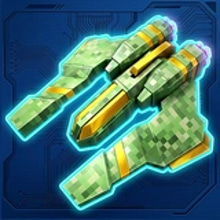
One of the smartest things in Through the Horizon is the idea that each spacecraft handles differently. That alone gives the game much more life than a simple one-ship endless runner. If every attempt used the exact same feel forever, the challenge would still be fun for a while, but the identity would flatten. Different ships solve that. They make progress tangible and experimentation worthwhile.
This also supports the game’s main theme beautifully. Find your rhythm. That is really what the game is about. Not just surviving in a generic sense, but finding the ship and flow that make survival feel natural for you. Some players will prefer a craft that feels nimble and reactive. Others might click better with something that supports a different pacing style. That variety gives the game a stronger relationship with the player. It stops being only about obstacle avoidance and starts being about how you want to face the obstacle stream.
That kind of personalization is especially effective in a runner, because the gameplay is already so tight. Even small differences in feel can change how the whole run is experienced.
𝗧𝗛𝗘 ⚠️ 𝗣𝗔𝗖𝗘 𝗜𝗦 𝗧𝗛𝗘 𝗥𝗘𝗔𝗟 𝗘𝗡𝗘𝗠𝗬
At first, the hazards are the obvious threat. Mines, debris, explosions, all the usual cosmic nonsense trying to end your flight. But after a little while, you realize the real enemy is acceleration. The faster the game gets, the less room your brain has to negotiate with itself. Doubt becomes slower than danger. Reactions have to become instinctive. That is where the best runs happen and where the most painful crashes happen too.
This rising speed is what gives Through the Horizon its arcade tension. A run is never static. It is always tightening, always pushing your focus, always asking whether you can keep the rhythm just a little longer. That constant escalation makes the game feel alive. A good early section does not guarantee anything later. The run keeps evolving, and you have to evolve with it.
That also means personal records feel meaningful. You are not just adding numbers to a scoreboard. You are proving you held your nerve deeper into the chaos than before.
𝗘𝗔𝗦𝗬 🎮 𝗖𝗢𝗡𝗧𝗥𝗢𝗟𝗦 𝗠𝗔𝗞𝗘 𝗧𝗛𝗘 𝗖𝗛𝗔𝗟𝗟𝗘𝗡𝗚𝗘 𝗙𝗘𝗘𝗟 𝗛𝗢𝗡𝗘𝗦𝗧
The controls are simple, and that is exactly what this kind of game needs. Arrow keys or A and D are enough to keep the movement immediate and readable. That simplicity means the challenge never hides behind input complexity. If you crash, you know why. If you survive, you earned it. The game keeps the focus exactly where it belongs: on timing, positioning, and staying calm while the screen becomes more dangerous every few seconds.
This is one of the reasons Through the Horizon feels so strong as a browser arcade game. You can jump in instantly, understand the rules in seconds, and still need real skill to push far into the run. That balance is hard to get right, but when a runner nails it, the result is extremely hard to stop replaying.
𝗪𝗛𝗬 ✨ 𝗧𝗛𝗥𝗢𝗨𝗚𝗛 𝗧𝗛𝗘 𝗛𝗢𝗥𝗜𝗭𝗢𝗡 𝗙𝗜𝗧𝗦 𝗞𝗜𝗭10
Through the Horizon fits Kiz10 perfectly because it combines the strongest parts of arcade browser design into one clean loop: easy controls, immediate tension, strong replay value, unlockable ships, and a clear score-chasing structure that always gives you a reason to try again. It does not waste time. It gets you into the run, tests you honestly, and rewards you just enough to make another attempt feel irresistible.
If you enjoy space runners, reflex games, endless survival challenges, and arcade titles where every crash feels like a lesson rather than pure bad luck, this one has a lot going for it. It is sleek, fast, and sharp in exactly the right way. No extra noise. Just a ship, a horizon, and a long series of terrible things waiting to happen if you blink at the wrong moment.





 2.5 (156 votes)
 Share
Share
 Embed
Embed