𝗧𝗛𝗥𝗢𝗪𝗜𝗡𝗚 𝗠𝗢𝗡𝗦𝗧𝗘𝗥𝗦 is the kind of game that looks cute for exactly three seconds… and then it turns into a full-time job for your aim, your patience, and that tiny voice in your head that keeps whispering “one more try, it was almost perfect.” On Kiz10, it hits you with a simple promise: pick up a ridiculous little creature, launch it, and get it where it needs to go. Easy. Except the level design has opinions. The physics have attitude. And your monster, while adorable, has absolutely no interest in landing politely. 👾😅
𝗟𝗔𝗨𝗡𝗖𝗛 𝗠𝗔𝗚𝗜𝗖 𝗔𝗡𝗗 𝗜𝗡𝗦𝗧𝗔𝗡𝗧 𝗥𝗘𝗚𝗥𝗘𝗧 🚀🎯😬
The core loop is pure satisfaction. You aim, you throw, you watch the arc… and for a split second you feel like a genius. Then the monster clips the corner of something it definitely shouldn’t touch, spins like a confused coin, and falls into the exact wrong place with the confidence of a professional mistake. That’s the charm. Throwing Monsters doesn’t need complicated controls to feel intense. It just needs the kind of physics where tiny changes create huge outcomes. A slightly higher angle and you clear the obstacle. A slightly lower angle and your monster becomes a tragic little meteor. 💥👾
What makes it addictive is how clear the feedback is. You don’t sit there wondering why you failed. You know. You see it. You feel it. You can replay the moment in your mind like a slow-motion highlight of your own bad decision. And because the next attempt takes seconds, your brain doesn’t even fully process disappointment before it’s already lining up the next shot. That’s classic Kiz10 energy: fast, repeatable, instantly readable, and dangerously replayable. 🔁😤
𝗧𝗛𝗘 𝗟𝗘𝗩𝗘𝗟𝗦 𝗔𝗥𝗘 𝗟𝗜𝗧𝗧𝗟𝗘 𝗣𝗛𝗬𝗦𝗜𝗖𝗦 𝗣𝗨𝗭𝗭𝗟𝗘𝗦 🧩🧲🌀
Under the chaos, this is basically a puzzle game wearing a monster costume. Each stage asks a question: what trajectory solves this mess? Sometimes the answer is a clean, direct throw. Sometimes it’s a bounce. Sometimes you need to thread a narrow window like you’re trying to toss a marshmallow through a keyhole. The fun is that you’re not just aiming at a target, you’re aiming at a sequence of events. Hit this surface, ricochet there, avoid that trap, land where it counts. It becomes this strange little science experiment where the “lab equipment” is your monster and your willingness to keep trying. 🧪👾
You’ll also notice how quickly you start thinking in weird, specific ways. “If I hit the left edge, it rotates clockwise.” “If I throw softer, it sticks the landing instead of bouncing.” “If I go too strong, it clears the gap but smashes into the ceiling like it’s offended by gravity.” You stop playing like a casual clicker and start playing like someone who’s quietly negotiating with the laws of motion. And yes, you will blame the laws of motion when it goes wrong. Totally fair. 😅📉
𝗠𝗢𝗡𝗦𝗧𝗘𝗥𝗦 𝗪𝗜𝗧𝗛 𝗣𝗘𝗥𝗦𝗢𝗡𝗔𝗟𝗜𝗧𝗬… 𝗔𝗡𝗗 𝗧𝗛𝗔𝗧 𝗣𝗘𝗥𝗦𝗢𝗡𝗔𝗟𝗜𝗧𝗬 𝗜𝗦 “𝗦𝗣𝗟𝗔𝗧” 👾💫😂
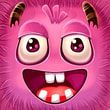
Part of the joy is the character of it all. Throwing Monsters isn’t trying to be serious. The creatures feel silly, expressive, and slightly doomed, like they signed up for this job without reading the contract. Watching them tumble, bounce, and recover (or not recover) gives the game a playful tone even when you’re failing repeatedly. It’s frustrating, but it’s the kind of frustration where you also laugh because the monster’s landing was so dramatically wrong it feels like slapstick comedy. 🤡💥
And that tone matters. In a physics-based throwing game, you can either make failure feel punishing… or you can make it feel funny. This game leans into the funny. You fail, you learn, you try again, and the monster keeps looking like it’s having the weirdest day of its life. That lightness is what keeps you going. Nobody wants a lecture from a cute monster. They want chaos with a smile. 😈🙂
𝗧𝗛𝗘 𝗧𝗘𝗡𝗦𝗜𝗢𝗡 𝗜𝗦 𝗜𝗡 𝗧𝗛𝗘 𝗟𝗜𝗧𝗧𝗟𝗘 𝗧𝗛𝗜𝗡𝗚𝗦 ⏱️🕳️👀
The best moments in Throwing Monsters are tiny. Not the huge launches, not the wild lucky bounces, but the controlled, deliberate shots where you barely adjust the angle and suddenly everything works. That’s when you feel real skill creeping in. You start to slow down. You stop panic-throwing. You take a breath, line it up, and release with intention. Then the monster flies exactly where you planned and you get that quiet satisfaction like “okay… yes… that’s the good stuff.” 😌✨
The game trains you to respect patience. If you rush, you overshoot. If you overcorrect, you bounce into trouble. If you keep changing your plan mid-shot (mentally screaming at the monster to behave), nothing improves. But if you treat each attempt like a data point, the game becomes easier without actually becoming easier. You become the upgrade. 🧠🔧
𝗖𝗛𝗔𝗢𝗦 𝗦𝗘𝗖𝗧𝗜𝗢𝗡: 𝗪𝗛𝗘𝗡 𝗬𝗢𝗨 𝗦𝗧𝗔𝗥𝗧 𝗧𝗔𝗟𝗞𝗜𝗡𝗚 𝗧𝗢 𝗧𝗛𝗘 𝗦𝗖𝗥𝗘𝗘𝗡 🤝👾😵💫
There’s a specific phase every player hits. You miss a few times, and then you start narrating. “No, not like that.” “That was perfect, why did you bounce?” “Please just land.” “Okay, I’m going to be gentle.” Then you throw gently and somehow it’s worse, and now you’re bargaining with an imaginary physics manager. This is normal. This is part of the experience. Throwing Monsters is the kind of game that makes you dramatic because it’s always just one tiny adjustment away from success, which is the most dangerous distance in gaming. 😭🎯
But that drama is also how it becomes memorable. You’ll remember the level that made you lose your mind. You’ll remember the shot that finally worked. You’ll remember the moment you did a ridiculous curved throw, expected failure, and watched it land perfectly like it was scripted. That’s the hook: unpredictable outcomes, but predictable improvement, and your hands gradually learning the language of the game. 👾📚
𝗧𝗜𝗣𝗦 𝗧𝗛𝗔𝗧 𝗙𝗘𝗘𝗟 𝗟𝗜𝗞𝗘 𝗖𝗛𝗘𝗔𝗧𝗜𝗡𝗚 (𝗕𝗨𝗧 𝗔𝗥𝗘𝗡’𝗧) 🧠🪄✅
If you want to get better fast, stop aiming at the target and start aiming at the path. Think about where the monster will be two bounces later, not where it is right after launch. Use softer throws when you need control and harder throws when you need momentum, but don’t mix those instincts in the same shot. Also, watch the edges. Most mistakes come from clipping corners, because corners turn a clean arc into a chaotic spin. If a level feels impossible, it usually isn’t. It’s just asking you to be calmer than you want to be. 😅😮💨
And here’s a sneaky trick: when you’re stuck, change one thing only. Angle or power, not both. Your brain wants to adjust everything at once, but then you can’t tell what improved. One small change per attempt turns frustration into progress. That sounds boring, but it feels amazing when the shot finally clicks. 🎯✨
𝗪𝗛𝗬 𝗧𝗛𝗥𝗢𝗪𝗜𝗡𝗚 𝗠𝗢𝗡𝗦𝗧𝗘𝗥𝗦 𝗙𝗜𝗧𝗦 𝗞𝗜𝗭𝟭𝟬 𝗦𝗢 𝗪𝗘𝗟𝗟 🕹️💥👾
This is exactly the kind of browser-friendly physics game that belongs on Kiz10: fast to start, easy to understand, hard to master, and built around satisfying retry loops. You can play for a minute and feel entertained, or you can fall into the “I’m going to perfect this” tunnel and suddenly you’re deeply invested in launching a tiny monster through a gap like it’s your life’s mission. It’s playful, chaotic, and skill-based in a way that sneaks up on you.
So if you like throwing games, physics puzzle games, or anything where a clean arc feels like a victory parade, Throwing Monsters is a perfect little storm. Just remember: the monster will do exactly what the physics say… not what your heart wants. 👾🌀💀






 4 (47 votes)
 Share
Share
 Embed
Embed