🔵 𝗢𝗡𝗘 𝗕𝗟𝗨𝗘 𝗦𝗢𝗟𝗗𝗜𝗘𝗥, 𝗔 𝗪𝗛𝗢𝗟𝗘 𝗟𝗢𝗧 𝗢𝗙 𝗥𝗘𝗗 𝗣𝗥𝗢𝗕𝗟𝗘𝗠𝗦
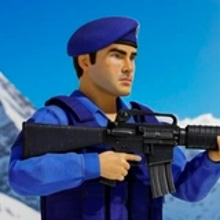
War of the Red and Blue Soldiers: Shooter takes a very simple idea and squeezes a lot of tension out of it. You are the blue fighter. The enemy is red. The world is stripped down, minimal, direct, and not remotely interested in wasting your time. You spawn into combat, get surrounded by hostile forces, and immediately understand the only thing that matters: stay alive long enough to shoot your way through the pressure.
That clean setup is exactly why the game works. This is an arcade shooter game in the purest sense. Move with purpose, fire quickly, switch weapons when the situation changes, and survive wave after wave of enemy pressure across multiple locations. It does not bury the action under huge menus, long tutorials, or unnecessary clutter. It just throws you into a battlefield and lets your reflexes explain the rest.
And honestly, that minimalist approach gives the game a lot of charm. Sometimes a shooter does not need realism, complex war politics, or twenty different systems layered on top of each other. Sometimes it just needs clear movement, readable enemies, fast combat, and the constant feeling that if you stop paying attention for half a second, the whole fight is going to collapse around you. That is the energy this game brings. Fast, stripped down, and surprisingly addictive.
🎯 𝗠𝗜𝗡𝗜𝗠𝗔𝗟𝗜𝗦𝗧 𝗗𝗘𝗦𝗜𝗚𝗡 𝗠𝗔𝗞𝗘𝗦 𝗘𝗩𝗘𝗥𝗬𝗧𝗛𝗜𝗡𝗚 𝗙𝗘𝗘𝗟 𝗙𝗔𝗦𝗧𝗘𝗥
One of the smartest things about War of the Red and Blue Soldiers: Shooter is how much it gains from staying visually simple. The red-versus-blue concept is immediately readable. You never have to wonder who the threat is. You never lose time decoding the scene. The battlefield speaks clearly: you are blue, they are red, and the next second probably involves bullets.
That clarity matters a lot in a browser shooting game. Fast action feels better when the visuals support fast decisions. Because the presentation is clean and minimal, the player can focus on what matters most: movement, aiming, positioning, and knowing when to switch weapons. That keeps the whole experience sharp. You are not fighting the interface or drowning in noise. You are reacting to combat.
It also gives the game a nice old-school feeling. There is something refreshing about a shooter that does not pretend it needs to be more complicated than it is. It knows the hook is simple combat pressure, and it commits to that. The result is a game that feels easy to enter and hard to casually walk away from once the rhythm starts working on your brain.
🔫 𝗪𝗘𝗔𝗣𝗢𝗡 𝗦𝗪𝗜𝗧𝗖𝗛𝗜𝗡𝗚 𝗚𝗜𝗩𝗘𝗦 𝗧𝗛𝗘 𝗖𝗢𝗠𝗕𝗔𝗧 𝗝𝗨𝗦𝗧 𝗘𝗡𝗢𝗨𝗚𝗛 𝗩𝗔𝗥𝗜𝗘𝗧𝗬
The controls tell you a lot about the game’s priorities. You move with WASD, shoot with the left mouse button, and swap weapons with the 1 and 2 keys. That alone makes the flow clear: this is a direct action shooter where weapon choice matters in the moment. You are not stuck with one answer to every fight. You need to adapt, and fast.
That little bit of variety does a lot of work. A shooter becomes more interesting the second the player has to think, even briefly, about which weapon fits the current danger best. One gun may feel better for quick pressure. Another may work better when enemies start grouping or closing distance. Even a small weapon system can make combat feel more tactical when the pace is fast enough.
And because the game is built around staying alive while surrounded, those choices feel meaningful. You are not calmly selecting loadouts in a quiet menu. You are making decisions while red enemies are actively trying to erase you from the map. That urgency gives weapon switching real weight. A smart swap can stabilize the fight. A slow one can turn into panic almost instantly.
🏃 𝗠𝗢𝗩𝗘𝗠𝗘𝗡𝗧 𝗜𝗦 𝗡𝗢𝗧 𝗝𝗨𝗦𝗧 𝗛𝗘𝗟𝗣𝗙𝗨𝗟, 𝗜𝗧 𝗜𝗦 𝗦𝗨𝗥𝗩𝗜𝗩𝗔𝗟
The best shooters always understand one basic truth: standing still is usually a bad idea. War of the Red and Blue Soldiers: Shooter seems built around that exact principle. The moment you are surrounded, movement becomes your real defense. Strafing, repositioning, avoiding open angles, and keeping enough space to react all become part of the fight.
That makes the game feel more dynamic than its simple concept might suggest. You are not just clicking targets in place. You are constantly trying to maintain a survivable rhythm. If you drift into a bad position, enemies can collapse on you fast. If you move too carelessly, you may ruin your own angle or waste a good chance to control the battlefield. So the game creates a nice balance between motion and discipline.
This is where the minimalist design helps again. Because the maps and visuals are easier to read, movement becomes intuitive. You start understanding which spaces are safer, which routes let you reset the fight, and which moments call for aggression instead of retreat. That kind of learning curve is one of the biggest reasons arcade shooters stay fun. They make you feel yourself getting sharper.
🌍 𝗗𝗜𝗙𝗙𝗘𝗥𝗘𝗡𝗧 𝗟𝗢𝗖𝗔𝗧𝗜𝗢𝗡𝗦 𝗞𝗘𝗘𝗣 𝗧𝗛𝗘 𝗦𝗛𝗢𝗢𝗧𝗢𝗨𝗧𝗦 𝗙𝗥𝗢𝗠 𝗙𝗘𝗘𝗟𝗜𝗡𝗚 𝗙𝗟𝗔𝗧
The game description emphasizes that you battle across various locations, and that matters more than it might seem. Multiple locations help a simple shooter stay fresh. Even when the core loop is straightforward, new surroundings can change the pressure. Different spaces mean different sightlines, different movement habits, and different ways for enemies to threaten you.
That variation is important because arcade shooters rely on repetition done well. You want the combat to feel familiar enough to be readable, but not so repetitive that every fight becomes identical. A change of location can refresh the entire mood. A tighter map creates more urgency. A more open one can shift the combat toward aiming and movement control. These differences keep the survival loop lively.
Even if the game stays mechanically simple, multiple maps give it breathing room. They turn the same basic objective, survive and shoot well, into slightly different problems. And shooters are always more satisfying when the maps contribute to the challenge instead of just sitting there.
💥 𝗧𝗛𝗘 𝗔𝗥𝗖𝗔𝗗𝗘 𝗥𝗛𝗬𝗧𝗛𝗠 𝗜𝗦 𝗪𝗛𝗔𝗧 𝗠𝗔𝗞𝗘𝗦 𝗜𝗧 𝗔𝗗𝗗𝗜𝗖𝗧𝗜𝗩𝗘
War of the Red and Blue Soldiers: Shooter feels like the kind of game that understands arcade rhythm very well. Start quickly. Threaten the player immediately. Keep the rules clear. Let failure come from pressure, not confusion. Then make restarting or continuing feel natural enough that one more attempt always sounds reasonable.
That style works especially well in browser action games. You do not need a giant setup to enjoy it. You just drop in and start fighting. The moment-to-moment appeal comes from how cleanly the game converts basic inputs into tension. Move, aim, shoot, switch, survive, repeat. It is a lean formula, but lean formulas can be powerful when the pacing is right.
The pause option on Tab is also a nice reminder that the game stays focused on desktop shooter accessibility. It gives you that quick in-and-out control arcade PC players expect, and it keeps the whole experience feeling easy to manage without breaking the flow.
🕹️ 𝗪𝗛𝗬 𝗪𝗔𝗥 𝗢𝗙 𝗧𝗛𝗘 𝗥𝗘𝗗 𝗔𝗡𝗗 𝗕𝗟𝗨𝗘 𝗦𝗢𝗟𝗗𝗜𝗘𝗥𝗦: 𝗦𝗛𝗢𝗢𝗧𝗘𝗥 𝗙𝗜𝗧𝗦 𝗞𝗜𝗭𝟭𝟬 𝗦𝗢 𝗪𝗘𝗟𝗟
Kiz10 already has a strong group of red-vs-blue and arena-style shooters, including Battle of the Soldiers: Red vs Blue, Red vs Blue: Front Line Online, Arena Shooter, and larger team battle titles like Reds vs Blues: War. That makes War of the Red and Blue Soldiers: Shooter feel right at home on the site.
If you enjoy minimalist shooters, red-vs-blue battle setups, fast browser action, and survival gunplay where readability and reflexes matter more than complexity, this one is easy to recommend. It keeps things clean, quick, and tense in a way that suits Kiz10’s shooter audience perfectly.
Stay moving. Swap weapons smartly. Keep the red army off your screen for one more second than they planned. That is the whole thrill of War of the Red and Blue Soldiers: Shooter.







 Share
Share
 Embed
Embed


