🏕️ 𝗧𝗛𝗘 𝗪𝗜𝗟𝗗 𝗗𝗢𝗘𝗦 𝗡𝗢𝗧 𝗖𝗔𝗥𝗘 𝗜𝗙 𝗬𝗢𝗨 𝗔𝗥𝗘 𝗥𝗘𝗔𝗗𝗬
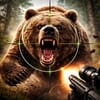
Wild Hunt 3D is the kind of hunting game that tries to make the outdoors feel large, dangerous, and worth respecting. From the first moments, it pushes the player into broad natural spaces where patience matters just as much as aim. This is not a small shooting gallery wearing camouflage. It is a hunting simulation built around tracking, positioning, weapon choice, and the constant awareness that the animals you are chasing are part of a world that can turn against you very quickly.
That is what gives the game its strongest appeal. It is not only about pulling the trigger. It is about how you get to the moment when pulling the trigger actually matters. You move through forests, frozen mountains, and open plains looking for signs, deciding when to stay back, when to move closer, and when to commit to the shot. That build-up is where a hunting game earns its tension, and Wild Hunt 3D clearly leans into it.
🎯 𝗔 𝗚𝗢𝗢𝗗 𝗛𝗨𝗡𝗧 𝗜𝗦 𝗡𝗢𝗧 𝗔𝗕𝗢𝗨𝗧 𝗦𝗣𝗘𝗘𝗗, 𝗜𝗧 𝗜𝗦 𝗔𝗕𝗢𝗨𝗧 𝗖𝗢𝗡𝗧𝗥𝗢𝗟
One of the best things about Wild Hunt 3D is how much it depends on calm decision-making. A lot of shooting games reward panic and volume. Hunting games work better when they reward restraint, and this one seems to understand that. You are not supposed to rush every encounter. You are supposed to observe, line up the right shot, and avoid turning the whole hunt into a sloppy chase.
That makes the experience feel much more deliberate. Every movement through the environment carries a little weight. Every missed shot matters more because it can send the animal running or trigger something worse. The game seems to want that pressure. It wants the player to feel the difference between a clean hit and a bad decision. That is why the overall pace works. Even when nothing dramatic is happening, the possibility of something going wrong keeps the tension alive.
🦌 𝗛𝗨𝗡𝗧𝗜𝗡𝗚 𝗙𝗘𝗘𝗟𝗦 𝗕𝗘𝗧𝗧𝗘𝗥 𝗪𝗛𝗘𝗡 𝗧𝗛𝗘 𝗪𝗢𝗥𝗟𝗗 𝗙𝗘𝗘𝗟𝗦 𝗟𝗜𝗞𝗘 𝗔 𝗪𝗢𝗥𝗟𝗗
A big part of the atmosphere comes from the variety of environments. Thick forests create one kind of pressure. Snowy mountains create another. Wide plains change the whole rhythm again. That variety matters because hunting games become much more immersive when each location asks the player to behave differently. Dense cover makes stealth more important. Open terrain makes distance and line of sight matter more. A cold mountain setting naturally feels harsher than a green wooded area. The hunt changes with the land, and that is exactly how it should feel.
This also helps the game stay fresh over time. The player is not only repeating one scenic shooting mission again and again. The environments keep shifting the mood. One mission might feel patient and quiet. Another might feel exposed and dangerous. Another might make movement itself the challenge before you even get near the target. That change in tone gives the whole game better range.
🔫 𝗧𝗛𝗘 𝗪𝗘𝗔𝗣𝗢𝗡𝗦 𝗚𝗜𝗩𝗘 𝗬𝗢𝗨 𝗗𝗜𝗙𝗙𝗘𝗥𝗘𝗡𝗧 𝗪𝗔𝗬𝗦 𝗧𝗢 𝗕𝗘 𝗦𝗠𝗔𝗥𝗧 𝗢𝗥 𝗥𝗘𝗖𝗞𝗟𝗘𝗦𝗦
Wild Hunt 3D clearly wants the player to think about hunting style, not just target count. The choice between long-range precision and closer aggressive hunting changes how each encounter feels. A distant shot rewards patience and confidence. A closer approach creates more urgency and more risk. The fact that the game supports both styles gives it more personality. It lets the player decide what kind of hunter they want to be.
That matters because equipment in games like this should feel like more than decoration. A stronger weapon or better gear should change how you approach the next hunt. It should create new options. It should make you think differently about where to position yourself and when to fire. When a hunting game gets that right, progression feels meaningful because it changes behavior, not just numbers.
🫀 𝗧𝗛𝗘 𝗧𝗔𝗥𝗚𝗘𝗧𝗜𝗡𝗚 𝗦𝗬𝗦𝗧𝗘𝗠 𝗠𝗔𝗞𝗘𝗦 𝗣𝗥𝗘𝗖𝗜𝗦𝗜𝗢𝗡 𝗙𝗘𝗘𝗟 𝗜𝗠𝗣𝗢𝗥𝗧𝗔𝗡𝗧
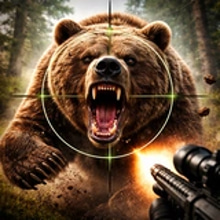
A special targeting system that highlights vital organs is a very effective mechanic in this kind of game because it turns a normal shot into a more deliberate one. You are not only aiming at the animal. You are trying to make the shot count in the most efficient way possible. That instantly adds tension and satisfaction. A perfect hit feels cleaner, smarter, and much more rewarding than a wild hit that only creates a mess.
It also supports the simulation feel very well. Hunting should not feel random. It should feel considered. The more the player has reason to think carefully about placement, the stronger the whole hunting fantasy becomes. That is why the vital-target system is such a good fit here. It makes patience more rewarding and sloppy aim more obviously costly.
⚠️ 𝗜𝗡𝗝𝗨𝗥𝗘𝗗 𝗔𝗡𝗜𝗠𝗔𝗟𝗦 𝗠𝗔𝗞𝗘 𝗧𝗛𝗘 𝗚𝗔𝗠𝗘 𝗠𝗢𝗥𝗘 𝗧𝗘𝗡𝗦𝗘
One of the more interesting details is that wounded animals can fight back. That changes the tone immediately. A missed perfect shot is not just an inconvenience. It can become danger. That is a smart design choice because it makes the hunt feel less passive. The player is not always the only threat in the scene. Bad execution can create consequences fast.
This is where the game becomes more than a scenic shooting simulator. It asks you to respect the target. If you take a poor shot, the situation may get worse instead of better. That creates much stronger tension in every encounter because there is always a little more at stake than simply missing points or wasting ammo. A hunting game becomes more memorable when mistakes feel physical and immediate, and this system helps a lot with that.
🍖 𝗦𝗨𝗥𝗩𝗜𝗩𝗔𝗟 𝗔𝗡𝗗 𝗥𝗘𝗦𝗢𝗨𝗥𝗖𝗘 𝗚𝗔𝗧𝗛𝗘𝗥𝗜𝗡𝗚 𝗚𝗜𝗩𝗘 𝗧𝗛𝗘 𝗪𝗢𝗥𝗟𝗗 𝗠𝗢𝗥𝗘 𝗪𝗘𝗜𝗚𝗛𝗧
Wild Hunt 3D becomes more interesting because it is not only about shooting animals and moving on. Gathering resources, preparing meals, selling what you bring back, and improving the camp all help make the world feel more connected. The hunt feeds the rest of the experience. That is a big advantage. It turns each outing into part of a larger cycle instead of a disconnected level.
The camp upgrades matter for the same reason. They give progress a home. The stronger your gear becomes, the more the whole hunting life feels like it is growing around you. That kind of loop is satisfying because it lets the player feel that today’s careful mission directly improves tomorrow’s possibilities.
🚚 𝗩𝗘𝗛𝗜𝗖𝗟𝗘𝗦 𝗠𝗔𝗞𝗘 𝗧𝗛𝗘 𝗪𝗢𝗥𝗟𝗗 𝗙𝗘𝗘𝗟 𝗕𝗜𝗚𝗚𝗘𝗥
The addition of vehicles is a nice touch because large maps benefit a lot from giving the player faster ways to cross distance. A truck suggests practicality and reach. A sports car adds a slightly more playful edge. Either way, vehicles help the game’s world feel broad enough to justify exploration. You are not trapped in tiny encounter zones. You are moving across a hunting landscape that seems to have real scale.
That also helps the pacing. Travel between hunts becomes part of the overall experience instead of just dead time. It makes the wilderness feel like something you navigate, not just something you enter briefly for one shot.
🏆 𝗪𝗛𝗬 𝗪𝗜𝗟𝗗 𝗛𝗨𝗡𝗧 𝟯𝗗 𝗪𝗢𝗥𝗞𝗦 𝗦𝗢 𝗪𝗘𝗟𝗟 𝗢𝗡 𝗞𝗜𝗭𝟭𝟬
On Kiz10, Wild Hunt 3D fits very naturally for players who enjoy hunting simulators, long-range shooting, animal tracking, survival-flavored resource loops, and open natural environments. It has the right mix of patience, tension, progression, and scenic exploration to work well as a browser hunting game.
If you like games where the shot matters but everything leading up to the shot matters too, Wild Hunt 3D is a strong fit on Kiz10.com. It offers a broader hunting fantasy than a basic sniper level game by giving the player missions, camp growth, vehicle travel, resource gathering, and a world that feels big enough to get lost in for a while.







 2.5 (151 votes)
 Share
Share
 Embed
Embed