🧘 𝗖𝗔𝗟𝗠 𝗠𝗜𝗡𝗗, 𝗣𝗔𝗡𝗜𝗖𝗞𝗜𝗡𝗚 𝗟𝗘𝗚𝗦
Yoga Master has a funny way of using the word yoga. You see the title and maybe expect something peaceful, slow, centered, maybe a little spiritual. Then the level begins and suddenly you are swiping like your life depends on it, trying to bend your runner into the correct pose before a chair, table, or random piece of furniture turns the whole calm wellness fantasy into a full-body disaster. It is great.
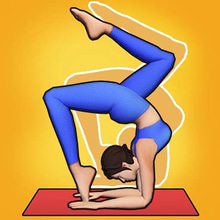
This is a 3D running game with reflex-based gameplay, but the yoga theme gives it a different flavor from ordinary obstacle runners. You are not just dodging left and right or jumping over barriers. You are adjusting poses on the move, shaping your character in real time so they can slide through danger without crashing into it. That single mechanic changes everything. It makes the game feel strange, playful, and just difficult enough to keep your brain fully awake.
On Kiz10, Yoga Master works because it takes a very simple idea and gives it a weird twist. The result is a casual game that feels easy to understand in seconds, but much harder to master once the speed rises and the furniture starts looking personal.
🏃 𝗥𝗨𝗡 𝗙𝗔𝗦𝗧, 𝗦𝗧𝗥𝗘𝗧𝗖𝗛 𝗙𝗔𝗦𝗧𝗘𝗥
At its core, Yoga Master is about reaction speed. The level starts, your character moves forward, and obstacles begin appearing in ways that demand quick adjustments. Swipe, reposition, hold the shape, survive. That is the rhythm. It sounds clean on paper. In motion, it becomes a lovely little mess of timing, instinct, and mild desperation.
The clever part is that the obstacle system does not rely only on movement through space. It also relies on body shape. That means every section feels more active than a basic runner. You are not merely avoiding something. You are adapting to it. You have to read the gap, understand the pose needed, and make the correction quickly enough to pass through cleanly. When it works, it feels smart. When it fails, it usually fails in a way that makes you immediately want another try.
That retry energy matters. Yoga Master has the structure of a game that is easy to restart and hard to ignore. One awkward hit turns into, okay, I can do that cleaner. Then one more level becomes three. Then suddenly you care a lot about whether your virtual yoga athlete can survive a sofa-shaped trap with dignity.
🪑 𝗙𝗨𝗥𝗡𝗜𝗧𝗨𝗥𝗘 𝗜𝗦 𝗡𝗢𝗪 𝗬𝗢𝗨𝗥 𝗡𝗔𝗧𝗨𝗥𝗔𝗟 𝗘𝗡𝗘𝗠𝗬
There is something deeply amusing about the obstacle design in Yoga Master. Most reflex games go with spikes, pits, lasers, giant saw blades, or something equally dramatic. This one takes a more domestic approach. Furniture becomes the threat. Suddenly chairs feel aggressive. Tables feel judgmental. A couch can ruin your entire run. It gives the game a silly personality that helps it stand out.
This is important because tone matters in casual browser games. Yoga Master is challenging, yes, but it never feels heavy. The concept keeps things playful. The contrast between graceful yoga poses and frantic obstacle avoidance gives the whole experience a slightly ridiculous charm. You are trying to achieve harmony while sprinting toward living room hazards. That is not traditional meditation, but it is memorable.
And because the obstacles depend on posture rather than just direction, the challenge feels fresh. You cannot always rely on the same reflex. Sometimes you need a compact shape. Sometimes you need to stretch differently. Sometimes your brain understands the obstacle a fraction too late and your character smacks into it like a cautionary tale. The variety keeps the levels from blending together.
🌀 𝗧𝗛𝗘 𝗕𝗘𝗦𝗧 𝗠𝗢𝗠𝗘𝗡𝗧𝗦 𝗔𝗥𝗘 𝗧𝗛𝗘 𝗢𝗡𝗘𝗦 𝗬𝗢𝗨 𝗕𝗔𝗥𝗘𝗟𝗬 𝗦𝗨𝗥𝗩𝗜𝗩𝗘
A game like Yoga Master lives and dies on feel. The mechanic has to be simple enough to click quickly, but satisfying enough to make near-misses exciting. Fortunately, that part works well. There is a real pleasure in squeezing through a tight obstacle with the right pose at the last possible second. It creates that tiny burst of relief and pride that arcade games thrive on.
Those moments are what make the game sticky. A clean run feels smooth and impressive. A messy run still has comedy. And the space in between, where you almost fail but somehow make it through, is where Yoga Master becomes most entertaining. It keeps dangling that little “you can do better” feeling in front of the player.
That is also why the yoga theme helps. Posing adds a visual payoff to success. You are not just crossing a finish line. You are shaping movement. The character’s body becomes part of the puzzle, and that makes each dodge feel more expressive than a standard tap-to-jump formula.
📱 𝗘𝗔𝗦𝗬 𝗖𝗢𝗡𝗧𝗥𝗢𝗟𝗦, 𝗙𝗔𝗦𝗧 𝗟𝗘𝗩𝗘𝗟𝗦, 𝗤𝗨𝗜𝗖𝗞 𝗢𝗕𝗦𝗘𝗦𝗦𝗜𝗢𝗡
Yoga Master benefits a lot from being easy to control. Tap or swipe to start, swipe to move, adjust the pose, avoid getting hit. That is pretty much the language of the whole game. It does not waste time. You understand the rules almost immediately, which is exactly what a casual reflex game should aim for.
Because the controls are so direct, the challenge stays focused on reading the level rather than fighting the interface. That makes it a strong mobile-style experience in the browser. It is accessible, quick, and ideal for short sessions. Of course, short sessions tend to become longer when the game keeps feeding you that one-more-level energy. Reflex games are sneaky like that.
It also helps that the visual concept is instantly readable. You see the obstacle. You understand the danger. You react. Even when things get faster, the basic communication stays clear. That is a huge advantage in this genre.
😄 𝗪𝗛𝗬 𝗬𝗢𝗚𝗔 𝗠𝗔𝗦𝗧𝗘𝗥 𝗙𝗘𝗘𝗟𝗦 𝗗𝗜𝗙𝗙𝗘𝗥𝗘𝗡𝗧
What makes Yoga Master more memorable than a lot of simple running games is that it has an actual gimmick worth remembering. Plenty of endless runners and reflex games exist. Fewer ask you to dodge furniture by adjusting yoga poses in motion. That is weird enough to be fun, but not so weird that it becomes confusing.
It also creates a nice blend of styles. Part runner. Part reflex challenge. Part body-shape puzzle. That mixture gives the gameplay a little more character than the usual lane-switching formula. You are still reacting quickly, but the reaction has form to it. You are solving a physical shape problem at speed, and that feels surprisingly fresh.
For players who enjoy casual games that are simple, visual, and slightly absurd, Yoga Master hits a nice balance. It is lighthearted, but not mindless. It is easy to start, but still demanding once the levels speed up. And it has enough personality to stick in your head after a few rounds.
🏁 𝗔 𝗥𝗨𝗡𝗡𝗜𝗡𝗚 𝗚𝗔𝗠𝗘 𝗪𝗜𝗧𝗛 𝗙𝗟𝗘𝗫𝗜𝗕𝗟𝗘 𝗜𝗗𝗘𝗔𝗦
Yoga Master is a fun pick on Kiz10 for players who like running games, reaction challenges, and puzzle-like obstacle dodging with a silly twist. The concept is clean, the levels are fast, and the pose mechanic gives the whole game its own identity. Instead of jumping over danger, you shape yourself around it. That one change makes the gameplay feel much more alive.
If you want a browser game that is quick to learn, funny to watch, and surprisingly tense once the pace picks up, this one does the job. Just remember: inner peace is nice, but in Yoga Master, what really matters is not crashing into the furniture before the finish line. Enlightenment can wait. 🧘✨



 2.5 (183 votes)
 Share
Share
 Embed
Embed