🧠 𝗔 𝗣𝗨𝗭𝗭𝗟𝗘 𝗚𝗔𝗠𝗘 𝗧𝗛𝗔𝗧 𝗔𝗦𝗞𝗦 𝗬𝗢𝗨 𝗧𝗢 𝗧𝗛𝗜𝗡𝗞 𝗔 𝗟𝗜𝗧𝗧𝗟𝗘 𝗗𝗜𝗙𝗙𝗘𝗥𝗘𝗡𝗧
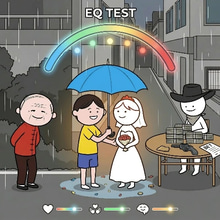
EQ Test Puzzle is not just about making pieces fit. That would be too easy, too ordinary, too emotionally safe. Instead, it mixes classic puzzle-solving with emotion recognition, which gives the whole experience a different texture from a regular jigsaw game. You are not only looking at shapes and empty spaces. You are also paying attention to expressions, moods, colors, and small visual clues that hint at how each level wants to be understood. That tiny twist changes the rhythm of the game more than you might expect.
At first, the idea feels simple. Pick a difficulty, enter a level, drag pieces into place, rotate them when necessary, and clear the puzzle. Straightforward enough. Then the emotional layer starts doing its work. A face, a symbol, a color cue, a keyword — suddenly the level is asking you to read more than geometry. It wants you to notice feeling, not just form. That is what gives EQ Test Puzzle its identity. It turns a familiar puzzle setup into something slightly more thoughtful, like a brain teaser that also wants you to pay attention to human emotion instead of just pattern recognition.
On Kiz10, that makes it a nice fit for players who want a calm puzzle game with a bit more personality than the average drag-and-drop challenge.
😊 𝗘𝗠𝗢𝗧𝗜𝗢𝗡 𝗥𝗘𝗖𝗢𝗚𝗡𝗜𝗧𝗜𝗢𝗡 𝗠𝗔𝗞𝗘𝗦 𝗧𝗛𝗘 𝗣𝗨𝗭𝗭𝗟𝗘 𝗙𝗘𝗘𝗟 𝗦𝗠𝗔𝗥𝗧𝗘𝗥
The most interesting thing about EQ Test Puzzle is that it builds its challenge around emotional awareness as well as spatial logic. That sounds very polite and educational, and yes, it is a little bit of that. But it is also a genuinely clever mechanic. Instead of treating every puzzle like a cold arrangement of pieces, the game asks you to connect what you see with how it feels. Which expression fits? Which color belongs to the mood of the level? Which piece makes sense when the emotional clue is part of the solution?
That creates a different kind of attention. In a normal jigsaw game, your brain looks for edges, shapes, and image fragments. Here, your brain also starts watching for mood. A happy icon feels different from an anxious one. A warm tone suggests one direction, a colder feeling another. The game quietly pushes you to read those signals, and that gives the puzzle a softer, more human angle.
It is a nice idea because it makes the challenge feel less mechanical. You are still solving a visual problem, but you are doing it through interpretation as much as assembly. That makes even simple levels feel a little more alive.
🧩 𝗗𝗥𝗔𝗚, 𝗥𝗢𝗧𝗔𝗧𝗘, 𝗥𝗘𝗔𝗗 𝗧𝗛𝗘 𝗖𝗟𝗨𝗘𝗦, 𝗧𝗥𝗬 𝗡𝗢𝗧 𝗧𝗢 𝗢𝗩𝗘𝗥𝗧𝗛𝗜𝗡𝗞
The actual gameplay loop is easy to understand, which helps a lot. You choose the difficulty, start a level, drag pieces into empty spaces, rotate them when needed, and use the hint button if you get stuck. That clarity matters. A game built around recognition and thought should not bury itself under awkward controls, and EQ Test Puzzle wisely keeps things direct.
Because the interaction is so simple, the focus stays on the puzzle itself. You are not fighting the interface. You are reading the board, testing placements, and deciding whether a piece belongs where you think it does. Sometimes the answer arrives immediately. Sometimes you stare at the screen for a second longer than you would like, convinced the puzzle is being dramatic on purpose. Then one small adjustment makes everything click and suddenly you feel clever again.
The rotation mechanic adds just enough extra friction to keep the levels from becoming too easy. It is not enough to find the right piece. You also need to orient it correctly. That keeps your hands active and your brain engaged, especially once the board gets more crowded and the emotional clue is pulling part of your attention away from pure shape-matching.
🎨 𝗖𝗢𝗟𝗢𝗥, 𝗘𝗫𝗣𝗥𝗘𝗦𝗦𝗜𝗢𝗡, 𝗔𝗡𝗗 𝗧𝗛𝗔𝗧 𝗟𝗜𝗧𝗧𝗟𝗘 𝗦𝗘𝗖𝗢𝗡𝗗 𝗢𝗙 𝗥𝗘𝗖𝗢𝗚𝗡𝗜𝗧𝗜𝗢𝗡
One reason the game feels fresh is that its clues are visual in more than one way. A level’s emotion may be suggested by a color, an expression, or a keyword, so the puzzle becomes a small act of reading context. That is a good fit for a casual browser game because it adds depth without demanding anything too heavy. You are still playing a relaxing puzzle. The difference is that the puzzle occasionally asks, “Are you actually noticing what this image is saying?”
That moment of recognition is satisfying. You see a face or symbol, understand the mood, and suddenly a piece that looked random starts making sense. That sort of payoff is subtle, but it makes the game feel more thoughtful than a standard jigsaw. It is not trying to be loud or flashy. It is trying to make you notice.
And there is something nice about a puzzle game that rewards attention in a slightly softer way. Not every challenge needs explosions, timers, or disaster music. Sometimes it is enough to quietly hand the player a problem and let the solution emerge piece by piece.
💡 𝗧𝗛𝗘 𝗛𝗜𝗡𝗧 𝗕𝗨𝗧𝗧𝗢𝗡 𝗜𝗦 𝗡𝗢𝗧 𝗖𝗛𝗘𝗔𝗧𝗜𝗡𝗚, 𝗜𝗧 𝗜𝗦 𝗘𝗠𝗢𝗧𝗜𝗢𝗡𝗔𝗟 𝗦𝗨𝗣𝗣𝗢𝗥𝗧
It also helps that EQ Test Puzzle does not trap the player in frustration for too long. The hint button is a smart addition, especially in a game where the challenge comes from both shape logic and emotional reading. Sometimes the missing step is obvious in hindsight, but not in the moment. A small nudge keeps the pace friendly and prevents the whole experience from turning into a stubborn staring contest.
That makes the game approachable for a wider range of players. You do not need to be a puzzle master to enjoy it. You can play casually, use hints when necessary, and still feel the pleasure of figuring things out. The game stays welcoming, which is exactly what this genre needs when it tries something slightly different.
The difficulty selection helps too. Some players want a lighter, calmer session. Others want more complexity. Giving that choice at the start makes the game easier to recommend because it can meet different moods.
🌈 𝗪𝗛𝗬 𝗘𝗤 𝗧𝗘𝗦𝗧 𝗣𝗨𝗭𝗭𝗟𝗘 𝗙𝗘𝗘𝗟𝗦 𝗔 𝗕𝗜𝗧 𝗗𝗜𝗙𝗙𝗘𝗥𝗘𝗡𝗧
A lot of browser puzzle games focus on speed, strict logic, or increasingly chaotic challenge. EQ Test Puzzle goes in a gentler direction. It still wants you to think, but it wants you to think with a mix of observation and emotional recognition. That makes it feel a little more reflective, a little more curious, and a little less robotic than the usual piece-fitting formula.
It is also just pleasant to play. The structure is familiar enough to be comfortable, but the emotion theme gives it a small identity boost. You are not only solving an image. You are interpreting it. That makes the game more memorable than it would be if it were just another generic jigsaw with rotating pieces.
For players who enjoy brain games, jigsaw games, and visual puzzles with a more original idea behind them, this one has a nice charm. It is simple, but not empty. Thoughtful, but not heavy. Calm, but not boring.
🏁 𝗣𝗨𝗭𝗭𝗟𝗘𝗦 𝗪𝗜𝗧𝗛 𝗔 𝗟𝗜𝗧𝗧𝗟𝗘 𝗠𝗢𝗥𝗘 𝗛𝗘𝗔𝗥𝗧
EQ Test Puzzle works because it takes a classic puzzle structure and adds a human layer to it. Matching pieces is already satisfying. Matching pieces while paying attention to emotion, expression, and mood gives the game its own quiet personality. It becomes more than a fitting exercise. It becomes a small test of awareness too.
On Kiz10, it is a strong choice for players who like puzzle games that are relaxing, visual, and just different enough to stand out. Drag the pieces, rotate carefully, read the clues, and trust your instincts. In EQ Test Puzzle, the right answer is not only about shape. Sometimes it is also about feeling what the level is trying to tell you. 🧠✨





 Share
Share
 Embed
Embed