𝗧𝗛𝗘 𝗥𝗢𝗔𝗗 𝗗𝗢𝗘𝗦 𝗡𝗢𝗧 𝗖𝗔𝗥𝗘 𝗔𝗕𝗢𝗨𝗧 𝗬𝗢𝗨𝗥 𝗣𝗟𝗔𝗡𝗦 🚦🧠
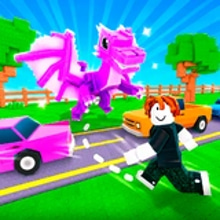
Robby: Cross the Road for Brainrot is the kind of game that takes a very simple idea, crossing the road without getting flattened, and then feeds it enough speed, upgrades, weird collectible energy, and just a little menace to make it weirdly impossible to stop playing. At first, it feels harmless. You move with WASD, weave between traffic, grab a Brainrot, bring it back, and think, “Okay, I get it.” Then the cars start feeling faster, the distances start getting longer, and suddenly you are fully locked into the tiny drama of surviving one more lane, grabbing one more Brainrot, and dragging your progress a little farther than last time.
That is the fun of it. This is not just a crossing game. It is a progression game hiding inside road chaos. Every successful trip helps your base grow. Every Brainrot you carry back matters. Every upgrade changes the pace of the next run. It turns what could have been a one-joke arcade challenge into something with real momentum. The further you go, the more the whole world starts responding to your growth.
And yes, it absolutely has that dangerous “one more try” feeling. Especially after a bad hit. Especially after a close escape. Especially after you realize the next upgrade might be the one that makes the whole road finally behave. It will not. But you will believe it.
𝗖𝗥𝗢𝗦𝗦𝗜𝗡𝗚 𝗧𝗛𝗘 𝗥𝗢𝗔𝗗 𝗜𝗦 𝗘𝗔𝗦𝗬. 𝗖𝗥𝗢𝗦𝗦𝗜𝗡𝗚 𝗜𝗧 𝗪𝗛𝗜𝗟𝗘 𝗚𝗥𝗘𝗘𝗗𝗬 𝗜𝗦 𝗧𝗛𝗘 𝗥𝗘𝗔𝗟 𝗚𝗔𝗠𝗘 🚗
The basic loop is easy to understand right away. Move through traffic, collect Brainrots, get back to base, and use them to build up your progress. That simplicity is one of the game’s biggest strengths. It does not waste time overexplaining itself. It throws you onto the road and lets the danger explain the rest. Cars are fast. Timing matters. Hesitation can save you or ruin you. Confidence is useful, but overconfidence is usually how you get turned into a flat lesson.
The clever part is how the Brainrots change the mood of the crossing. If all you had to do was survive lanes, the game would already be entertaining for a while. But the second you put a reward on the other side, everything becomes more tempting and more stressful. You start taking slightly worse risks. You wait a little longer for a better opening. You cut across a lane you probably should have respected more. And that tiny shift in behavior is where the game gets its teeth.
A clean crossing feels great. A clean crossing with a Brainrot in your hands feels even better. That is the difference. You are not just staying alive. You are making each trip count.
𝗕𝗥𝗔𝗜𝗡𝗥𝗢𝗧𝗦 𝗔𝗥𝗘 𝗠𝗢𝗥𝗘 𝗧𝗛𝗔𝗡 𝗖𝗢𝗟𝗟𝗘𝗖𝗧𝗜𝗕𝗟𝗘𝗦. 𝗧𝗛𝗘𝗬 𝗔𝗥𝗘 𝗬𝗢𝗨𝗥 𝗠𝗢𝗧𝗢𝗥 🏁
What makes Robby: Cross the Road for Brainrot much more addictive than a basic crossing challenge is that the Brainrots actually matter. You are not picking them up just to feel busy. They feed the whole progression system. Bring them back to base, fill your slots, improve your setup, and suddenly the next run becomes more interesting. More speed. More control. Less brutal traffic. More distance. Better results. The loop stays alive because every trip forward improves what comes next.
That is a very smart design choice. It means the game always feels productive. Even a short, messy run can still matter if you bring something valuable home. That keeps failure from feeling empty. A near-miss still teaches you the road. A successful return still fuels your upgrades. You are never really standing still unless you panic in the middle of a lane, which, to be fair, is also very possible.
And once the base starts growing, the whole game changes emotionally. Early on, each Brainrot feels like a small prize. Later, they feel like fuel for a bigger machine. You stop thinking in single trips and start thinking in systems. How fast can I build. How many slots can I unlock. How much safer can I make the road. That transformation is one of the best parts of the game.
𝗧𝗛𝗘 𝗕𝗔𝗦𝗘 𝗜𝗦 𝗡𝗢𝗧 𝗝𝗨𝗦𝗧 𝗔 𝗛𝗢𝗠𝗘. 𝗜𝗧 𝗜𝗦 𝗬𝗢𝗨𝗥 𝗦𝗣𝗘𝗘𝗗 𝗙𝗔𝗖𝗧𝗢𝗥𝗬 ⚙️💨
The base upgrade system gives Robby: Cross the Road for Brainrot its long-term hook. The more you improve it, the more the game starts opening up. New slots let you hold more Brainrots. More Brainrots mean better returns. Better returns mean stronger progression. That sort of structure is always satisfying when it is done well, and here it fits naturally because it turns your little road-crossing runs into something bigger than survival.
The speed boost is especially important. Once your base starts helping you move faster, the whole game feels different. Roads that looked terrifying begin to feel manageable. Distances shrink. Opportunities open up. Of course, more speed also makes bad decisions more dramatic, which is part of the charm. The game rewards growth, but it still expects you to respect the traffic.
I also like that the upgrades affect the road itself, not just your character. Slowing traffic is a great mechanic because it makes progress feel tangible in the environment. You do not only become better in theory. The whole crossing experience becomes more favorable. That is a nice payoff. The world starts bending slightly in your direction, but not enough to let you get lazy.
𝗧𝗛𝗘 𝗕𝗘𝗦𝗧 𝗥𝗨𝗡𝗦 𝗔𝗥𝗘 𝗔 𝗠𝗜𝗫 𝗢𝗙 𝗧𝗜𝗠𝗜𝗡𝗚, 𝗡𝗘𝗥𝗩𝗘, 𝗔𝗡𝗗 𝗦𝗠𝗔𝗟𝗟 𝗔𝗠𝗢𝗨𝗡𝗧𝗦 𝗢𝗙 𝗣𝗔𝗡𝗜𝗖 😅
There is something very satisfying about the way the road teaches you. At first, you think the answer is just speed. Move fast, cross lanes, done. Then the game starts teaching better lessons. Sometimes speed helps. Sometimes patience helps more. Sometimes the perfect moment is obvious. Sometimes it is hidden inside the movement pattern, and you only notice it once you stop treating every lane like a sprint. That subtle learning curve gives the game real staying power.
Jumping helps with that too. It is not just an extra movement button. It is another little decision-making tool. A jump can rescue a route, shorten a dangerous crossing, or create the exact kind of mistake that sends you directly into disaster. Like most good mechanics in a game like this, it is useful but never completely safe. That makes it interesting.
And because the game keeps you in a third-person view, every crossing feels personal. You are not abstractly moving a token. You are pushing Robby through traffic and hoping the next gap stays open long enough to matter. That helps the near-misses land harder. The road always feels close, immediate, and a little smug.
𝗧𝗛𝗘 𝗚𝗔𝗠𝗘 𝗪𝗢𝗥𝗞𝗦 𝗕𝗘𝗖𝗔𝗨𝗦𝗘 𝗣𝗥𝗢𝗚𝗥𝗘𝗦𝗦 𝗔𝗟𝗪𝗔𝗬𝗦 𝗟𝗢𝗢𝗞𝗦 𝗝𝗨𝗦𝗧 𝗢𝗡𝗘 𝗥𝗨𝗡 𝗔𝗪𝗔𝗬 📈
A lot of arcade collection games live or die on whether they make you want the next run immediately. Robby: Cross the Road for Brainrot absolutely does. There is always something close enough to tempt you. One more Brainrot. One more slot. One more upgrade. One more safer crossing. One more stretch of road that looks possible now that your speed is better and the traffic is just a little less vicious.
That is the sweet spot. The game never feels done with you, but it also never feels impossible. It keeps dangling small, achievable improvements right in front of you. You can feel the next step of progress, which makes it very easy to keep going.
On kiz10.com, Robby: Cross the Road for Brainrot is a great fit for players who enjoy road-crossing games, upgrade loops, Brainrot collection games, casual arcade progression, and browser games that turn simple movement into a surprisingly strong obsession. It is fast to understand, fun to optimize, and full of just enough danger to make every successful crossing feel better than it should.
Play Robby: Cross the Road for Brainrot on Kiz10 if you want an arcade game where the road stays dangerous, the Brainrots stay tempting, and every smarter trip back to base makes the next run feel even harder to resist.





 Share
Share
 Embed
Embed