𝗖𝗟𝗜𝗖𝗞 𝗙𝗜𝗥𝗦𝗧, 𝗗𝗘𝗦𝗧𝗥𝗢𝗬 𝗘𝗩𝗘𝗥𝗬𝗧𝗛𝗜𝗡𝗚 𝗔𝗙𝗧𝗘𝗥 💥👟
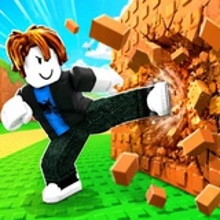
Obby Smash Walls: +1 Power Per Click is the kind of game that knows exactly what your brain wants from the first second. You click. Your power goes up. You kick something. It explodes. A bigger wall appears. You click more. Your power rises again. Now the wall that looked impossible five minutes ago turns into dust. That loop is absurdly simple, completely shameless, and very, very effective. Kiz10 already features several games built around this same power-per-click, smash-through-walls progression style, which makes this title feel right at home in that catalog of obby clickers and destruction grinders.
What makes this game stand out is how quickly it turns basic clicking into a full progression fantasy. You are not just tapping for numbers. You are training a character into a ridiculous kicking machine. Every bit of power has a visible purpose. Every barrier exists to be humbled. Every new zone feels like the game looking you straight in the eye and saying, “You are stronger now. Prove it.” And of course you do. Probably with too much enthusiasm.
𝗧𝗛𝗘 𝗪𝗔𝗟𝗟 𝗜𝗦 𝗡𝗘𝗩𝗘𝗥 𝗝𝗨𝗦𝗧 𝗔 𝗪𝗔𝗟𝗟 🧱⚡
At the heart of Obby Smash Walls: +1 Power Per Click is a beautifully dumb and satisfying truth: walls are not obstacles, they are milestones. You are meant to look at them, get annoyed, train harder, and then come back strong enough to erase them from existence. That emotional arc is a huge part of why games like this work. The barrier is not just scenery. It is proof of where you are in the grind. When it breaks, your progress feels real.
That sense of escalation is what keeps the game moving. The walls get tougher. Your kicks get stronger. The worlds get bigger. New challenges appear. Suddenly the early game feels tiny compared with what comes later, and that contrast is exactly what makes the progression loop so addictive. Similar Kiz10 games like Obby Champions, Obby: Mine Crasher, and Obby Boxer: Power Per Click all use that same “build strength, break bigger things, unlock more” structure because it creates a very clean reward cycle.
And it is not just about numbers climbing in the background. The fantasy here is physical. Your hero feels like they are becoming more dangerous, more explosive, more ridiculous with every improvement. That matters. A clicker game becomes much more satisfying when the growth has visible impact, and kicking through giant barriers absolutely counts as visible impact.
𝗣𝗘𝗧𝗦, 𝗔𝗨𝗥𝗔𝗦, 𝗔𝗡𝗗 𝗧𝗛𝗘 𝗦𝗖𝗜𝗘𝗡𝗖𝗘 𝗢𝗙 𝗚𝗘𝗧𝗧𝗜𝗡𝗚 𝗦𝗧𝗨𝗣𝗜𝗗𝗟𝗬 𝗦𝗧𝗥𝗢𝗡𝗚 🐾✨
A big reason Obby Smash Walls: +1 Power Per Click keeps its hooks in players is the layered upgrade system. Clicking alone is only the start. Wins unlock stronger kicks. Pets boost your performance. Auras multiply strength even more. Rebirth adds those long-term permanent bonuses that make every fresh climb feel faster and more explosive than the last. This exact combination of click power, pets, and rebirth progression is also present across several recent Kiz10 obby clickers, which shows how central these systems are to the genre’s appeal.
This creates a really satisfying kind of layered momentum. One upgrade helps you hit harder. Hitting harder earns wins faster. Faster wins open better upgrades. Better upgrades make rebirth more rewarding. Then the whole cycle comes back stronger. It is the sort of system that makes even small progress feel useful because everything feeds into everything else. You never really feel like a click was wasted. It all stacks toward the next breakthrough.
Pets in particular add a nice emotional push to the grind. Upgrades are fun. Cute or weird companions that make your hero absurdly stronger are even better. They give the progression more personality. Instead of just watching raw stats grow, you start building a team around your wall-smashing nonsense. That makes the world feel a little more alive and gives you one more reason to chase the next reward.
𝗥𝗘𝗕𝗜𝗥𝗧𝗛 𝗜𝗦 𝗡𝗢𝗧 𝗟𝗢𝗦𝗜𝗡𝗚, 𝗜𝗧 𝗜𝗦 𝗙𝗟𝗘𝗫𝗜𝗡𝗚 🔁🔥
The rebirth mechanic is one of the smartest parts of this type of game, and it should work especially well here. On paper, rebirth sounds cruel. You reset and give things up. In practice, it is the moment where the game starts treating you like a real progression addict. You reset because you know the next climb will be faster, stronger, and much more profitable. Suddenly what once felt like sacrifice starts feeling like strategy.
That shift is powerful. It teaches the player to think beyond the current wall and start planning for exponential growth. You are no longer asking, “How do I beat this obstacle?” You are asking, “How do I build a version of myself that will laugh at this obstacle later?” That is the mentality these clicker obby games thrive on. Kiz10’s Speed per Click: Obby and Obby: +1 Speed Escape for Brainrots show how rebirth-driven growth turns small upgrades into long-term obsession.
Once that mindset settles in, the game becomes more than a casual tapper. It becomes a planning loop. You start choosing upgrades with more intention. You think about efficiency. You begin noticing how much faster your hero progresses after each reset. And that feeling, that lovely sense of breaking the system in your favor, is what keeps players coming back.
𝗧𝗛𝗘 𝗢𝗕𝗕𝗬 𝗣𝗔𝗥𝗧 𝗠𝗔𝗞𝗘𝗦 𝗧𝗛𝗘 𝗚𝗥𝗜𝗡𝗗 𝗙𝗘𝗘𝗟 𝗔𝗟𝗜𝗩𝗘 🕺🌍
The obby format matters a lot here. Without movement and world traversal, a power-per-click game can become too abstract. But in an obby setting, progress becomes spatial. You are not just increasing power inside a menu. You are opening paths, reaching stronger zones, and physically advancing through a world that keeps demanding more from you. That gives the grind shape.
Movement also helps the game feel more active. On PC, you use WASD to move, right mouse to rotate the camera, and left mouse to gain power and attack. On mobile, the joystick and swipe controls keep that same flow intact. That control setup is very close to other Roblox-style Kiz10 obby games where movement, camera rotation, upgrades, and repeated power actions form the core loop.
Because of that, each session feels like more than just idle number growth. You run, click, kick, rotate, explore, and push into tougher spaces. The map becomes part of the reward structure. New worlds are not only bigger values. They are new places to dominate. That change in scenery matters more than people think. It keeps the whole experience from feeling too static.
𝗢𝗙𝗙𝗟𝗜𝗡𝗘 𝗚𝗥𝗢𝗪𝗧𝗛 𝗜𝗦 𝗧𝗛𝗘 𝗞𝗜𝗡𝗗 𝗢𝗙 𝗦𝗘𝗗𝗨𝗖𝗧𝗜𝗢𝗡 𝗧𝗛𝗔𝗧 𝗪𝗢𝗥𝗞𝗦 😈📈
One of the most dangerous little promises in this game is that your power keeps growing even while you are away. That offline progression is the kind of feature that turns a fun clicker into a habit. You leave, come back later, and suddenly your next wall looks much less intimidating. The game rewards absence with strength, which is a very effective way to make sure absence never lasts too long.
This matters because it softens the grind without killing it. You still need to play, optimize, and push through the harder walls yourself, but the offline gains keep the progress feeling generous. That makes the whole experience friendlier for short sessions. You can jump in, collect the benefits of your last run, make a fresh push, and leave again without feeling like momentum died. Kiz10’s clicker and idle game pages emphasize exactly this kind of passive growth loop as a core reason these games are so sticky.
And of course, the moment you return stronger than expected, the game immediately gives you a new target. Another wall. Another pet. Another aura. Another leaderboard position to chase. It never really lets the loop go quiet.
𝗖𝗢𝗠𝗣𝗘𝗧𝗜𝗧𝗜𝗢𝗡 𝗠𝗔𝗞𝗘𝗦 𝗧𝗛𝗘 𝗚𝗥𝗜𝗡𝗗 𝗙𝗘𝗘𝗟 𝗟𝗢𝗨𝗗𝗘𝗥 🏆👊
Leaderboards are a perfect fit for a game like this because raw power is inherently brag-friendly. Once you have a system based on bigger kicks, faster progress, stronger pets, and rebirth bonuses, it is only natural to ask who has pushed the whole structure the farthest. The game’s competitive side gives the grind more edge. Now you are not just smashing barriers for yourself. You are smashing them to prove something.
That competitive framing adds extra energy to the upgrade loop. Suddenly efficiency matters more. Your choice of pets matters more. Rebirth timing matters more. Even small improvements feel meaningful because they help separate you from other players climbing the same mountain of nonsense. Obby Champions and other recent Kiz10 progression obby games lean into that same strength-growth-and-ranking fantasy because it turns passive improvement into an active rivalry.
And it fits the tone perfectly. This is already a game about becoming absurdly overpowered. Of course it should let you show off.
𝗪𝗛𝗬 𝗢𝗕𝗕𝗬 𝗦𝗠𝗔𝗦𝗛 𝗪𝗔𝗟𝗟𝗦: +𝟭 𝗣𝗢𝗪𝗘𝗥 𝗣𝗘𝗥 𝗖𝗟𝗜𝗖𝗞 𝗪𝗢𝗥𝗞𝗦 𝗢𝗡 𝗞𝗜𝗭𝟭𝟬 🎮💣
Obby Smash Walls: +1 Power Per Click looks like a very natural fit for players who enjoy clicker games, obby progression games, pet upgrade systems, rebirth loops, and Roblox-style browser worlds where growth is the entire fantasy. Kiz10 already hosts multiple closely related games built around power-per-click upgrades, wall smashing, pets, and unlocking stronger zones, so this title lands in a space the site’s players clearly already understand and enjoy.
If you like games where every tap matters, every reset comes back stronger, and every impossible barrier is really just a future memory, this one has the right energy. It is bright, compulsive, silly, and built around one of the most reliable loops in modern browser gaming: click, grow, break, unlock, repeat.
So start kicking. Train until the first wall feels like paper. Then find a bigger wall and do it again. In Obby Smash Walls: +1 Power Per Click, progress is not subtle. It explodes on contact.





 Share
Share
 Embed
Embed