𝗪𝗔𝗟𝗞𝗜𝗡𝗚 𝗦𝗛𝗢𝗨𝗟𝗗 𝗡𝗢𝗧 𝗕𝗘 𝗧𝗛𝗜𝗦 𝗛𝗔𝗥𝗗, 𝗔𝗡𝗗 𝗬𝗘𝗧 𝗛𝗘𝗥𝗘 𝗪𝗘 𝗔𝗥𝗘 🦵
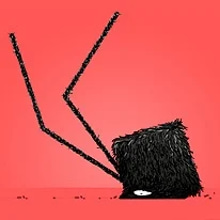
Daddy Long Legs takes one of the simplest actions in human history and turns it into a public humiliation simulator. Walking. That is the challenge. Not fighting dragons, not solving ancient mysteries, not winning some grand championship. Just walking forward with a ridiculous pair of towering legs that seem fully committed to ruining your day. It sounds silly because it is silly, but that silliness is exactly what makes the game so effective. The moment the first step goes wrong, the whole thing clicks. This is not a calm stroll. It is a full-body negotiation with gravity.
That is what makes it so addictive on Kiz10. The goal is laughably easy to explain and surprisingly nasty to execute. You alternate steps, try to keep your balance, and attempt to travel as far as possible before physics reminds you who is actually in control. Every few seconds the game makes you feel one of two emotions. Either you are a genius who has finally understood the rhythm, or you are a disaster wearing legs that are much too long for this world. Usually both within the same minute.
𝗧𝗛𝗘 𝗖𝗢𝗡𝗧𝗥𝗢𝗟𝗦 𝗔𝗥𝗘 𝗘𝗔𝗦𝗬. 𝗧𝗛𝗘 𝗕𝗢𝗗𝗬 𝗜𝗦 𝗡𝗢𝗧 🎮
What makes Daddy Long Legs so good is the contrast between the control scheme and the actual physical result. The basic input is simple. Tap to step, alternate legs, try not to fall over. That sounds approachable enough. The problem is that the character itself behaves like a newborn giraffe trying to understand concrete for the first time. Every step feels unstable. Every stretch feels risky. Every little correction has the potential to become a much larger mistake.
This is exactly the kind of design that fuels great arcade frustration. You never feel confused about what the game wants. You feel betrayed by how hard that apparently simple request becomes once the legs start doing their own weird dance. That clarity matters. A hard game is always more fun when the player understands the objective perfectly and still fails in absurd ways.
And the failures are funny. That helps a lot. Daddy Long Legs understands that if it is going to drop you on your face over and over again, it had better make those falls entertaining. It does. Every collapse feels like slapstick. The character tumbles, folds, or wipes out in ways that are ridiculous enough to soften the pain.
𝗧𝗛𝗘 𝗚𝗔𝗠𝗘 𝗜𝗦 𝗥𝗘𝗔𝗟𝗟𝗬 𝗔𝗕𝗢𝗨𝗧 𝗥𝗛𝗬𝗧𝗛𝗠, 𝗡𝗢𝗧 𝗦𝗣𝗘𝗘𝗗 ⏱️
A lot of new players make the same mistake right away. They assume the goal is to move fast. It is not. Speed is a trap. Daddy Long Legs is actually a rhythm game wearing the costume of a physics comedy. The player who succeeds is usually not the one mashing for bigger steps. It is the one who starts feeling the timing. Short step, settle, next step, adjust, keep the body upright, resist the urge to panic. That tempo is everything.
Once you understand that, the game becomes much more satisfying. You stop trying to dominate the legs and start trying to cooperate with them. There is a tiny rhythm to a good run, almost like you are conducting a very fragile parade of limbs. When it works, it feels oddly smooth. For a few glorious seconds, the character stops looking like a catastrophe and starts moving with actual intention. Then of course one step goes too far, the balance breaks, and the whole run collapses like a badly made puppet. But still, those good seconds are enough to keep you chasing another try.
That is the secret. The game gives you just enough control to believe mastery is possible, then keeps making you earn it again.
𝗧𝗛𝗘 𝗣𝗛𝗬𝗦𝗜𝗖𝗦 𝗔𝗥𝗘 𝗧𝗛𝗘 𝗝𝗢𝗞𝗘, 𝗔𝗡𝗗 𝗔𝗟𝗦𝗢 𝗧𝗛𝗘 𝗦𝗞𝗜𝗟𝗟 🤹
There is a big difference between random wobble and funny physics that still reward improvement. Daddy Long Legs leans into the second one. Yes, the movement is goofy. Yes, the falls are chaotic. Yes, the legs seem actively unhelpful. But the game is not random. Over time, you really do get better at reading how far to extend a step, when to keep it small, and how to recover from that horrible leaning moment right before a fall.
That balance is why it remains fun. If the character behaved like total nonsense every time, the game would stop feeling fair. Instead, it behaves like nonsense with a pattern. That means every failed run contains information. Maybe you overreached. Maybe you stepped too quickly before the body settled. Maybe you tried to save a bad angle with an even worse one. Fine. The next run is waiting, and now you know slightly more than you did fifteen seconds ago.
This kind of improvement loop is powerful in browser games. You do not need giant unlock trees or huge campaigns to stay engaged. You just need a mechanic that feels awful at first and then slowly starts making sense. Daddy Long Legs absolutely has that.
𝗘𝗩𝗘𝗥𝗬 𝗠𝗘𝗧𝗘𝗥 𝗙𝗘𝗘𝗟𝗦 𝗟𝗜𝗞𝗘 𝗔 𝗧𝗜𝗡𝗬 𝗣𝗘𝗥𝗦𝗢𝗡𝗔𝗟 𝗩𝗜𝗖𝗧𝗢𝗥𝗬 🏁
Distance is the real reward here. The game does not need a huge dramatic ending because your own previous run is already enough of an enemy. Maybe last time you made it a few awkward steps before collapsing. Great. Now the next target is to go a little farther. Then farther again. That constant personal score chase is what gives the game its staying power. Every run becomes a challenge against your own earlier embarrassment.
This is where the high replayability comes from. The rounds are quick, the objective is clear, and restarting is immediate. You fall, you laugh, you mutter something unkind about the legs, and then you try again because obviously that last fall was nonsense and does not represent your true ability. A few minutes later, you are still there, locked into the same loop, determined to squeeze a little more distance out of a body that continues to behave like spaghetti on stilts.
And because the movement is so visibly unstable, even small improvements feel dramatic. One extra clean stretch feels huge. Ten more meters can feel like a heroic event. That is the kind of score-chasing arcade design that works beautifully on Kiz10.
𝗧𝗛𝗘 𝗨𝗡𝗟𝗢𝗖𝗞𝗦 𝗔𝗗𝗗 𝗝𝗨𝗦𝗧 𝗘𝗡𝗢𝗨𝗚𝗛 𝗘𝗫𝗧𝗥𝗔 𝗠𝗢𝗧𝗜𝗩𝗔𝗧𝗜𝗢𝗡 🎭
Daddy Long Legs also benefits from keeping the reward loop alive with unlockable characters. That is a smart addition because it gives players something to chase beyond raw distance. Sometimes a difficult physics game needs a little extra carrot, and new skins or characters do exactly that. They do not change the core challenge, which is good, but they do make repeated runs feel a little fresher.
That matters because this is a game built on repetition. You are going to fall often. You are going to restart often. Cosmetic changes help keep that cycle lively, especially when the main attraction is already strong. They also fit the tone. A weird game about giant-legged walking disasters should absolutely let the player unlock more odd-looking versions of the same bad idea.
𝗪𝗛𝗬 𝗗𝗔𝗗𝗗𝗬 𝗟𝗢𝗡𝗚 𝗟𝗘𝗚𝗦 𝗙𝗜𝗧𝗦 𝗞𝗜𝗭𝟭𝟬 𝗦𝗢 𝗪𝗘𝗟𝗟 😄
On kiz10.com, Daddy Long Legs is a perfect fit for players who enjoy physics games, one-button arcade challenges, funny ragdoll-style movement, and score-based gameplay that looks harmless but quickly becomes a stubborn little obsession. It is easy to start, impossible to fully respect, and strangely hard to stop playing.
The reason it works is that it never tries to be more complicated than it needs to be. It trusts the legs. It trusts the falls. It trusts the player’s natural desire to prove that something this ridiculous can, in fact, be mastered. And that trust pays off. The game is funny, frustrating, skill-based, and full of those tiny moments where a clean step feels better than it has any right to.
Daddy Long Legs turns walking into a comedy of errors and then dares you to become good at it. That is a very strong arcade pitch. If you like browser games that mix awkward physics, humor, fast retries, and that dangerous “one more try” energy, this one absolutely delivers. Just do not expect dignity to survive the first ten seconds.





 Share
Share
 Embed
Embed