𝗧𝗛𝗘 𝗖𝗜𝗥𝗖𝗨𝗦 🎪 𝗦𝗠𝗜𝗟𝗘𝗦 𝗙𝗜𝗥𝗦𝗧, 𝗧𝗛𝗘𝗡 𝗦𝗧𝗔𝗥𝗧𝗦 𝗧𝗢 𝗕𝗥𝗘𝗔𝗞 𝗬𝗢𝗨
The Amazing Digital Circus (TADC) Mind Games starts with the kind of welcome that feels wrong even before you can explain why. It is colorful, bright, theatrical, almost playful on the surface, but underneath all that painted cheer there is something deeply unstable. Something watching. Something waiting for you to say the wrong thing. That is exactly what makes the game work. It does not rush into loud horror with cheap tricks. It lets discomfort grow inside the dialogue, inside the atmosphere, inside the feeling that every smile in this circus might be hiding a blade.
On Kiz10, that makes it stand out from more direct action horror games. This is not about running from monsters through dark hallways with a flashlight and a bad plan. It is a psychological horror visual novel where language is the battlefield. Your choices matter. Your reactions matter. Your ability to stay calm when the conversation turns strange matters even more. The game takes the familiar digital circus world and twists it into a much more intimate kind of threat, where danger does not always arrive with noise. Sometimes it arrives as a question.
𝗖𝗛𝗢𝗜𝗖𝗘𝗦 🧠 𝗔𝗥𝗘 𝗡𝗢𝗧 𝗝𝗨𝗦𝗧 𝗗𝗜𝗔𝗟𝗢𝗚𝗨𝗘, 𝗧𝗛𝗘𝗬 𝗔𝗥𝗘 𝗦𝗨𝗥𝗩𝗜𝗩𝗔𝗟
The strongest thing about The Amazing Digital Circus (TADC) Mind Games is how clearly it understands the power of choice-based horror. A lot of games talk about decisions mattering, but here the whole experience seems built around that idea. You are inside the circus. You are interacting with unstable characters. You are trying to stay mentally intact while each answer pushes the story in one direction or another. That creates a very particular kind of tension. You are not only watching horror happen. You are helping shape it.
That makes every scene feel heavier. Even before anything truly bad happens, there is pressure in the act of speaking. Do you say too much? Too little? Do you trust the tone of the room, or do you assume the room is lying to you? Good horror visual novels live on those little decisions, and this one sounds built entirely around them. The fear does not come from overwhelming action. It comes from uncertainty. From the feeling that one wrong response might quietly lock you into the worst possible future.
𝗖𝗔𝗜𝗡𝗘 😵 𝗜𝗦 𝗡𝗢𝗧 𝗔 𝗛𝗢𝗦𝗧, 𝗛𝗘 𝗜𝗦 𝗔 𝗣𝗥𝗢𝗕𝗟𝗘𝗠 𝗪𝗜𝗧𝗛 𝗔 𝗦𝗠𝗜𝗟𝗘
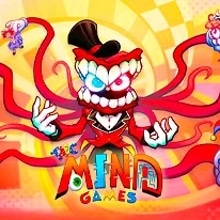
One of the reasons this game has so much potential is the cast. Familiar characters from The Amazing Digital Circus are not used here as safe fan service. They are reinterpreted through a darker lens. Pomni, Kinger, and especially Caine become part of a much more sinister atmosphere, where personality is still recognizable but the tone has been shifted into something unstable and threatening. That is a smart move. It lets the game feel connected to the original universe while still carving out its own disturbing identity.
Caine in particular sounds like the perfect center of psychological pressure. A ringmaster should already control the room. A deranged one controls the room and makes you doubt your own footing inside it. That is excellent horror material. The game seems to understand that emotional unpredictability is often more effective than brute force. If a character can make the player uncomfortable simply by talking, the story already has its claws in.
𝗛𝗢𝗥𝗥𝗢𝗥 🌫️ 𝗗𝗢𝗘𝗦 𝗡𝗢𝗧 𝗡𝗘𝗘𝗗 𝗝𝗨𝗠𝗣 𝗦𝗖𝗔𝗥𝗘𝗦 𝗧𝗢 𝗕𝗘 𝗘𝗙𝗙𝗘𝗖𝗧𝗜𝗩𝗘
One of the most appealing things about The Amazing Digital Circus (TADC) Mind Games is that it leans into tension instead of cheap shock. The game sounds designed for players who want dread, unease, and distorted atmosphere more than loud brutality. That is a good choice. Psychological horror often lasts longer because it gets into the player’s head instead of simply startling them for a second. A strange line of dialogue, a wrong facial expression, an answer that seems safe until it clearly is not, those things can stay with you much longer than a jump scare.
That also makes the game easier to replay. If the horror comes from choice, mood, and implication, then seeing different paths becomes part of the appeal instead of just repeating the same shocks. You start noticing the shape of the story more clearly. You start wondering what would have happened if you had answered differently. That curiosity is one of the best engines a visual novel can have.
𝗧𝗛𝗘 𝗗𝗜𝗔𝗟𝗢𝗚𝗨𝗘 🗣️ 𝗠𝗔𝗣 𝗜𝗦 𝗥𝗘𝗔𝗟𝗟𝗬 𝗔 𝗧𝗥𝗔𝗣 𝗠𝗔𝗣
A branching story only works when the player feels like the different paths actually matter, and this game sounds built around exactly that idea. Multiple endings, a dialogue map, repeated playthroughs, all of it points toward a structure where exploration is not just about finding more scenes, but about understanding the circus itself. The player is not only trying to “win.” The player is trying to understand what this place wants, what the characters are hiding, and which choices lead deeper into disaster.
That gives the story loop real strength. A first playthrough is survival. A second playthrough becomes investigation. A third becomes obsession. What did I miss? Which answer triggered that reaction? Which path kept me safer, and which one dragged me somewhere worse? This is exactly how a strong horror visual novel turns reading into gameplay. Every replay is not repetition. It is a different experiment with the same unstable world.
𝗧𝗛𝗘 𝗔𝗥𝗧 🎨 𝗦𝗧𝗬𝗟𝗘 𝗠𝗔𝗧𝗧𝗘𝗥𝗦 𝗕𝗘𝗖𝗔𝗨𝗦𝗘 𝗧𝗛𝗘 𝗖𝗜𝗥𝗖𝗨𝗦 𝗦𝗛𝗢𝗨𝗟𝗗 𝗟𝗢𝗢𝗞 𝗕𝗘𝗔𝗨𝗧𝗜𝗙𝗨𝗟 𝗘𝗡𝗢𝗨𝗚𝗛 𝗧𝗢 𝗧𝗥𝗨𝗦𝗧 𝗔𝗧 𝗙𝗜𝗥𝗦𝗧
A big reason this concept is so effective is the contrast between visual style and emotional tone. The Amazing Digital Circus world is already memorable because it mixes bright, stylized imagery with underlying discomfort. A horror take on that aesthetic can be extremely powerful when handled well. If the world still looks expressive, colorful, and full of personality, the darker choices hit harder. Horror often works best when it emerges from a place that was supposed to feel safe or fun. A circus is perfect for that. A digital circus is even better.
The fact that the visual work is described as handmade by many independent artists helps the game feel more personal too. That kind of style usually gives a project more texture. More character. More small details that make the world feel intentionally strange instead of generically dark. In a visual novel, that matters a lot. You spend so much time looking, reading, and interpreting that the art has to carry as much mood as the dialogue does.
𝗣𝗢𝗠𝗡𝗜 👁️ 𝗔𝗡𝗗 𝗞𝗜𝗡𝗚𝗘𝗥 𝗔𝗥𝗘 𝗡𝗢𝗧 𝗝𝗨𝗦𝗧 𝗖𝗔𝗠𝗘𝗢𝗦, 𝗧𝗛𝗘𝗬 𝗔𝗥𝗘 𝗣𝗔𝗥𝗧 𝗢𝗙 𝗧𝗛𝗘 𝗠𝗘𝗡𝗧𝗔𝗟 𝗣𝗥𝗘𝗦𝗦𝗨𝗥𝗘
Characters like Pomni and Kinger give the story another major advantage: emotional instability that feels human. Horror is often stronger when the danger is not just external. If the people around you are frightened, fragmented, unstable, or one sentence away from collapse, then the entire scene becomes harder to read. That is exactly the kind of emotional mess a digital circus horror story should use. You are not surrounded by calm allies. You are surrounded by personalities already hanging by a thread.
That helps the game feel more immersive because every conversation carries emotional risk, not just narrative risk. Maybe a character helps you. Maybe they break. Maybe they expose something you were not ready to hear. The circus becomes less like a stage and more like a pressure chamber where every interaction changes the temperature.
𝗪𝗛𝗬 🎭 𝗧𝗛𝗜𝗦 𝗪𝗢𝗥𝗞𝗦 𝗦𝗢 𝗪𝗘𝗟𝗟 𝗢𝗡 𝗞𝗜𝗭10
The Amazing Digital Circus (TADC) Mind Games fits Kiz10 because it brings together several things that work very well in browser format: recognizable characters, strong visual identity, branching choices, replayable endings, and a tight concept that immediately tells the player what kind of tension to expect. It is easy to start, emotionally engaging, and built around exactly the sort of “let me see the other ending” curiosity that keeps visual novels alive.
If you enjoy choice-driven horror, interactive stories, psychological tension, and visual novels where every line of dialogue feels like it might be a mistake, this one has a lot to offer. It takes the strange charm of The Amazing Digital Circus and bends it toward something darker, more intimate, and more unsettling. That is a strong direction. And in a world like this, being careful with your words may be the only real weapon you have.





 Share
Share
 Embed
Embed