𝗧𝗛𝗘 𝗙𝗜𝗥𝗦𝗧 𝗦𝗧𝗘𝗣 𝗜𝗦 𝗜𝗡𝗡𝗢𝗖𝗘𝗡𝗧… 𝗧𝗛𝗘 𝗧𝗘𝗡𝗧𝗛 𝗜𝗦 𝗔 𝗠𝗜𝗦𝗧𝗔𝗞𝗘 🏃♂️⚡
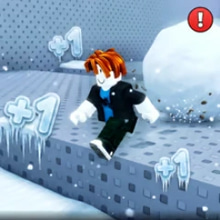
+1 Speed per Step | Obby Mode is the kind of arcade obby that starts like a casual jog and ends like you accidentally strapped fireworks to your shoes. You don’t “level up” with complicated menus or long tutorials. You level up by existing. By moving. By taking another step, and then another, and then suddenly realizing your avatar is sliding across platforms like a runaway shopping cart. On Kiz10, it’s pure Roblox-style progression energy: run, get faster, reach goals, rebirth, repeat, grin like you’re getting away with something.
The best part is how honest the loop is. The game tells you exactly what it is: an infinite grind disguised as parkour, with speed scaling that turns familiar obstacles into brand-new problems every time your stats climb. That same jump you nailed calmly at low speed becomes a panic decision later because your feet are basically on roller skates. It’s not unfair, it’s just… fast. And speed changes everything.
𝗦𝗣𝗘𝗘𝗗 𝗜𝗦 𝗔 𝗦𝗧𝗔𝗧, 𝗕𝗨𝗧 𝗔𝗟𝗦𝗢 𝗔 𝗣𝗘𝗥𝗦𝗢𝗡𝗔𝗟𝗜𝗧𝗬 😵💫🔥
At the core, your speed increases as you run. More steps means more speed, and more speed means you can cover ground quickly, clear wider gaps, and reach new areas… but it also means you’re one tiny misread away from launching into space. The game turns movement into a resource, and that’s a sneaky twist. In most obby games you move to solve the course. Here, moving is the upgrade system. Standing still feels wrong, like you’re refusing free power.
But there’s a catch, and it’s deliciously mean: speed makes you strong and stupid at the same time. Strong because you fly through sections. Stupid because you overshoot landings, bounce off narrow platforms, and realize your fingers are not designed for 300% speed decision-making. 😅 That’s the entire charm of “+1 per step” games: they lure you into overpowered chaos and then ask if you can stay graceful inside it.
You’ll notice a shift in how you play. Early on, you focus on learning routes and timing jumps. Later, you focus on controlling momentum. You start making micro-adjustments, short taps instead of long holds, tiny camera corrections, little hesitations before a jump. It becomes a rhythm game disguised as parkour. Your brain goes quiet, your hands do the work, and then you mess up one landing and suddenly you’re awake again.
𝗟𝗘𝗩𝗘𝗟𝗦, 𝗧𝗥𝗢𝗣𝗛𝗜𝗘𝗦, 𝗔𝗡𝗗 𝗧𝗛𝗔𝗧 𝗗𝗔𝗡𝗚𝗘𝗥𝗢𝗨𝗦 𝗪𝗢𝗥𝗗: “𝗢𝗡𝗘 𝗠𝗢𝗥𝗘” 🏆😈
In this obby mode, the goal is simple: reach the end of levels to earn trophies, climb leaderboards, and unlock progress that feeds the next run. There’s something satisfying about the “finish line” structure because it gives your grind a shape. You’re not just running in circles for numbers. You’re running with a target. And when you reach it, you get that small hit of reward that makes you instantly think, “Okay, again. But faster.”
The trophy currency is the big prize. It’s what you want when you’re trying to flex on leaderboards and buy meaningful upgrades. Steps are your constant drip, your everyday fuel. This dual-currency vibe makes the loop feel more alive because you’re always earning something, even when your run isn’t perfect. You might fail an obstacle, but you still got steps. You still got a little faster. You still moved forward in the long-term math. That keeps frustration low and addiction high. A dangerous combination. 🙂
And then there’s that special moment when you unlock a new area. The map shifts, the visuals change, and the obstacles get a little more demanding. Not because they’re impossibly complicated, but because they assume you’re faster now. The game is basically saying, “Cool speed stat. Prove you can drive it.”
𝗧𝗥𝗔𝗜𝗡𝗜𝗡𝗚 𝗭𝗢𝗡𝗘𝗦, 𝗧𝗥𝗘𝗔𝗗𝗠𝗜𝗟𝗟𝗦, 𝗔𝗡𝗗 𝗧𝗛𝗘 𝗚𝗥𝗜𝗡𝗗 𝗔𝗥𝗧 🧪👟
Training zones are where the game whispers, “If you want power, you can farm it.” Treadmills and special pickups turn your speed growth into something you can optimize instead of just passively gain. You start thinking like a grinder. Where’s the best place to loop steps? Where’s the safest area to build speed before attempting a tricky section? When should you stop training and go for the level finish?
Shoe icons and floating boosts feel like tiny temptations sprinkled across the course. They encourage exploration and risk. Do you take the clean path to the end for guaranteed trophies, or do you detour for extra speed and currency? That decision changes depending on your current speed. When you’re slow, detours feel safe. When you’re fast, detours feel like gambling with your entire run. That’s why it stays interesting. The same map keeps asking different questions as your stats grow.
And the game’s “infinite grind” mood comes from how upgrades stack. You’ll gradually get that exponential feeling where a rebirth makes your next cycle faster, which makes trophies easier, which makes upgrades quicker, which makes the next rebirth even more satisfying. It’s like building a snowball that you intentionally roll down a hill… while chasing it. 😭
𝗥𝗘𝗕𝗜𝗥𝗧𝗛: 𝗥𝗘𝗦𝗘𝗧 𝗧𝗢 𝗚𝗘𝗧 𝗠𝗢𝗥𝗘 𝗗𝗔𝗡𝗚𝗘𝗥𝗢𝗨𝗦 🔁🚀
Rebirth is the mechanic that turns “fun runner” into “numbers gremlin simulator.” When progress slows, rebirth lets you reset your stats in exchange for permanent multipliers. The first time you rebirth, it feels scary because humans hate losing progress. Then you do it, and you realize the next run ramps up faster, smoother, louder, and your brain instantly reframes it as a power move. You didn’t lose progress, you upgraded your future.
The key is knowing when to rebirth. If you wait too long, you’re grinding slowly with diminishing returns. If you rebirth too early, you might miss out on easy trophies you could have grabbed with a bit more patience. The sweet spot is when the course starts feeling like you’re forcing it rather than flowing through it. When every obstacle becomes a coin flip. That’s usually the game politely suggesting, “Reset. Come back stronger.”
And because rebirth is permanent progress, it gives the game a long tail. You can play for short sessions, do a quick speed ramp, buy one upgrade, rebirth, log off, and still feel like you moved forward.
𝗖𝗢𝗡𝗧𝗥𝗢𝗟𝗦 𝗔𝗡𝗗 𝗧𝗛𝗘 𝗦𝗧𝗥𝗔𝗡𝗚𝗘 𝗦𝗖𝗜𝗘𝗡𝗖𝗘 𝗢𝗙 𝗖𝗔𝗠𝗘𝗥𝗔 🎮🧭
The controls are straightforward, which is important because the difficulty comes from speed, not from complicated inputs. On PC you move with WASD and rotate the camera with the mouse while holding the right button. On mobile you steer with a joystick and adjust the camera by swiping. The camera becomes your survival tool once you’re fast. At low speed you can be sloppy. At high speed, a bad camera angle is basically a trap. If you can’t see your landing, you’re already falling.
There’s a weird satisfaction in mastering fast movement. You stop holding keys down like it’s a normal platformer and start tapping like you’re defusing a bomb. Tiny corrections. Minimal panic. You’ll still mess up sometimes, but when you nail a clean sequence at insane speed, it feels like you just threaded a needle on a roller coaster.
𝗪𝗛𝗢 𝗧𝗛𝗜𝗦 𝗢𝗕𝗕𝗬 𝗜𝗦 𝗙𝗢𝗥 🧩😄
If you love incremental games, leaderboards, quick dopamine rewards, and that “I can improve this route” obsession, +1 Speed per Step | Obby Mode is exactly your kind of trouble. It’s easy to start, hard to stop, and it keeps you playing because the next run is always faster than the last. On Kiz10, it’s a bright, grindy, chaotic parkour playground where every step is power… and also a threat. Run smart, rebirth often, and remember: speed is fun until it becomes a personality disorder. ⚡😅





 Share
Share
 Embed
Embed