⚔️ Steel, spray, and a sky the color of war
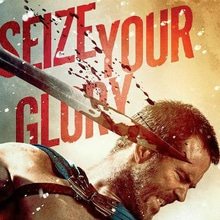
The water is black glass until the rams strike. Then the Aegean throws knives of foam, torchlight dances on bronze, and your heartbeat finds the drum that orders men to do outrageous things. 300: Rise of an Empire — Seize Your Glory drops you at the prow with nothing but a faithful blade, a stubborn shield, and a city’s future breathing down your neck. This is a cinematic hack-and-slash that plays like a legend being written under your thumbs: advance, clash, push, survive, repeat, and make the night remember your name.
🛡️ The rhythm of the shield and the sword
Combat is a conversation in three parts—timing, distance, intention. You read the telegraph in a Persian’s shoulders, raise your shield a heartbeat early, and feel the smack travel through wood into bone before you turn the parry into a riposte that paints the deck. Quick slashes carve space, heavy cuts decide arguments, and a surge lunge lets you break a formation with the kind of confidence that turns allies brave. When multiple enemies press, you pivot on leather sandals, let one strike whisper past the rim of your shield, and punish the second with a line that ends at the horizon. The game rewards patience wrapped in aggression; the cleanest run looks angry and disciplined at once.
🌊 Naval mayhem, deck-top duels, shore-line last stands
Every stage has its own temperature. Boarding actions are tight and loud, ropes creaking, hulls moaning as ships kiss each other with ill intent. You fight between mast shadows, peel archers off rails, kick a shieldman into the gap your ram just made, and grin when the sea decides to help. Shore assaults sprawl—sand sucking at your heels while flames chew tents and catapults blink like hungry eyes across the dunes. In the narrow throat of a city gate the rules change again; formations matter, flanks matter, and one well-timed shield bash turns a wave into rubble. It’s one war, many stages, each with geometry you can feel underfoot.
🔥 Heroic surges and finishers that land like oaths
Momentum builds with smart play. Strings of parries, perfect dodges, and clean kills stoke a heroic meter that unlocks surges—burst moves that part crowds, break guard, or buy a breath when the deck looks crowded with poor decisions. When your measure fills, you can cash a finisher that snaps into a slow-motion beat—blade through sash, shield edge across a jaw, a punch that sends a man to reconsidering his career. They’re punctuation marks, not crutches; use them to sculpt the flow, not to replace it.
🗡️ Weapons that feel like personalities
Your base kit is simple, your options are not. A straight xiphos sings in tight spaces, quick to guard break and honest under pressure. A heavier kopis curves like a threat and rewards commitment; swing late and it bites through bronze with a satisfied thud. Spears let you write sentences across distance, catching riders and arrogant officers who believed in space too much. Swapping on the fly turns a crowded brawl into choreography—spear to start the conversation, shield bash to interrupt, sword to finish your thesis.
🏛️ Discipline versus spectacle—your call
The scoring favors style with control. Keep your armor clean, avoid chip damage, and your grade glows brighter at the end screen. Play loud—constant surges, cheeky kicks into bonfires—and the multiplier hums like a lyre string. You will discover your own religion: minimalist efficiency that earns a Spartan nod from the gods of restraint, or maximalist chaos that leaves the deck a gallery of dramatic pauses. Both work; the only sin is panic.
👁️ Read the battlefield like a captain
Crowd control is geometry, not button mashing. Anchor yourself with a pillar or mast to prevent full encirclement. Herd light infantry into the path of a charging brute so his momentum becomes your weapon. If archers sing from a platform, advance in broken steps; let arrows spend themselves into your shield, roll through the reload, and silence the choir with a three-beat cut that teaches height humility. The game is generous to players who look two enemies ahead.
🧠 Micro-tech the veterans swear by
Hold your dodge half a beat to roll through spear tips rather than away from them; distance saved is damage found. Short-tap shield to interrupt light attacks, long-hold to steal turn order from heavies. Start a heavy slash behind a parry flash—buffered timing turns defense into offense with no air between. Against dual-wielders, step inside instead of back; their arcs overshoot and leave ribcage invitations. If three enemies sync, break tempo with a kick; rhythm belongs to whoever ruins it first. And always angle your finisher so bodies fall into other bodies—physics loves a helping hand.
🎨 Bronze and blood with clarity
The art direction leans into graphic-novel contrast: brass highlights, ink-black shadows, arterial reds that pop without blinding. Silhouettes read instantly—brutes carry their weight in the shoulders, spearmen telegraph with low stances, captains wear arrogance like a cape. Effects are expressive but honest: sparks from shield-on-shield don’t hide follow-ups, and fire is beautiful until it reminds you heat is a rule. It’s theatrical in the best way—every frame looks like a poster, every hit looks like a choice.
🔊 Drums, war horns, and the hiss of angry sea
Percussion drives your timing, low toms counting windows between danger and decision. Horns announce waves and bosses with a throat-deep confidence that makes your grip tighten a millimeter. Steel sings, wood complains, and the ocean heckles everyone equally. Subtle audio tells are your coach: the intake of breath before a heavy swing, the cloth rasp of a sidestep, the bowstring’s small confession right before it lies about mercy. Play with sound; it’s a second HUD.
🎯 Challenges, ranks, and the itch to redo
Finish fast, finish clean, finish with flare—any two is good, all three is how legends seed their own myths. Optional constraints keep the campaign spicy: no surges allowed on this deck, only spear kills in this harbor, parry three heavies in a row before the beach gives you a medal. Results screens aren’t a scold; they’re a dare. You will replay a chapter because you know exactly where you bled points and how to fix it next time.
🧭 Story told in strokes, not sermons
Between missions the war sketches itself in quick lines—burning sails on the horizon, a map spread with pebbles where commanders push fate around with two fingers, a friend’s hand gripping your shoulder for one squeezed second of human time. It’s lean, pulpy, and focused on the feeling of standing where history gets loud. You are here to fight, and the game lets everything else get out of the way of that satisfaction.
📱 Feels sharp on any setup
Keyboard taps or controller triggers, the parry bite is crisp and the dodge window honest. On touch, virtual buttons sit where thumbs live, with generous hitboxes and a subtle haptic tick on perfects so you can hear success in your palms. The UI keeps to the margins—health arc, surge meter, a thin objective ribbon—leaving the stage to your choices.
🌟 Why it sticks
Because it understands the fantasy: a lone figure holding a line with technique, nerve, and a blade that feels like an extension of intention. Because encounters are digestible and replayable without losing heat. Because every good run leaves a very specific grin—the one that says you didn’t just win, you controlled the scene. 300: Rise of an Empire — Seize Your Glory on Kiz10 is a compact epic, a war told in swipes and parries, a reminder that glory is less about shouting and more about timing.
🏁 One last push through the surf
The ram hits, decks grind, and a corridor opens full of spearpoints and opinions. You raise the shield, steal the beat, thread three parries, cut once, twice, surge through the gap, and watch the line fold like wet canvas. Horns answer the horizon. Your crew roars. You plant your feet, taste salt and smoke, and go again—not because the game demands it, but because the night hasn’t finished writing your chapter.








 Share
Share
 Embed
Embed


