𝗦𝗼𝗺𝗲 𝗱𝗿𝗶𝘃𝗶𝗻𝗴 𝗴𝗮𝗺𝗲𝘀 𝘄𝗮𝗻𝘁 𝘆𝗼𝘂 𝘁𝗼 𝘄𝗶𝗻. 𝗕𝗲𝗮𝗺𝗡𝗚.𝗱𝗿𝗶𝘃𝗲 𝘄𝗮𝗻𝘁𝘀 𝘆𝗼𝘂 𝘁𝗼 𝗳𝗶𝗻𝗱 𝗼𝘂𝘁 𝘄𝗵𝗮𝘁 𝗵𝗮𝗽𝗽𝗲𝗻𝘀 𝘄𝗵𝗲𝗻 𝗲𝘃𝗲𝗿𝘆𝘁𝗵𝗶𝗻𝗴 𝗴𝗼𝗲𝘀 𝘄𝗿𝗼𝗻𝗴 🚗💥
BeamNG.drive feels less like a normal car game and more like a giant physics laboratory disguised as a driving playground. You can race if you want, sure. You can cruise around, test jumps, throw a truck off a cliff, hit a wall at a terrible angle, or aim directly at disaster just to watch the machine fold itself into a twisted piece of regret. That is the strange beauty of it. The game is not obsessed with victory in the usual sense. It is obsessed with reaction. With consequence. With that split second after impact when the car does something so ugly and so believable that your brain immediately wants to try another crash from a slightly different angle.
That is why BeamNG.drive stands out. It turns curiosity into gameplay. Instead of giving you one simple purpose and asking you to repeat it, it hands you a vehicle, a map, and a system that reacts to almost everything in a way that feels personal. Hit a jump badly and the landing does not just look rough, it feels rough. Clip a barrier with one side of the car and the damage seems to spread exactly where your bad decision deserved it. Every mistake tells a story. Usually a very expensive one.
On Kiz10, that makes BeamNG.drive the kind of driving game that instantly pulls in players who love physics, crash simulators, off-road experiments, and freeform vehicle chaos. It is not trying to hide behind fake realism or arcade nonsense. It just opens the road, hands you a machine, and lets physics do the talking.
𝗧𝗵𝗲 𝗿𝗲𝗮𝗹 𝗵𝗲𝗿𝗼 𝗵𝗲𝗿𝗲 𝗶𝘀 𝗻𝗼𝘁 𝘁𝗵𝗲 𝗰𝗮𝗿. 𝗜𝘁 𝗶𝘀 𝘁𝗵𝗲 𝘄𝗮𝘆 𝘁𝗵𝗲 𝗰𝗮𝗿 𝗳𝗮𝗹𝗹𝘀 𝗮𝗽𝗮𝗿𝘁 🔧🔥
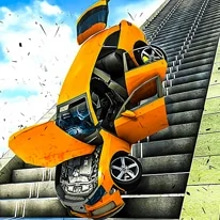
Most vehicle games treat crashes like decoration. A scrape here, a dent there, maybe a little spark effect if the game is feeling dramatic. BeamNG.drive takes the opposite route. Here, damage is the event. It is not a punishment screen with wheels. It is one of the main reasons to keep playing. The bodywork bends, the structure warps, the shape of the car changes depending on what hit it, how hard, and where. That makes every collision feel alive.
And that matters more than people expect. When crashes feel unique, driving becomes more interesting even before anything goes wrong. Every hill starts looking suspicious. Every ramp becomes a promise. Every obstacle gains personality because you know the vehicle will not react in some copy-paste way. It will react according to the moment. That unpredictability is what makes the game so addictive. You do not just wonder whether the car will survive. You wonder what kind of wreck this particular bad idea is about to create.
The result is a driving experience where destruction becomes part of the fun, not the failure state. A terrible landing can still be entertaining. A hopeless test can still be worth it. Sometimes the best run is not the cleanest one. Sometimes it is the one where the suspension gives up, a wheel decides to stop participating, and the car somehow keeps limping forward like it still believes in itself.
𝗘𝘃𝗲𝗿𝘆 𝗺𝗮𝗽 𝗳𝗲𝗲𝗹𝘀 𝗹𝗶𝗸𝗲 𝗮 𝗰𝗵𝗮𝗹𝗹𝗲𝗻𝗴𝗲 𝘄𝗮𝗶𝘁𝗶𝗻𝗴 𝘁𝗼 𝗽𝗿𝗼𝘃𝗲 𝘆𝗼𝘂 𝘄𝗲𝗿𝗲 𝘁𝗼𝗼 𝗰𝗼𝗻𝗳𝗶𝗱𝗲𝗻𝘁 🌍🛞
One of the smartest things about BeamNG.drive is that the terrain is not just scenery. Every environment feels built to ask a question. How stable is your setup? How well does this vehicle handle slopes? What happens if you launch something heavy off a sharp incline and try to save the landing with pure optimism? These are important scientific questions, clearly.
The maps give the game its range. Some areas encourage exploration. Others invite impact tests, rough off-road driving, or high-speed experiments that are obviously going to end in twisted metal. The variety helps because it stops the simulator from feeling like a one-joke sandbox. Yes, crashing is a huge part of the appeal, but so is understanding how vehicles behave in different spaces. A smooth road asks for speed. A broken path asks for control. A steep descent asks whether you truly value your brakes.
This makes the game much richer than a simple destruction simulator. It becomes a full driving sandbox where the map itself helps shape the story of the vehicle.
𝗧𝘄𝗲𝗮𝗸𝗶𝗻𝗴 𝘁𝗵𝗲 𝗺𝗮𝗰𝗵𝗶𝗻𝗲 𝗶𝘀 𝗵𝗮𝗹𝗳 𝘁𝗵𝗲 𝗳𝘂𝗻, 𝗮𝗻𝗱 𝘁𝗵𝗲 𝗼𝘁𝗵𝗲𝗿 𝗵𝗮𝗹𝗳 𝗶𝘀 𝗶𝗴𝗻𝗼𝗿𝗶𝗻𝗴 𝘆𝗼𝘂𝗿 𝗼𝘄𝗻 𝗴𝗼𝗼𝗱 𝗮𝗱𝘃𝗶𝗰𝗲 ⚙️😈
BeamNG.drive becomes even more satisfying because it gives you room to adjust the vehicle instead of forcing one fixed driving feel. That means the game is not only about reacting to physics. It is also about preparing for them. Mechanical adjustments change how a car behaves, and that instantly makes experiments more personal. You are not only driving a vehicle. You are shaping it into something better suited for the nonsense you are planning.
This is where the simulator side gets stronger. A heavier setup, a softer suspension, a more controlled approach to terrain, these things matter. The car does not exist in isolation from the conditions around it. It has to meet the world on the world’s terms, and the better you prepare it, the more interesting that interaction becomes.
Of course, preparation only helps so much when you insist on throwing the thing off a hill at a speed no sane driver would choose. But that is part of the game’s charm too. It supports careful tuning and reckless experiments at the same time. You can drive with discipline, or you can turn the whole thing into a beautifully expensive mistake generator.
𝗘𝘃𝗲𝗿𝘆 𝘃𝗲𝗵𝗶𝗰𝗹𝗲 𝗳𝗲𝗲𝗹𝘀 𝗹𝗶𝗸𝗲 𝗶𝘁 𝗯𝗿𝗶𝗻𝗴𝘀 𝗶𝘁𝘀 𝗼𝘄𝗻 𝘄𝗮𝘆 𝘁𝗼 𝘀𝘂𝗳𝗳𝗲𝗿 🚙🚚
Another reason the game stays so interesting is that one vehicle never tells the whole story. Passenger cars, heavier vehicles, trucks, each one changes the entire mood of a run. A smaller car may feel agile, fast, and fragile in a very dramatic way. A heavier vehicle feels slower, tougher, but capable of causing even more ridiculous damage when momentum takes over. That variety matters because it constantly refreshes the sandbox.
Switching vehicles is not just cosmetic. It changes your expectations. It changes your routes. It changes what kind of accident you are secretly hoping for. A tight turn feels different in a light car than it does in a truck. A jump means something else entirely when the mass behind it changes. That is exactly what you want in a physics-based driving game. Different machines should lead to different stories, and BeamNG.drive clearly lives on those differences.
𝗧𝗵𝗲 𝗯𝗲𝘀𝘁 𝗽𝗮𝗿𝘁 𝗶𝘀 𝘁𝗵𝗮𝘁 𝘁𝗵𝗲 𝗴𝗮𝗺𝗲 𝗱𝗼𝗲𝘀 𝗻𝗼𝘁 𝘁𝗲𝗹𝗹 𝘆𝗼𝘂 𝘄𝗵𝗮𝘁 𝗰𝗼𝘂𝗻𝘁𝘀 𝗮𝘀 𝗳𝘂𝗻 🧪🌪️
Some players will treat BeamNG.drive like a crash lab. Others will use it like a driving test ground. Others will spend their time building strange scenarios and seeing which one breaks the car in the most theatrical way. All of those approaches feel valid because the game leaves enough room for self-made objectives. That freedom is one of its biggest strengths.
A lot of driving games offer freedom in theory but still quietly push you back toward one intended path. BeamNG.drive feels more relaxed than that. If you want to create your own challenge, the game seems happy to let you. If you want to turn every session into a wrecking experiment, it supports that too. If you want to explore and simply appreciate how the cars behave, that works as well.
That flexibility is why the simulator stays compelling after the first hour. The novelty of the damage system grabs attention, but the freedom to create your own chaos is what keeps the whole experience alive.
𝗙𝗶𝗻𝗮𝗹 𝘃𝗲𝗿𝗱𝗶𝗰𝘁: 𝗮 𝗱𝗿𝗶𝘃𝗶𝗻𝗴 𝘀𝗮𝗻𝗱𝗯𝗼𝘅 𝘄𝗵𝗲𝗿𝗲 𝗽𝗵𝘆𝘀𝗶𝗰𝘀 𝗶𝘀 𝘁𝗵𝗲 𝗿𝗲𝗮𝗹 𝗯𝗼𝘀𝘀 🏆💣
BeamNG.drive is the kind of simulator that wins people over by being brutally honest. Vehicles react the way they should, damage feels meaningful, and every environment gives you new ways to test speed, control, and destruction. It is not a polite driving game. It is a physics sandbox with enough realism to make every good idea thrilling and every bad idea unforgettable.
If you enjoy Kiz10 driving games that focus on crash simulation, open experimentation, vehicle tuning, and pure mechanical chaos, this one is easy to recommend. Pick a car, choose a map, and see what survives. Usually not much, but that is half the point.





 4.5 (150 votes)
 Share
Share
 Embed
Embed