𝗪𝗛𝗘𝗡 𝗣𝗔𝗥𝗞𝗜𝗡𝗚 𝗠𝗘𝗘𝗧𝗦 𝗧𝗛𝗘 𝗢𝗖𝗘𝗔𝗡 🚗🚢
Car Cargo Ship Simulator Game begins with a job that sounds simple until the first ramp appears. You are not just driving a car. You are not just steering a ship. You are doing both, one careful mistake at a time. First, you need to drive vehicles into the loading zone, line them up properly, and place them on a massive cargo ship. Then you switch from driver to captain and guide that heavy floating machine across deep water toward the next port. Easy? Maybe in theory. In practice, the car can slide, the ship reacts slowly, the dock is waiting, and the timer is quietly judging you.
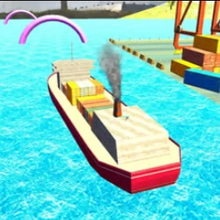
On Kiz10.com, Car Cargo Ship Simulator Game turns transport work into a two-part driving challenge. One moment you are handling cars, jeeps, and vehicles on land. The next, you are piloting a cargo ship between islands and port facilities. That mix gives the game a different flavor from ordinary car parking games. It is not only about squeezing into a space. It is about completing a full delivery route from land to sea and back to land again.
The fun comes from precision. You need patience to load the cars correctly, control to keep the ship away from collisions, and enough speed to finish the mission before time becomes a problem. It is a simulator game with slow tension, where a small steering mistake can grow into a big delay.
𝗟𝗢𝗔𝗗𝗜𝗡𝗚 𝗧𝗛𝗘 𝗖𝗔𝗥𝗦 𝗜𝗦 𝗧𝗛𝗘 𝗙𝗜𝗥𝗦𝗧 𝗥𝗘𝗔𝗟 𝗧𝗘𝗦𝗧 🅿️
The land driving sections are all about careful control. You start by moving vehicles toward the loading area, using forward, reverse, and steering to place each one where it needs to go. It sounds like basic driving, but cargo loading has a special kind of pressure. The ramp is narrow. The deck is not a giant empty parking lot. The vehicle needs to line up cleanly, and if you turn too sharply or rush too hard, the whole setup can fall apart.
Good parking in Car Cargo Ship Simulator Game is not about speed first. It is about angle. Approach the ramp straight when possible. Use small steering corrections. Reverse when needed instead of forcing a bad line. A clean entry saves more time than a rushed crash. That is the kind of lesson the game teaches quickly.
The controls are familiar, which helps. W or Arrow Up moves forward, S or Arrow Down reverses, A or Arrow Left turns left, and D or Arrow Right turns right. Simple controls, serious consequences. The car may be smaller than the ship, but the loading phase can be just as demanding because every vehicle needs to arrive safely before the ocean part begins.
𝗧𝗛𝗘 𝗦𝗛𝗜𝗣 𝗜𝗦 𝗡𝗢𝗧 𝗔 𝗦𝗣𝗢𝗥𝗧𝗦 𝗖𝗔𝗥, 𝗣𝗟𝗘𝗔𝗦𝗘 𝗦𝗧𝗢𝗣 𝗧𝗥𝗘𝗔𝗧𝗜𝗡𝗚 𝗜𝗧 𝗟𝗜𝗞𝗘 𝗢𝗡𝗘 🌊
Once the vehicles are loaded, the game changes completely. Now you are controlling a cargo ship, and ships do not move like cars. They are heavier, slower, wider, and much less interested in sudden decisions. If you steer late, the ship keeps drifting. If you turn too aggressively, correcting the route takes time. If you approach the dock badly, the port suddenly looks much smaller than it did from far away.
That difference is what makes the simulator interesting. You use similar controls, but the feeling changes. A car responds quickly. A cargo ship needs planning. You need to look ahead, begin turns earlier, and give yourself enough room near docks, islands, and port walls. The ship asks for patience. It also punishes overconfidence, which is fair, because nobody should be overconfident while steering a giant vessel full of cars.
Navigating through ports gives the game a calm but tense rhythm. The water looks open, but the real challenge is controlling the ship where space becomes tight. Docking becomes the final exam. You have already loaded the cargo. You have crossed the route. Now the delivery only counts if you bring everything in safely.
𝗧𝗜𝗠𝗘 𝗣𝗥𝗘𝗦𝗦𝗨𝗥𝗘 𝗠𝗔𝗞𝗘𝗦 𝗖𝗔𝗥𝗘𝗙𝗨𝗟 𝗗𝗥𝗜𝗩𝗜𝗡𝗚 𝗙𝗘𝗘𝗟 𝗗𝗔𝗡𝗚𝗘𝗥𝗢𝗨𝗦 ⏱️
Car Cargo Ship Simulator Game becomes more exciting because time matters. If there were no timer, you could creep through every mission like a sleepy turtle with a shipping license. But the clock forces decisions. You need to load fast enough, sail accurately, and dock without wasting too many seconds. That creates a strong balance between caution and speed.
Rushing is tempting. It is also how ramps become enemies. The best players learn to move efficiently without losing control. On land, that means lining up vehicles properly before accelerating. At sea, it means planning turns early and avoiding wide mistakes that cost more time later. Every second counts, but crashing wastes far more time than slowing down for a clean maneuver.
This makes the game rewarding for players who enjoy parking games, ship simulator games, cargo transport games, driving missions, and time management challenges. It is not a pure racing game. It is a control game. The satisfaction comes from completing the job smoothly, not from smashing the accelerator and hoping the dock moves out of sympathy.
𝗘𝗔𝗖𝗛 𝗠𝗜𝗦𝗦𝗜𝗢𝗡 𝗔𝗗𝗗𝗦 𝗔 𝗟𝗜𝗧𝗧𝗟𝗘 𝗠𝗢𝗥𝗘 𝗧𝗥𝗢𝗨𝗕𝗟𝗘 🧭
As levels progress, the tasks become more demanding. Parking spots can get tighter. Routes can become harder. More vehicles may need handling. The sea route may require better navigation. The game slowly asks you to improve both halves of your skill set: land driving and ship control.
That progression keeps the loop fresh. Load cars, sail, deliver, repeat. It sounds repetitive, but the challenge changes because the details change. A slightly tighter ramp can make loading harder. A more awkward dock can make sailing stressful. A mission with multiple vehicles can test how well you manage time. Small changes create new pressure.
The best thing is that the mission structure always stays clear. You know what the game wants: move the vehicles, captain the ship, deliver the cargo. The challenge is doing it without turning the port into a comedy of errors.
𝗛𝗢𝗪 𝗧𝗢 𝗗𝗘𝗟𝗜𝗩𝗘𝗥 𝗟𝗜𝗞𝗘 𝗔 𝗣𝗥𝗢 🚢
The best strategy is to treat every movement as preparation for the next one. When loading a vehicle, think about the ramp before you reach it. Straighten the car early. Use reverse instead of forcing a bad angle. Small corrections are safer than dramatic last-second turns.
When steering the ship, look far ahead. Begin turning before the dock or obstacle is already too close. Big vessels need space, and the safest route is usually the one that avoids emergency corrections. If you enter a port too fast, you may not have enough time to adjust. Slow control beats messy speed.
Use the mouse for menus and mission buttons, but once the driving starts, stay focused on the vehicle’s response. The same directional controls may handle both cars and ships, but they do not feel the same. Respect that difference and the missions become much easier.
𝗪𝗛𝗬 𝗖𝗔𝗥 𝗖𝗔𝗥𝗚𝗢 𝗦𝗛𝗜𝗣 𝗦𝗜𝗠𝗨𝗟𝗔𝗧𝗢𝗥 𝗚𝗔𝗠𝗘 𝗙𝗜𝗧𝗦 𝗢𝗡 𝗞𝗜𝗭𝟭𝟬 🌟
Car Cargo Ship Simulator Game is a great choice for players who enjoy driving simulators, parking games, cargo delivery games, ship navigation, transport missions, and realistic control challenges. It gives you more than one type of gameplay, which makes it stand out. You are not only a driver. You are also a captain, a loader, and the person responsible when the cargo ship gets embarrassingly close to the dock.
On Kiz10.com, the game works well for quick but focused sessions. Each mission gives a clear transport job, and every stage tests control in a practical way. Drive the cars, load the ship, sail between islands, dock carefully, and deliver the fleet before time runs out.
If you like games where precision matters more than chaos, this is a strong pick. The ocean is wide, the ship is heavy, the cars need loading, and the port is waiting. Now prove you can handle the full delivery from ramp to island. 🚗




















 Share
Share
 Embed
Embed