𝗧𝗛𝗘 𝗖𝗔𝗠𝗣 𝗟𝗢𝗢𝗞𝗦 𝗦𝗠𝗔𝗟𝗟 𝗨𝗡𝗧𝗜𝗟 𝗧𝗛𝗘 𝗧𝗔𝗡𝗞𝗦 𝗥𝗢𝗟𝗟 𝗢𝗨𝗧 🪖
World War Camp Company starts with the blue army holding its ground against a red invasion that is not exactly asking for permission. The battlefield is clear, the colors are clear, and the job is even clearer: build your military camp, strengthen your soldiers, unlock better gear, and push the enemy back one fight at a time. No long speeches. No complicated politics. Just troops, vehicles, helmets, upgrades, and that satisfying moment when your army finally breaks through a line that looked impossible ten minutes earlier.
The game works because it gives the base real importance. Your camp is not just a menu you visit between battles. It is where victory is prepared. Before your soldiers charge forward, before a jeep cuts through the field, before a tank starts turning enemy formations into scrap, your camp decides how ready you are. A weak base sends troops into trouble. A better base sends a company that can actually survive the next wave.
On Kiz10.com, World War Camp Company feels like a fast military progression game with action always waiting around the corner. You collect gold and silver helmets, use them to improve soldiers and vehicles, unlock stronger equipment, and keep moving through different locations filled with tougher red enemies. The loop is simple, but it has that good “upgrade and return stronger” feeling. You lose ground, improve, come back, and suddenly the same enemy that bullied you before becomes target practice.
𝗛𝗘𝗟𝗠𝗘𝗧𝗦 𝗔𝗥𝗘 𝗡𝗢𝗧 𝗦𝗢𝗨𝗩𝗘𝗡𝗜𝗥𝗦, 𝗧𝗛𝗘𝗬 𝗔𝗥𝗘 𝗧𝗛𝗘 𝗪𝗔𝗥 𝗕𝗨𝗗𝗚𝗘𝗧 💰
Gold and silver helmets are the fuel behind almost everything. You collect them during your campaign, then turn them into better stats, stronger troops, improved vehicles, and visual upgrades that make your army feel more personal. They may look like rewards, but they are really the difference between a camp that survives and a camp that gets flattened by the next giant enemy.
This makes every battle useful. Even when a fight feels messy, the helmets you gather can help your next attempt. Maybe your infantry needs more strength. Maybe the tank is falling behind. Maybe the jeep needs a boost so it can keep pressure on enemy lines. Whatever the problem is, the answer usually starts with spending resources in the right place.
The mistake is treating upgrades like decoration. In World War Camp Company, outdated gear gets exposed quickly. If enemies start taking too long to defeat, your damage is behind. If your army collapses before it reaches the enemy flag, your durability needs attention. If vehicles feel like toys against stronger opponents, it is time to invest. The battlefield gives feedback. Sometimes with bullets. Sometimes with a giant enemy stepping into view like the game just cleared its throat.
𝗬𝗢𝗨 𝗔𝗥𝗘 𝗡𝗢𝗧 𝗝𝗨𝗦𝗧 𝗛𝗜𝗥𝗜𝗡𝗚 𝗦𝗢𝗟𝗗𝗜𝗘𝗥𝗦, 𝗬𝗢𝗨 𝗔𝗥𝗘 𝗕𝗨𝗜𝗟𝗗𝗜𝗡𝗚 𝗔 𝗖𝗢𝗠𝗣𝗔𝗡𝗬 🔥
Hiring squads gives the game its army-building rhythm. One hero can look brave, but a real push needs soldiers behind it. Fighters help you hold pressure, absorb danger, and keep the attack moving when enemies start coming in thicker groups. The more your squad improves, the less the battle feels like a desperate rush and the more it feels like an organized assault.
There is a nice sense of growth in watching the blue side become stronger. At first, your troops may feel basic, almost fragile. A few upgrades later, they stay alive longer, hit harder, and give you enough breathing room to focus on bigger threats. That is the moment the game starts clicking. You are not just surviving levels. You are turning a basic camp into a real military machine.
Squad balance matters. If you only chase attack power, enemies may cut through your line before your damage can matter. If you only focus on survival, fights can drag on too long. The best army has enough strength to push and enough toughness to keep pushing when the red side refuses to fall back.
𝗝𝗘𝗘𝗣𝗦 𝗔𝗥𝗘 𝗙𝗔𝗦𝗧, 𝗧𝗔𝗡𝗞𝗦 𝗔𝗥𝗘 𝗟𝗢𝗨𝗗, 𝗕𝗢𝗧𝗛 𝗔𝗥𝗘 𝗨𝗦𝗘𝗙𝗨𝗟 🚙
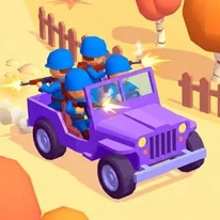
Vehicles give World War Camp Company a heavier feel. Jeeps bring speed and aggression, helping your army break forward and keep the enemy under pressure. Tanks bring armor, weight, and that wonderful battlefield message that says, “Please move, or be moved.” Both have a place, and both become more important as the campaign becomes harder.
A jeep can help you keep momentum. It feels sharp, fast, and useful when you need quick pressure. A tank is different. It is slower, heavier, and built for moments where the enemy line needs something more persuasive than infantry. Upgrading vehicles is not optional once the red army starts bringing stronger resistance. A tank that looked powerful early can become painfully average if you let it fall behind.
The smart move is to upgrade vehicles before they feel useless, not after. If you wait until a stage becomes impossible, you are already paying for old decisions. Keep the motor pool alive. A strong jeep helps you move. A strong tank helps you break. Together, they make your company feel like it has teeth.
𝗚𝗜𝗔𝗡𝗧 𝗘𝗡𝗘𝗠𝗜𝗘𝗦 𝗔𝗥𝗘 𝗧𝗛𝗘 𝗚𝗔𝗠𝗘 𝗔𝗦𝗞𝗜𝗡𝗚 “𝗗𝗜𝗗 𝗬𝗢𝗨 𝗨𝗣𝗚𝗥𝗔𝗗𝗘 𝗢𝗥 𝗝𝗨𝗦𝗧 𝗛𝗢𝗣𝗘?” 😬
Every few levels, bigger and tougher enemies appear to check your progress. They are not there to be polite. They are there to expose weak upgrades, lazy spending, and armies that looked good only against smaller targets. When a giant opponent arrives, the fight changes immediately. Your troops need staying power. Your vehicles need impact. Your camp needs to have done its homework.
These large enemies are useful because they give the game milestones. They make you feel the difference between “I have been playing” and “I have been preparing.” If your upgrades are in good shape, taking down a giant enemy feels satisfying. If they are not, the battle becomes a very clear message: go back, earn more helmets, improve your company, and return with something heavier.
This is where the progression loop becomes strongest. The game is not only asking you to win easy fights. It asks you to build enough power to handle spikes in difficulty. That makes each upgrade feel like preparation for a future problem, not just a number going up for no reason.
𝗖𝗨𝗦𝗧𝗢𝗠𝗜𝗭𝗜𝗡𝗚 𝗬𝗢𝗨𝗥 𝗛𝗘𝗥𝗢 𝗠𝗔𝗞𝗘𝗦 𝗧𝗛𝗘 𝗪𝗔𝗥 𝗙𝗘𝗘𝗟 𝗟𝗘𝗦𝗦 𝗚𝗘𝗡𝗘𝗥𝗜𝗖 🎬
Hero customization gives the campaign a little personality. Your commander is not just a nameless figure walking with the troops. You can change the look and stand out while leading the blue army forward. It is a small touch, but it matters because progression feels better when your army and hero start looking like they belong to you.
The action movie flavor fits the game well. There is something fun about building a camp, rolling out vehicles, upgrading fighters, and pushing through enemy forces with a hero who looks ready for the poster. Style will not win the battle alone, but it makes each victory feel more personal.
That personal touch also helps between fights. You are not only improving stats; you are shaping the identity of your side. The blue army becomes your army. The camp becomes your base. The hero becomes the face of every push into red territory. Simple, but effective.
𝗘𝗔𝗖𝗛 𝗡𝗘𝗪 𝗟𝗢𝗖𝗔𝗧𝗜𝗢𝗡 𝗦𝗛𝗢𝗪𝗦 𝗪𝗛𝗘𝗧𝗛𝗘𝗥 𝗧𝗛𝗘 𝗖𝗔𝗠𝗣 𝗜𝗦 𝗥𝗘𝗔𝗗𝗬 🌍
Moving through different scenarios keeps the game from feeling stuck. The war expands, the enemies change, and the difficulty rises. Each new place feels like another test for your troops, vehicles, and upgrade choices. If you have been investing well, the army keeps moving. If not, the next location may feel like running into a wall painted red.
That travel gives the campaign a sense of conquest. You are not only fighting isolated battles. You are pushing forward through enemy territory. A stronger camp opens the way to harder areas. Better vehicles make new fights possible. Upgraded soldiers keep the blue advance alive. The map becomes a ladder, and every win puts your company one step higher.
The best part is that progress remains visible. You can feel when your army has improved. Enemies that once slowed you down fall faster. Vehicles last longer. Giant threats become less terrifying. That is what makes the game satisfying: the improvement is not abstract. You see it in battle.
𝗪𝗜𝗡𝗡𝗜𝗡𝗚 𝗕𝗘𝗚𝗜𝗡𝗦 𝗕𝗘𝗙𝗢𝗥𝗘 𝗧𝗛𝗘 𝗙𝗜𝗚𝗛𝗧 🧠
The strongest strategy is to keep your upgrades balanced. Spend helmets regularly, but do not throw them at random improvements. If enemies are overwhelming your troops, improve defense or squad strength. If battles are dragging, increase damage. If vehicles are falling behind, invest in jeeps and tanks before the next difficulty spike.
Do not ignore the base. A good camp keeps the whole army moving forward. Think of it as the place where every future victory is built. The battle may look like the main event, but the camp is where the war is actually won.
Prepare for giant enemies early. If the last normal stages already felt difficult, the next big enemy will not magically be easier. Upgrade before the problem arrives. Logistics may sound boring, but in World War Camp Company, logistics is the difference between rolling forward and watching your troops get folded like paper helmets.
𝗧𝗛𝗘 𝗕𝗟𝗨𝗘 𝗔𝗥𝗠𝗬 𝗗𝗢𝗘𝗦 𝗡𝗢𝗧 𝗪𝗜𝗡 𝗕𝗬 𝗔𝗖𝗖𝗜𝗗𝗘𝗡𝗧 🏆
World War Camp Company is great for players who enjoy military action, army upgrades, base development, squad battles, tank games, red-versus-blue combat, and simple but rewarding progression. It does not bury the player under confusing systems. It gives you clear goals: collect helmets, improve the camp, strengthen the army, defeat red invaders, and keep advancing.
On Kiz10.com, it works well because every session gives quick progress. You can fight a few battles, collect resources, upgrade equipment, customize your hero, unlock better vehicles, and immediately feel stronger in the next push. The game keeps the energy moving without making the strategy feel heavy.
Build the camp. Hire the squads. Upgrade the jeeps. Roll out the tanks. Keep the helmet supply flowing and lead the blue troops through every battlefield until the red army has nowhere left to stand. In World War Camp Company, bravery starts the battle, but preparation wins it.





 Share
Share
 Embed
Embed