𝗧𝗛𝗘 𝗥𝗢𝗔𝗗 𝗜𝗦 𝗡𝗢𝗧 𝗬𝗢𝗨𝗥 𝗙𝗥𝗜𝗘𝗡𝗗, 𝗔𝗡𝗗 𝗧𝗛𝗔𝗧 𝗜𝗦 𝗘𝗫𝗔𝗖𝗧𝗟𝗬 𝗪𝗛𝗬 𝗜𝗧 𝗜𝗦 𝗙𝗨𝗡 🐔
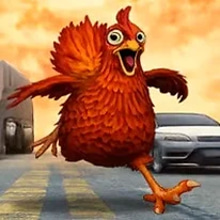
Chicken Royale takes a very familiar arcade fantasy and gives it a sharper little twist. You are a chicken, traffic is relentless, and survival depends on reading motion better than the vehicles do. On paper, that sounds almost too clean to be interesting. Then the first bus tears across your screen, you hesitate for half a second, pull back at the last possible moment, and suddenly the whole game makes perfect sense. This is not a casual walk across the road. It is timing, nerve, and a tiny war between instinct and impatience.
That is why it works so well on Kiz10. It fits beautifully into the kind of quick arcade experience that looks simple enough to start instantly but still punishes sloppy rhythm. Every safe crossing feels earned because the roads are not random decoration. They are active pressure. Cars, buses, trucks, all of them turn the asphalt into a moving puzzle that keeps changing faster the longer you survive. The game understands one crucial thing: a traffic-dodging arcade game becomes much better the moment the player has a reason to hesitate. Chicken Royale gives you that reason constantly.
𝗬𝗢𝗨 𝗔𝗥𝗘 𝗡𝗢𝗧 𝗝𝗨𝗦𝗧 𝗠𝗢𝗩𝗜𝗡𝗚 𝗙𝗢𝗥𝗪𝗔𝗥𝗗. 𝗬𝗢𝗨 𝗔𝗥𝗘 𝗡𝗘𝗚𝗢𝗧𝗜𝗔𝗧𝗜𝗡𝗚 𝗪𝗜𝗧𝗛 𝗣𝗔𝗡𝗜𝗖 🚦
One of the smartest mechanics in Chicken Royale is the forward-and-backward control system. Hold to move ahead, release to step back. That sounds like a small detail, but it changes everything. A lot of road-crossing games are built around commitment. Once you move, you move. Here, the game lets you rethink. That means a near-disaster can still become a save if your reactions stay calm enough. It also means the game becomes much more about rhythm than pure momentum.
This is what gives the chicken real personality as a playable character. You are not a helpless runner being dragged through traffic. You are controlling hesitation itself. See the opening, move into it, then retreat if the timing goes bad. That mechanic creates a nice push-pull feeling in every lane. Sometimes progress means pressing ahead confidently. Other times survival means instantly backing off because a truck has just turned your brilliant plan into nonsense.
That little reverse mechanic is a huge strength because it adds depth without making the controls messy. It keeps the game readable, fast, and much more skillful than a one-direction arcade dash.
𝗧𝗥𝗔𝗙𝗙𝗜𝗖 𝗜𝗦 𝗧𝗛𝗘 𝗥𝗘𝗔𝗟 𝗕𝗢𝗦𝗦, 𝗡𝗢𝗧 𝗦𝗣𝗘𝗘𝗗 🚌
Chicken Royale gets much of its tension from how it handles vehicles. The road is not just busy. It is layered. Sports cars flash by with one kind of timing. Trucks lumber through with another. Buses feel like giant moving walls that punish hesitation and greed equally. That variety helps a lot because it keeps the lanes from blending into one repetitive pattern. You are not simply watching for “traffic.” You are learning how different threats move, how much room they leave, and when a gap is real versus when it only looks real for half a second.
That makes the gameplay feel more alive. A fast lane and a heavy lane create totally different moods. One demands courage. The other demands patience. The best runs come when you start reading the road like a rhythm sheet instead of a wall of danger. Once you do that, the game becomes much more satisfying. It stops being random chaos and starts feeling like controlled risk.
And because the density increases as you go farther, the game never lets you fully relax. Early success is nice, but it also lures you into the later phase where traffic becomes the kind of problem that punishes overconfidence immediately.
𝗧𝗛𝗘 𝗕𝗘𝗦𝗧 𝗠𝗢𝗩𝗘 𝗜𝗦 𝗢𝗙𝗧𝗘𝗡 𝗪𝗔𝗜𝗧𝗜𝗡𝗚, 𝗪𝗛𝗜𝗖𝗛 𝗜𝗦 𝗪𝗛𝗬 𝗧𝗛𝗘 𝗚𝗔𝗠𝗘 𝗚𝗘𝗧𝗦 𝗜𝗡𝗧𝗢 𝗬𝗢𝗨𝗥 𝗛𝗘𝗔𝗗 ⏱️
This is where Chicken Royale becomes more interesting than a plain reflex test. The game is constantly teaching you that movement is not always the answer. Sometimes the smartest chicken is the one who does nothing for one more beat. That creates a very fun internal conflict because arcade games usually tempt players to stay aggressive. Here, that aggression can get you flattened.
The result is a nicer kind of tension. You are always deciding whether the gap is truly safe, whether the next lane will still be open by the time you reach it, and whether you should commit or back away. Those micro-decisions are what make the game sticky. You always feel like a death was avoidable, which means every loss feeds immediately into the next attempt. “No, no, I saw that bus too late.” “I should have waited one more second.” That kind of self-correction is the fuel that keeps short arcade games alive.
Chicken Royale seems to understand that really well. It wants you to feel like improvement is always possible, even when the asphalt is telling a very different story.
𝗧𝗛𝗘 𝗣𝗘𝗥𝗞𝗦 𝗔𝗡𝗗 𝗕𝗢𝗢𝗦𝗧𝗦 𝗞𝗘𝗘𝗣 𝗧𝗛𝗘 𝗥𝗢𝗔𝗗 𝗙𝗥𝗢𝗠 𝗙𝗘𝗘𝗟𝗜𝗡𝗚 𝗙𝗟𝗔𝗧 ⚡
Special boosts and temporary perks are another strong touch. A game like this benefits from little bursts of momentum, because they give individual runs more shape. Instead of every attempt feeling identical, those extra tools create spikes of opportunity. A well-timed speed boost can turn a cautious crossing game into something much more explosive for a moment, and that contrast helps the pace a lot.
The important thing is that the boosts do not replace skill. They spice up the run, but traffic still owns the road. That is the right balance. Power-ups should feel exciting, not like a free pass through the entire challenge. In Chicken Royale, they seem to function more like chances to stretch a good run farther rather than excuses to ignore the timing system.
That helps the arcade loop stay lively. Runs have little highs and lows instead of one flat pressure line, and that always makes score-chasing more fun.
𝗣𝗢𝗜𝗡𝗧𝗦 𝗙𝗘𝗘𝗟 𝗕𝗘𝗧𝗧𝗘𝗥 𝗪𝗛𝗘𝗡 𝗘𝗩𝗘𝗥𝗬 𝗟𝗔𝗡𝗘 𝗖𝗢𝗨𝗟𝗗 𝗘𝗡𝗗 𝗬𝗢𝗨 🏁
The scoring structure in games like this is deceptively powerful. Cross one curb, feel good. Cross another, feel smarter. Survive long enough for the road to become truly ugly, and suddenly every little gain starts feeling heroic. Chicken Royale seems built for exactly that kind of reward loop. The player is always balancing greed and safety. Move quickly and score more. Move carelessly and become a cautionary tale.
That is why the runs stay memorable. A near miss can matter just as much emotionally as a point gain. The game keeps building those tiny dramatic moments where you squeeze through a lane that looked impossible and land on the next curb feeling much better at life than you were three seconds ago. Then the next road appears and humbles you again. Perfect.
It is also ideal for short sessions because the loop is so immediate. You do not need a long warm-up. The tension starts right away, and the next retry is always one click away.
𝗪𝗛𝗬 𝗖𝗛𝗜𝗖𝗞𝗘𝗡 𝗥𝗢𝗬𝗔𝗟𝗘 𝗙𝗜𝗧𝗦 𝗞𝗜𝗭𝟭𝟬 𝗦𝗢 𝗪𝗘𝗟𝗟 🏆
On kiz10.com, Chicken Royale feels like a natural fit for players who enjoy arcade survival, traffic-dodging reflex games, one-touch timing systems, and short, replayable browser sessions. Kiz10 already carries other chicken-focused reflex and runner games like Chicken Banana Run, Chicken Wild Run, and Chicken Jump Bloody Winter Edition, which makes Chicken Royale feel right at home in that fast, funny, high-retry space.
What gives Chicken Royale its edge is the reverse mechanic. That one choice turns a straightforward crossing game into something more thoughtful. You are not just reacting. You are negotiating with the road, lane by lane, trying to decide when courage matters and when restraint saves the run. That gives the game more personality than a standard tap-dodge arcade title.
Chicken Royale is bright, tense, and very good at making “just one more road” feel important. If you like survival games built on rhythm, traffic patterns, and split-second judgment, this one has exactly the kind of arcade bite that works beautifully in the browser.



 2 (157 votes)
 Share
Share
 Embed
Embed