𝗧𝗛𝗘 𝗖𝗜𝗧𝗬 𝗗𝗢𝗘𝗦 𝗡𝗢𝗧 𝗦𝗟𝗢𝗪 𝗗𝗢𝗪𝗡 𝗙𝗢𝗥 𝗬𝗢𝗨 🏍️⏱️
Courier Rush lives on a fantastic little promise: the dispatcher asks if you can deliver something across the city in one minute, and your answer is always yes, even when common sense is clearly trying to file a complaint. That setup gives the whole game its energy immediately. You are not just driving around an empty map pretending to be busy. You are a courier in a city that actually feels active, structured, and slightly impatient. Traffic lights work. Cars stop at red lights. Ambulances cut through lanes. Side streets, alleys, tunnels, ramps, and roundabouts keep offering opportunities and disasters in equal measure. The game is framed as a 3D city courier experience built around timed deliveries, route choice, and constant movement.
That is why it fits Kiz10 so well. It takes the familiar appeal of a city driving game and gives it a more urgent identity. This is not a relaxed delivery sim where you drift peacefully toward a pin on the map. It is a countdown race through a living urban maze, where every turn asks the same question: do you take the obvious road, or gamble on the shortcut and trust your instincts? Kiz10 already features other delivery-focused driving games like Open World Delivery Simulator, which shows the site has room for route-planning vehicle games, but Courier Rush pushes that formula into something much faster and more pressurized.
𝗘𝗩𝗘𝗥𝗬 𝗗𝗘𝗟𝗜𝗩𝗘𝗥𝗬 𝗜𝗦 𝗔 𝗟𝗜𝗧𝗧𝗟𝗘 𝗨𝗥𝗕𝗔𝗡 𝗣𝗨𝗭𝗭𝗟𝗘 🧠🌆
The basic run cycle is simple in the best possible way. Pick up a package from the street, follow the blue marker to the destination, watch the timer over the parcel, deliver it inside the blue zone, grab the next one, and do it all again. But what makes Courier Rush interesting is that the city is not a straight line between those steps. It is a moving puzzle. Intersections force choices. Alleys tease you with time-saving potential. Tunnels promise speed but can also trap sloppy steering. Ramps turn the whole route into a gamble between style and disaster. The Kiz10 description of Open World Delivery Simulator similarly emphasizes a big city and courier missions, but Courier Rush’s key difference is how tightly it wraps all of that around time pressure and repeated fast decisions.
That pressure creates a very satisfying rhythm. You are always balancing speed against stability. Arrive fast and the payout grows. Miss the deadline and the delivery still counts, but the bonus disappears. That system is smart because it keeps failure from feeling completely wasted while still rewarding skill. It encourages risk without making the game cruelly all-or-nothing. In practice, that means each run feels meaningful whether you barely survive or absolutely fly through traffic like your courier has replaced sleep with adrenaline. The game’s own structure makes that clear: faster deliveries increase your tier and improve the reward.
𝗧𝗛𝗘 𝗖𝗜𝗧𝗬 𝗙𝗘𝗘𝗟𝗦 𝗕𝗘𝗧𝗧𝗘𝗥 𝗕𝗘𝗖𝗔𝗨𝗦𝗘 𝗜𝗧 𝗙𝗘𝗘𝗟𝗦 𝗥𝗘𝗦𝗣𝗢𝗡𝗦𝗜𝗩𝗘 🚦🚑
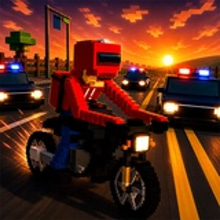
A lot of browser driving games throw a few cars on the road and call it “traffic.” Courier Rush seems more interested in making the streets feel like an actual system. Traffic lights matter. Civilian vehicles behave around them. Emergency traffic changes the flow. That does a lot for immersion because it means the player is not just driving through decoration. They are navigating a city that has its own behavior. The game description specifically highlights functioning traffic lights, ambulances moving through the opposite lane, and a road network full of urban features rather than a plain obstacle course.
That matters because good delivery games are not only about speed. They are about reading the environment. The more alive the city feels, the more route choice starts to matter emotionally. A shortcut is not just a mechanical lane change. It becomes a decision taken inside a system that might react in messy ways. That is where Courier Rush gets much of its personality. It is not merely “go fast.” It is “go fast in a city that is busy enough to make fast feel dangerous.”
𝗦𝗛𝗢𝗥𝗧𝗖𝗨𝗧𝗦 𝗔𝗥𝗘 𝗪𝗛𝗘𝗥𝗘 𝗧𝗛𝗘 𝗚𝗢𝗢𝗗 𝗥𝗨𝗡𝗦 𝗕𝗘𝗚𝗜𝗡 𝗔𝗡𝗗 𝗘𝗡𝗗 🛣️⚡
One of the strongest pieces of design here is that the best path is not always the cleanest one. At intersections, you can choose the regular road or slip through an alley. That tiny decision becomes the emotional core of the game. Every courier fantasy needs this. The feeling that the city contains secret answers if you are brave or reckless enough to trust them. When a shortcut works, the whole delivery feels fantastic. When it does not, you feel the cost instantly because the timer was never going to forgive you. The game description directly calls out these route choices as part of the main run cycle.
This is why the game feels more dynamic than a standard checkpoint racer. A racer often asks whether you can drive the line. Courier Rush asks whether you can invent the line. That little shift makes the city more interesting. It encourages experimentation and makes the player feel smarter when a route works out cleanly. Kiz10’s motorbike games page broadly positions two-wheeled games around control and speed, and Courier Rush fits that category while adding a stronger urban navigation identity.
𝗬𝗢𝗨𝗥 𝗕𝗜𝗞𝗘 𝗜𝗦 𝗧𝗛𝗘 𝗝𝗢𝗕, 𝗕𝗨𝗧 𝗔𝗟𝗦𝗢 𝗧𝗛𝗘 𝗕𝗨𝗜𝗟𝗗 🛠️🏍️
Progression is another big reason Courier Rush looks sticky. The game is not only about finishing deliveries. It is about what those deliveries fund. Between runs, you can head to the Garage to buy or upgrade your bike and change how it looks. That turns the courier loop into a real growth system. Faster jobs lead to better payouts. Better payouts lead to stronger equipment. Better equipment supports riskier, higher-level deliveries. The description explicitly says you can upgrade your bike and customize its appearance between deliveries.
That sort of upgrade path matters because it gives every successful run a second life. The city becomes easier to read over time, but your vehicle also becomes more yours. It stops being a neutral tool and starts feeling like an extension of your approach. Some players will chase raw efficiency. Others will care more about style. Good courier games allow both instincts to live together.
𝗧𝗛𝗘 𝗚𝗔𝗠𝗘 𝗞𝗡𝗢𝗪𝗦 𝗧𝗛𝗔𝗧 𝗔 𝗛𝗨𝗦𝗧𝗟𝗘 𝗦𝗛𝗢𝗨𝗟𝗗 𝗚𝗥𝗢𝗪 🍔💵
One of the more interesting details is the diner side business. Courier Rush is not content with just making you a fast rider. It also gives you a broader progression fantasy. You can level up the diner, unlock menu items, and hire couriers for passive income. That is a smart addition because it turns the game from a pure action loop into a larger work-and-growth loop. The description clearly says the diner can be upgraded and used to hire couriers who generate passive income.
That passive layer is important. It means the game has room for both active adrenaline and longer-term development. Quick deliveries keep the moment-to-moment excitement high, while the diner and profile systems make the broader career feel like it is moving somewhere. Achievements, daily quests, and leaderboards reinforce that feeling by giving players more than one reason to return. The game explicitly lists achievements, daily quests, and leaderboard tracking in the profile area.
𝗖𝗨𝗦𝗧𝗢𝗠𝗜𝗭𝗔𝗧𝗜𝗢𝗡 𝗚𝗜𝗩𝗘𝗦 𝗧𝗛𝗘 𝗖𝗜𝗧𝗬 𝗔 𝗠𝗢𝗥𝗘 𝗣𝗘𝗥𝗦𝗢𝗡𝗔𝗟 𝗥𝗛𝗬𝗧𝗛𝗠 🪖🎨
Courier Rush also benefits from giving players more than a machine to upgrade. Character customization lets you change the rider’s outfit, and the bike editor goes even further by allowing you to create a unique bike from scratch or modify an existing one. That kind of customization is perfect for a city courier fantasy because the work becomes a style statement, not just a task list. The game description specifically mentions character appearance changes and a dedicated editor for building or modifying a bike.
This matters because the more the player feels ownership over the courier, the more the city starts feeling like a personal route network instead of a generic map. Visual identity is a huge part of how sandbox-flavored driving games stay appealing across many short sessions. Even if the gameplay loop is simple, the ability to shape your rider and vehicle gives the repetition a stronger emotional hook.
𝗪𝗛𝗬 𝗖𝗢𝗨𝗥𝗜𝗘𝗥 𝗥𝗨𝗦𝗛 𝗙𝗜𝗧𝗦 𝗞𝗜𝗭𝟭𝟬 𝗦𝗢 𝗪𝗘𝗟𝗟 🌟
Courier Rush is a very good match for players who enjoy bike driving games, timed delivery games, city route-planning challenges, and browser titles that combine quick missions with upgrade-heavy progression. Kiz10 already hosts delivery and motorbike content, including Open World Delivery Simulator and broader motorbike categories, which makes Courier Rush feel like a natural extension of those interests with a sharper urban courier identity.
If you like games where every intersection can either save the run or destroy the tip, where the city feels alive enough to matter, and where the payoff of one delivery feeds directly into a stronger next one, Courier Rush should land perfectly. It takes the stress of rush-hour logistics and turns it into something fast, readable, and surprisingly stylish.



 2.5 (160 votes)
 Share
Share
 Embed
Embed