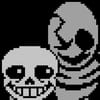
𝗧𝗛𝗜𝗦 💀 𝗜𝗦 𝗡𝗢𝗧 𝗔 𝗡𝗢𝗥𝗠𝗔𝗟 𝗙𝗜𝗚𝗛𝗧
Undertale Last Breath Phase 1 drops you straight into a battle that feels less like a duel and more like a test of nerves. There is no gentle setup, no safe little tutorial zone, no polite moment where the game asks whether you feel ready. It already knows you are not. That is part of the appeal. The fight begins with pressure, and from that moment on, everything depends on how well you can move, react, and stay calm while chaos fills the screen.
On Kiz10, this action game immediately stands out because it lives in that beautiful space between bullet hell challenge and boss survival test. You are not exploring a giant world or building up a long army of upgrades before the real action starts. The action is the point. You control your soul, dodge brutal bone attacks, and try to survive long enough to overcome one of the most intense battle styles in this kind of fangame experience. It is tight, punishing, and extremely hard to ignore once the rhythm of the fight gets inside your head.
𝗦𝗔𝗡𝗦 ⚡ 𝗜𝗦 𝗡𝗢𝗧 𝗛𝗘𝗥𝗘 𝗧𝗢 𝗚𝗜𝗩𝗘 𝗬𝗢𝗨 𝗔 𝗙𝗔𝗜𝗥 𝗖𝗛𝗔𝗡𝗖𝗘
What makes Undertale Last Breath Phase 1 so compelling is the kind of pressure it creates. Sans is not built like a slow boss you study for a while and then casually overpower. He attacks in waves, patterns, and sudden bursts that demand immediate attention. You are always moving, always adjusting, always one bad read away from disaster. That gives the fight a constant edge. Every second feels active.
This is where the game becomes addictive. Failure never feels random for long. The attack that hit you usually makes sense once you calm down and replay it in your head. You moved too early. Too late. Too wide. You got nervous and forgot the pattern. Good boss games live on that feeling. The punishment is real, but so is the sense that improvement is possible. That is why players keep restarting. The fight feels impossible for a moment, then almost manageable, then impossible again, and somewhere inside that cycle the obsession begins.
𝗕𝗢𝗡𝗘𝗦 🦴 𝗔𝗥𝗘 𝗡𝗢𝗧 𝗝𝗨𝗦𝗧 𝗣𝗥𝗢𝗝𝗘𝗖𝗧𝗜𝗟𝗘𝗦, 𝗧𝗛𝗘𝗬 𝗔𝗥𝗘 𝗔 𝗟𝗔𝗡𝗚𝗨𝗔𝗚𝗘
A huge part of the challenge comes from the attack design. The bones are not simply thrown at you in random directions to create noise. They form patterns, lanes, traps, and timing tests that teach the fight its own language. Once you spend enough time with the battle, you start reading those patterns instead of just panicking at them. That shift is very satisfying. It is the moment when the game stops feeling like pure punishment and starts feeling like a conversation between you and the boss.
Of course, it is a very rude conversation. Sans does not exactly communicate with kindness. Still, the structure of the attacks matters a lot. It gives the fight identity. You are not just dodging generic bullets. You are dodging a specific style of threat, one that feels sharp, deliberate, and memorable. That makes every success feel cleaner. You did not survive by luck. You survived because you understood what the battle was trying to do.
𝗬𝗢𝗨𝗥 ❤️ 𝗦𝗢𝗨𝗟 𝗜𝗦 𝗧𝗜𝗡𝗬, 𝗧𝗛𝗘 𝗕𝗢𝗫 𝗜𝗦 𝗧𝗜𝗡𝗬, 𝗔𝗡𝗗 𝗬𝗘𝗧 𝗧𝗛𝗘 𝗣𝗥𝗘𝗦𝗦𝗨𝗥𝗘 𝗙𝗘𝗘𝗟𝗦 𝗛𝗨𝗚𝗘
One of the smartest things about this kind of battle design is how much tension it creates in such a small space. You are moving a soul around a confined area, but emotionally it feels much bigger than that. Every tiny adjustment becomes important. A small hesitation becomes dangerous. A short dash in the wrong direction becomes the entire reason a run falls apart. That compression is what makes the game so intense.
There is something almost funny about how a tiny heart-shaped cursor can carry this much stress. But it works. The limited battle box means the fight is always close, always immediate, always personal. There is no empty space to hide in and no distance to create comfort. The attacks arrive, and your job is to survive them with precision.
That also means the game rewards control more than panic. Wild movement can save you once in a while, but clean movement is what builds consistency. The better you get, the more your dodges begin to feel intentional instead of desperate. That transformation is one of the best parts of the experience.
𝗗𝗜𝗙𝗙𝗜𝗖𝗨𝗟𝗧𝗬 🔥 𝗜𝗦 𝗧𝗛𝗘 𝗪𝗛𝗢𝗟𝗘 𝗣𝗢𝗜𝗡𝗧, 𝗕𝗨𝗧 𝗧𝗛𝗘 𝗚𝗔𝗠𝗘 𝗜𝗦 𝗡𝗢𝗧 𝗧𝗢𝗧𝗔𝗟𝗟𝗬 𝗠𝗘𝗔𝗡
Undertale Last Breath Phase 1 knows it is hard. It does not pretend otherwise. That is part of its identity. But what helps a lot is that the game gives players ways to practice. If the full experience feels too punishing at first, easier options make it possible to learn the movement and pattern logic without getting crushed instantly. That is a very good design choice, because it keeps the fight intense without locking curious players out of the fun.
The simpler training mode and single-attack option are especially useful because they let you study the battle in pieces. Instead of getting buried under the whole storm at once, you can focus on one aspect and sharpen your reactions there. That makes the difficulty feel more honest. The game is still hard, but it gives you tools to get better instead of only asking you to suffer beautifully.
𝗚𝗔𝗦𝗧𝗘𝗥 🌑 𝗔𝗗𝗗𝗦 𝗧𝗛𝗔𝗧 𝗘𝗫𝗧𝗥𝗔 𝗟𝗔𝗬𝗘𝗥 𝗢𝗙 𝗠𝗬𝗦𝗧𝗘𝗥𝗜𝗢𝗨𝗦 𝗣𝗥𝗘𝗦𝗦𝗨𝗥𝗘
The premise behind this phase helps the whole battle feel heavier. Frisk is trapped in a destructive loop, Sans is trying to break it, and Gaster’s involvement adds that extra strange Undertale-style tension fans instantly recognize. Even without a huge story sequence around every second, the fight carries a sense of doom and escalation. It does not feel like a random challenge map. It feels like the opening piece of something bigger and uglier.
That context matters because it gives the attacks emotional weight. You are not simply surviving for a score. You are enduring a trial. The phase feels like an opening statement from a battle that intends to become much worse later, and that makes Phase 1 more effective. It is already difficult, but it also carries the energy of a first descent into something darker.
𝗠𝗢𝗕𝗜𝗟𝗘 📱 𝗔𝗡𝗗 𝗣𝗖 𝗖𝗢𝗡𝗧𝗥𝗢𝗟𝗦 𝗞𝗘𝗘𝗣 𝗧𝗛𝗘 𝗙𝗢𝗖𝗨𝗦 𝗢𝗡 𝗠𝗢𝗩𝗘𝗠𝗘𝗡𝗧
The controls stay close to what this kind of battle needs. On PC, arrow keys handle movement while Enter or Z confirm actions and Shift or X back out. On mobile, swipe movement and the A/B buttons keep the same general rhythm. That familiarity is important because this game cannot afford clumsy input. The challenge is already intense enough. The controls need to disappear into the fight, and they mostly do.
That lets the real focus stay where it belongs: on pattern reading, timing, and nerve. You are not losing because the system is confusing. You are losing because Sans is relentless and your movement is not perfect yet. That is frustrating, yes, but it is also why success feels so good later.
𝗪𝗛𝗬 🎯 𝗨𝗡𝗗𝗘𝗥𝗧𝗔𝗟𝗘 𝗟𝗔𝗦𝗧 𝗕𝗥𝗘𝗔𝗧𝗛 𝗣𝗛𝗔𝗦𝗘 1 𝗙𝗜𝗧𝗦 𝗞𝗜𝗭10 𝗦𝗢 𝗪𝗘𝗟𝗟
Undertale Last Breath Phase 1 fits Kiz10 because it delivers immediate challenge, strong replay value, and that very specific boss-fight obsession loop where every defeat quietly teaches the next attempt. Kiz10 already features several related Undertale and Sans-focused battle games, including Undertale Stronger than You, Undertale Stronger Monster, Undertale Last Breath Phase 3, Bad Apple!! Undertale Fight, and Jotaro Sans Fight, which makes this kind of dodge-heavy boss experience a natural fit for players who enjoy soul-box combat and punishing pattern survival.
If you enjoy bullet-hell action, boss survival games, Undertale-style movement, and challenges that feel brutal but learnable, this one has a lot to offer. It is fast, intense, and built around the kind of improvement curve that makes one more try feel inevitable.





 Share
Share
 Embed
Embed