𝗧𝗛𝗜𝗦 𝗚𝗔𝗥𝗗𝗘𝗡 𝗗𝗢𝗘𝗦 𝗡𝗢𝗧 𝗚𝗥𝗢𝗪 𝗡𝗢𝗥𝗠𝗔𝗟 𝗧𝗛𝗜𝗡𝗚𝗦 🌱🧟
Plants vs Zombies Fusion Nightmare takes the classic idea of defending a suburban lawn and twists it into something darker, stranger, and far less polite. The zombies are no longer walking targets that politely shuffle in straight lines while your plants do all the work. They have changed. They hide, drop from above, hack your defenses, and attack with the kind of confidence that makes an ordinary garden feel completely underprepared.
So the garden changes too.
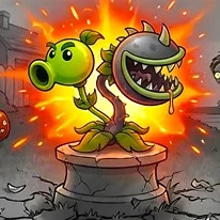
In this tower defense game on Kiz10.com, your real weapon is mutation. You create hybrid plants using DNA fragments, combining plant powers into defensive nightmares of your own. This is not about placing a few familiar defenders and hoping the waves behave. This is about building a mutant defense line, adapting fast, and using every strange plant combination you can create before the zombies break through.
The mood is clear from the start: the old rules are gone. You are not just planting. You are experimenting. Every lane is a test chamber. Every zombie wave is a warning. Every hybrid plant is a possible answer to a problem that is actively trying to eat your house.
𝗣𝗟𝗔𝗡𝗧 𝗗𝗡𝗔 𝗜𝗦 𝗬𝗢𝗨𝗥 𝗡𝗘𝗪 𝗦𝗨𝗡𝗟𝗜𝗚𝗛𝗧 🧬
The fusion system is what gives Plants vs Zombies Fusion Nightmare its bite. Instead of depending only on basic plants, you work with DNA fragments to create stronger, stranger hybrid defenders. These mutant plants are your response to zombies that no longer play fair. If the enemy evolves, your garden has to evolve faster.
That changes the way you think. A normal defense game usually asks where to place a unit. This one also asks what kind of unit you should create in the first place. Do you need something that hits harder? Something that handles air threats? Something that can survive zombie interference? Something fast enough to stop a stealth attack before it becomes a disaster? The answer can change from wave to wave.
The strongest hybrids are not always the most obvious ones. Sometimes a strange combination solves a problem better than raw damage. Sometimes a plant that looks risky becomes the perfect counter to a new zombie type. That is what makes the fusion idea satisfying. You are not only reacting to the invasion. You are designing the defense that should not exist, because normal nature already failed the exam.
𝗧𝗛𝗘 𝗭𝗢𝗠𝗕𝗜𝗘𝗦 𝗛𝗔𝗩𝗘 𝗟𝗘𝗔𝗥𝗡𝗘𝗗 𝗕𝗔𝗗 𝗛𝗔𝗕𝗜𝗧𝗦 ⚠️
The zombies in Plants vs Zombies Fusion Nightmare are dangerous because they do not all attack the same way. Some move with stealth, forcing you to pay attention before a lane suddenly collapses. Some can arrive from above, which makes the battlefield feel less predictable. Others can interfere with your technology, turning your own defense setup into a temporary panic session.
This enemy variety matters. If every zombie behaved the same, one good strategy would carry everything. Here, one strategy can work for a while, then fail loudly when a new threat appears. The game pushes you to stay awake. Watch the lanes. Watch the sky. Watch your defenses. If something feels too quiet, that is probably not peace. That is the game preparing a joke at your expense.
The best players adapt quickly. A stealth threat needs early detection or lane coverage. Flying or dropping enemies need plants that can respond before they land too deep into your setup. Hackers or disruptive zombies need to be stopped before they ruin your strongest tools. Every enemy type teaches a lesson, usually with teeth.
𝗖𝗢𝗦𝗧 𝗔𝗡𝗗 𝗥𝗘𝗖𝗛𝗔𝗥𝗚𝗘 𝗠𝗔𝗞𝗘 𝗘𝗩𝗘𝗥𝗬 𝗣𝗟𝗔𝗖𝗘𝗠𝗘𝗡𝗧 𝗙𝗘𝗘𝗟 𝗛𝗘𝗔𝗩𝗬 ⏳
Mutation is powerful, but it is not free. Managing cost and recharge time is one of the most important parts of Plants vs Zombies Fusion Nightmare. A strong hybrid can save a lane, but if you spend too much too early, another lane may be left helpless. A perfect plant placed too late may not matter. A rushed plant in the wrong spot can waste precious resources and leave you staring at the wave like the lawn betrayed you.
This resource pressure gives the game its strategy. You need to decide when to invest, when to wait, and when to build a cheaper defense just to survive the next push. The temptation is always to create the most powerful hybrid possible, but tower defense games punish greed with great enthusiasm.
Good players think ahead. If recharge time is long, you need to place important hybrids before the emergency reaches your front door. If a plant is expensive, it should cover a real threat, not just look impressive. If a lane is quiet, maybe you can delay spending there. If a lane is overloaded, spend fast or start writing an apology to the neighborhood.
𝗧𝗛𝗘 𝗕𝗘𝗦𝗧 𝗚𝗔𝗥𝗗𝗘𝗡 𝗜𝗦 𝗔 𝗠𝗢𝗡𝗦𝗧𝗘𝗥 𝗙𝗔𝗖𝗧𝗢𝗥𝗬 🧪
The fun of Plants vs Zombies Fusion Nightmare is that your defense can become wonderfully strange. You are not building a clean little flowerbed. You are creating a living wall of hybrid plants designed to answer an invasion that keeps getting worse. It feels less like gardening and more like running a secret laboratory with roots.
This gives each match a sense of experimentation. Try one fusion, see how it handles the wave, then adjust. Build around damage in one lane, control in another, and special counters where dangerous zombies appear. If one setup fails, the next attempt teaches you what was missing. Maybe you needed faster recharge. Maybe you ignored air threats. Maybe you made a beautiful mutant plant that did absolutely nothing where it was placed. It happens. Science is messy.
The best defense usually comes from variety. A garden full of only one kind of hybrid may look organized, but it can break when the wrong zombie type appears. A mixed defense can react to more threats. Think of every plant as part of a squad. Some slow the enemy. Some destroy. Some protect the line. Some exist because the zombies deserve to be confused.
𝗦𝗨𝗥𝗩𝗜𝗩𝗔𝗟 𝗠𝗘𝗔𝗡𝗦 𝗖𝗛𝗔𝗡𝗚𝗜𝗡𝗚 𝗬𝗢𝗨𝗥 𝗣𝗟𝗔𝗡 𝗕𝗘𝗙𝗢𝗥𝗘 𝗜𝗧 𝗕𝗥𝗘𝗔𝗞𝗦 🧠
The biggest mistake is playing the same way every wave. Plants vs Zombies Fusion Nightmare rewards flexible thinking. If zombies are hacking your defenses, protect or replace key structures. If enemies are dropping into dangerous positions, spread your coverage. If stealth zombies keep slipping through, stop focusing only on raw damage and build something that gives you earlier control.
A good strategy starts with observation. Look at how the enemy enters. Notice which lanes are under pressure. Watch your recharge timers. Keep enough resources ready for sudden emergencies. When a new zombie type appears, do not panic-place random hybrids. Think about what it is doing and answer that behavior.
It also helps to build in layers. The first layer slows or weakens the enemy. The second layer deals heavier damage. The back line catches surprises. If everything depends on one powerful plant, a hacker zombie or unlucky timing can ruin your entire setup. A layered garden survives longer because failure in one spot does not instantly become total collapse.
𝗪𝗛𝗬 𝗣𝗟𝗔𝗡𝗧𝗦 𝗩𝗦 𝗭𝗢𝗠𝗕𝗜𝗘𝗦 𝗙𝗨𝗦𝗜𝗢𝗡 𝗡𝗜𝗚𝗛𝗧𝗠𝗔𝗥𝗘 𝗙𝗜𝗧𝗦 𝗢𝗡 𝗞𝗜𝗭𝟭𝟬 🌟
Plants vs Zombies Fusion Nightmare is perfect for players who enjoy tower defense games, zombie strategy games, plant fusion mechanics, hybrid defenders, resource management, lane defense, and tactical survival. It keeps the familiar garden defense feeling but makes everything more dangerous by adding mutation, stealth, aerial threats, hacking zombies, and constant adaptation.
On Kiz10.com, the game works because it gives players a fresh defensive challenge without making the core idea confusing. You still defend territory. You still stop waves. You still protect the lawn. But now every choice feels sharper because the enemy is smarter and your plants are stranger.
Fuse plant DNA, build mutant defenders, watch your costs, respect recharge time, and adapt before the zombies rewrite the rules again. In Plants vs Zombies Fusion Nightmare, nature is not peaceful anymore. It is armed, unstable, and ready to fight back. 🌱





 Share
Share
 Embed
Embed