🌈 𝗙𝗜𝗩𝗘 𝗗𝗔𝗬𝗦, 𝗙𝗜𝗩𝗘 𝗡𝗜𝗚𝗛𝗧𝗦, 𝗔𝗡𝗗 𝗙𝗔𝗥 𝗧𝗢𝗢 𝗠𝗔𝗡𝗬 𝗧𝗘𝗘𝗧𝗛
Rainbow Friends. Survival takes a familiar nightmare and gives it a bright, ugly grin. You are trapped in a dangerous place, the kind of place where nothing feels safe for long and every mission sounds simple right up until a monster appears and turns your whole plan into a sprint. That contrast is what makes the game work. The world looks colorful on the surface, but underneath it is all pressure, panic, and the constant sound of your own bad luck catching up with you.
The setup is clean and effective. Survive five days and five nights. Complete the objectives. Keep moving. Do not let the monsters get close enough to make that your final mistake. It sounds manageable in theory. Then the chase starts, and suddenly theory becomes much less useful. Rainbow Friends. Survival is built around that exact moment, the split second when a normal objective game becomes a horror run for your life.
On Kiz10, it fits perfectly as a survival horror game with simple controls, fast tension, and that addictive loop where every failed attempt teaches you something new. Usually something unpleasant. Usually something involving monsters.
👣 𝗦𝗨𝗥𝗩𝗜𝗩𝗔𝗟 𝗜𝗦 𝗡𝗢𝗧 𝗔𝗕𝗢𝗨𝗧 𝗕𝗘𝗜𝗡𝗚 𝗕𝗥𝗔𝗩𝗘, 𝗜𝗧 𝗜𝗦 𝗔𝗕𝗢𝗨𝗧 𝗡𝗢𝗧 𝗕𝗘𝗜𝗡𝗚 𝗦𝗟𝗢𝗪
At its core, Rainbow Friends. Survival is a mission-based horror survival game. You are not wandering without purpose. You have tasks to complete, interactions to manage, and just enough structure to keep every moment tense. The problem, of course, is that the monsters also seem to have a plan, and their plan is mostly you.
That is where the game finds its rhythm. Move through the area. Focus on the next objective. Watch your position. Interact carefully. Then panic a little when something monstrous gets too close. The cycle is simple, but it is effective because the game never lets you relax completely. Even when you think you have a safe little window to finish an action, there is always the possibility that the next second will go badly. Very badly.
This makes every small task feel heavier than it would in a normal adventure game. Pressing a button, collecting something, moving through a corridor, opening a path... none of it feels routine when the map is full of bloodthirsty creatures that would love to interrupt. That pressure transforms basic objectives into survival puzzles, and that is where the fun begins.
😱 𝗧𝗛𝗘 𝗠𝗢𝗡𝗦𝗧𝗘𝗥𝗦 𝗔𝗥𝗘 𝗧𝗛𝗘 𝗥𝗘𝗔𝗟 𝗧𝗜𝗠𝗘𝗥
Most survival games have some kind of countdown, resource limit, or score system pushing you forward. Rainbow Friends. Survival has monsters, which is honestly much more persuasive. Their presence changes the entire feeling of movement. You cannot just stroll from one mission point to another like you are checking items off a grocery list. You have to move with caution, react quickly, and stay aware of the danger around you.
That is one of the game’s best qualities. The monsters are not just decorations or rare jump-scare tools. They shape the pace. They turn the environment into an unstable place where every route has to be judged and every decision has a little extra risk attached to it. Should you go straight to the objective? Should you hesitate and wait for a safer moment? Should you run now and hope nothing awful is around the corner? That kind of thinking keeps the tension alive.
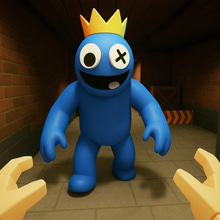
And because the game uses the Rainbow Friends theme, the monsters have a visual identity that feels strange in the best way. They are colorful, recognizable, almost toy-like at first glance, which somehow makes their threat even more uncomfortable. It is the kind of design that feels wrong on purpose. Cheerful colors. Violent intentions. Great, thanks.
🏃 𝗠𝗜𝗦𝗦𝗜𝗢𝗡𝗦 𝗨𝗡𝗗𝗘𝗥 𝗣𝗥𝗘𝗦𝗦𝗨𝗥𝗘 𝗔𝗥𝗘 𝗔𝗟𝗪𝗔𝗬𝗦 𝗕𝗘𝗧𝗧𝗘𝗥
What keeps Rainbow Friends. Survival engaging is that survival is tied to action. You are not only hiding and waiting. You are doing things. That matters. A horror game becomes much more intense when you are asked to complete tasks in dangerous conditions instead of simply avoiding death for as long as possible. Here, every mission pushes you into motion, and motion creates risk.
This design works especially well because the controls stay simple. Movement is direct, interaction is easy to understand, and on mobile the touch controls keep the experience accessible. That simplicity leaves room for the real challenge to come from timing, awareness, and nerves rather than awkward mechanics. You know what to do. The problem is doing it before something terrible finds you.
That creates a nice balance between action game energy and survival game tension. One second you are focused and efficient. The next second you are sprinting like your character just remembered an appointment with disaster. Both moods belong here.
🌙 𝗧𝗛𝗘 𝗙𝗜𝗩𝗘-𝗗𝗔𝗬 𝗦𝗧𝗥𝗨𝗖𝗧𝗨𝗥𝗘 𝗚𝗜𝗩𝗘𝗦 𝗧𝗛𝗘 𝗚𝗔𝗠𝗘 𝗔 𝗚𝗢𝗢𝗗 𝗛𝗢𝗢𝗞
The five days and five nights structure is a smart choice because it gives the game a clear survival arc. You are not trying to last forever in some shapeless endless mode. You are enduring a set period, pushing through a series of escalating threats and objectives. That gives every session a stronger sense of progression. You can feel yourself trying to outlast something, not just participate in it.
It also helps the horror theme. “Survive the night” is already a strong idea. Multiply that across several stages of danger and the game immediately gains momentum. Each new segment feels like another hurdle between you and freedom. Another chance to slip up. Another round of running, hiding, interacting, and hoping your nerves hold together better than your plan.
This structure also makes the game more satisfying to replay. If you fail, you do not feel like you lost to randomness alone. You feel like there is a sequence to learn, a pressure pattern to understand, a better run waiting to happen. Good survival games make defeat feel annoying but useful. Rainbow Friends. Survival does that well.
🎮 𝗘𝗔𝗦𝗬 𝗧𝗢 𝗣𝗜𝗖𝗞 𝗨𝗣, 𝗛𝗔𝗥𝗗 𝗧𝗢 𝗙𝗢𝗥𝗚𝗘𝗧
Another strength of the game is how quickly it becomes readable. Move with the arrows, interact with E, handle touch controls on mobile, and start surviving. That is enough. The interface does not get in your way, which is important for a horror survival experience. When a monster shows up, the last thing you want is to be negotiating with confusing inputs.
Because the game is so immediate, it works well in short browser sessions. You can jump in fast, understand the rules quickly, and start feeling the pressure almost right away. But like most survival horror games, it has a nasty habit of turning quick sessions into longer ones. One failed run becomes “okay, one more try.” One close call becomes “I know I can do that cleaner.” Suddenly the monsters have your schedule too.
🧩 𝗪𝗛𝗬 𝗥𝗔𝗜𝗡𝗕𝗢𝗪 𝗙𝗥𝗜𝗘𝗡𝗗𝗦. 𝗦𝗨𝗥𝗩𝗜𝗩𝗔𝗟 𝗪𝗢𝗥𝗞𝗦
Rainbow Friends. Survival succeeds because it understands that horror in browser games does not need complicated systems to be effective. It needs threat, pace, and a reason for the player to keep moving. This game has all three. The missions give structure. The monsters give urgency. The five-day survival format gives momentum. Together, they create a horror game that feels tense without becoming bloated.
If you enjoy survival games, monster chase games, mission-based horror adventures, and browser experiences where every small action feels risky, this is an easy recommendation on Kiz10. It is colorful, nasty, fast, and exactly the right amount of stressful.
So finish the tasks, stay alert, and do not trust the quiet moments too much. In Rainbow Friends. Survival, calm is usually just the space between one bad decision and the next thing chasing you. 🌈💀





 Share
Share
 Embed
Embed