✈️ 𝗧𝗛𝗜𝗦 𝗜𝗦 𝗡𝗢𝗧 𝗝𝗨𝗦𝗧 𝗔 𝗣𝗟𝗔𝗡𝗘 𝗖𝗥𝗔𝗦𝗛, 𝗜𝗧 𝗜𝗦 𝗔 𝗣𝗟𝗔𝗡𝗘 𝗖𝗥𝗔𝗦𝗛 𝗧𝗛𝗔𝗧 𝗥𝗘𝗙𝗨𝗦𝗘𝗦 𝗧𝗢 𝗘𝗡𝗗
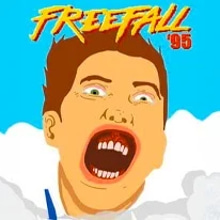
Freefall 95 has one of those ideas that sounds strange for about two seconds and then immediately starts making perfect sense. You wake up on a doomed flight in the middle of 1995, the plane is already turning into a disaster, and instead of getting one desperate attempt to survive, you are trapped inside a time loop that forces you to relive the same catastrophe again and again. That is already a strong setup, but the game does not stop there. It takes that looping disaster and turns it into a frantic retro arcade challenge full of evasive movement, coin collecting, trick chaining, and constant improvement.
That is exactly why it feels so good. It is not a slow story game about fear on a crashing plane. It is an action game that treats the cabin like a collapsing obstacle course. Seats, debris, loose objects, dangerous gaps, all of it becomes part of a high-speed survival run where the player is expected to dodge, jump, improvise, and somehow still look stylish while doing it. That contrast gives the game a lot of flavor. The situation is terrible, but the gameplay is energetic. The time loop is tragic, but also weirdly motivating. Every failed attempt becomes another reason to dive right back in and try again with a slightly smarter route.
On Kiz10, Freefall 95 feels like a great fit for players who enjoy endless runner chaos, upgrade loops, retro visuals, and games where failure is not punishment so much as another step toward mastering the madness.
🕹️ 𝗧𝗛𝗘 𝟵𝟬’𝗦 𝗔𝗥𝗖𝗔𝗗𝗘 𝗦𝗣𝗜𝗥𝗜𝗧 𝗜𝗦 𝗔𝗟𝗟 𝗢𝗩𝗘𝗥 𝗧𝗛𝗜𝗦 𝗧𝗛𝗜𝗡𝗚
One of the best things about Freefall 95 is the way it leans into retro energy without feeling old in a tired way. The 1995 setting matters. It gives the game its whole attitude. Bright colors, sharp motion, intense pace, and that classic arcade idea that the best way to deal with catastrophe is apparently to score better the next time it happens. The game feels like a lost action fever dream from the late 90s, the kind of thing that would have looked completely normal in an era where games were happy to be loud, strange, and slightly unreasonable.
That aesthetic does a lot more than decorate the action. It changes how the whole experience feels. Freefall 95 is not trying to be a grounded survival sim. It wants momentum. It wants rhythm. It wants every run to feel like a short, violent burst of style and panic. The retro presentation helps with that because it gives even failure a kind of charm. Crashing out of a run does not feel depressing. It feels like one more neon-colored disaster in a game built entirely out of collapsing seconds.
And because the loop structure keeps dragging you back in, that aesthetic becomes even more effective over time. The plane may be doomed, but the game never feels dead. It keeps moving.
💥 𝗧𝗛𝗘 𝗖𝗔𝗕𝗜𝗡 𝗕𝗘𝗖𝗢𝗠𝗘𝗦 𝗔 𝗣𝗟𝗔𝗬𝗚𝗥𝗢𝗨𝗡𝗗 𝗙𝗢𝗥 𝗖𝗢𝗡𝗧𝗥𝗢𝗟𝗟𝗘𝗗 𝗣𝗔𝗡𝗜𝗖
A big reason Freefall 95 stands out is that it turns a very small environment into something surprisingly dynamic. The interior of the plane is not just a backdrop. It becomes the whole battlefield. Every seat, aisle, obstacle, and flying chunk of wreckage matters. You are not simply running in a straight line. You are reacting to a space that keeps trying to throw itself apart around you.
That makes the action feel much more physical than a standard runner. The cabin is cramped, chaotic, and full of things that can either ruin your run or help you build score if you understand how to move through them. The player is not just surviving debris. The player is using the chaos to create style. That is a great design choice because it makes every good dodge feel smart and every good trick feel like a deliberate act instead of a random bonus.
The best arcade games often come down to space management under pressure, and Freefall 95 clearly understands that. It keeps asking the player to read the room quickly, react faster, and decide whether to play it safe or stretch the moment into something riskier and more rewarding.
🪑 𝗧𝗥𝗜𝗖𝗞𝗦 𝗔𝗥𝗘 𝗪𝗛𝗘𝗥𝗘 𝗧𝗛𝗘 𝗚𝗔𝗠𝗘 𝗦𝗧𝗢𝗣𝗦 𝗕𝗘𝗜𝗡𝗚 𝗔𝗕𝗢𝗨𝗧 𝗠𝗘𝗥𝗘 𝗦𝗨𝗥𝗩𝗜𝗩𝗔𝗟
The trick system is one of the smartest parts of the whole concept. A plain time-loop runner about dodging debris would already be fun for a while, but Freefall 95 adds style scoring and combo chaining, which gives the entire disaster much more personality. Now you are not only trying to avoid getting wiped out. You are trying to do it with flair. You are turning the crash into a performance.
That changes the player’s mindset immediately. Suddenly a safe run is not always the most attractive run. A clever leap between seats, a risky movement through a narrow zone, a well-timed aerial maneuver, these things can multiply rewards and make each attempt feel bigger than simple survival. The game starts whispering dangerous ideas into your ear. Maybe you can squeeze one more trick out of this section. Maybe you can keep the combo alive. Maybe the next loop is the one where everything finally looks smooth.
Of course, that is also how the game gets you killed. But that is part of the magic. Freefall 95 understands the joy of bad decisions made for style. It is built around the tension between survival and spectacle, and that makes every run more memorable.
🪙 𝗖𝗢𝗜𝗡𝗦 𝗠𝗔𝗞𝗘 𝗘𝗩𝗘𝗥𝗬 𝗙𝗔𝗜𝗟𝗨𝗥𝗘 𝗙𝗘𝗘𝗟 𝗨𝗦𝗘𝗙𝗨𝗟
Another big strength of the game is the upgrade loop. Coins matter because they turn each failed attempt into forward movement. You are not crashing for nothing. You are learning the layout better, improving your reflexes, and gathering the resources needed to come back stronger on the next cycle. That kind of system is perfect for a time-loop game. It makes the repetition feel like progression rather than punishment.
And because the upgrades affect your ability to go farther in each attempt, the player always feels that next-run temptation. One more try could be the one where your improved stats finally let you survive long enough to understand the next layer of the mystery. One more try could be the one where the cabin chaos stops feeling random and starts feeling manageable. That is a very strong loop, especially in a game built around short, intense sessions.
The best part is that it makes the whole story mechanic feel more natural. A time loop should make the player feel smarter with every reset. Freefall 95 seems built around exactly that sensation. Each cycle is not just repetition. It is refinement.
🌀 𝗧𝗛𝗘 𝗧𝗜𝗠𝗘 𝗟𝗢𝗢𝗣 𝗚𝗜𝗩𝗘𝗦 𝗧𝗛𝗘 𝗚𝗔𝗠𝗘 𝗜𝗧𝗦 𝗕𝗘𝗦𝗧 𝗣𝗘𝗥𝗦𝗢𝗡𝗔𝗟𝗜𝗧𝗬
Without the time loop, Freefall 95 would still be a strong runner. With it, the game gets a much better identity. The loop makes every failure feel narratively correct. Of course the crash happens again. Of course you are back in the same impossible moment. The only thing changing is you. Your route is better. Your timing is sharper. Your upgrades are stronger. Your understanding of the plane’s chaos gets deeper every time.
That is why the game feels so cohesive. The story idea and the mechanics are working together. The repeated disaster is not just a premise pasted over a runner. It is the reason the runner structure makes sense. The player is trapped, but the player is also evolving. That balance gives the whole adventure more weight than a normal arcade game without ever slowing down the action.
🏆 𝗪𝗛𝗬 𝗙𝗥𝗘𝗘𝗙𝗔𝗟𝗟 𝟵𝟱 𝗪𝗢𝗥𝗞𝗦
Freefall 95 works because it knows exactly how to combine panic and style. The collapsing plane gives it constant danger. The trick system gives it personality. The upgrade loop gives it long-term pull. The 1995 arcade aesthetic gives it charm. And the time-loop concept holds all of it together in a way that makes every restart feel intentional rather than repetitive.
It is a great choice for players who enjoy action runners, retro arcade energy, upgrade-driven progression, and games where survival gets better the moment you start turning it into a performance. Freefall 95 is fast, weird, memorable, and built around the kind of loop that keeps players coming back because the next attempt always feels like it could finally be the one that breaks everything open.



 2.5 (158 votes)
 Share
Share
 Embed
Embed