𝗕𝗢𝗟𝗧𝗦, 𝗕𝗟𝗔𝗦𝗧𝗦, 𝗔𝗡𝗗 𝗧𝗛𝗘 𝗦𝗛𝗜𝗣 𝗧𝗛𝗔𝗧 𝗪𝗢𝗡’𝗧 𝗦𝗧𝗢𝗣 𝗦𝗖𝗥𝗘𝗔𝗠𝗜𝗡𝗚 🚀🔧
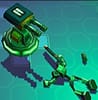
Cyborg TD drops you into that delicious sci-fi nightmare where the corridors are clean, the lights are cold, and the enemy is basically “metal with bad intentions.” You’re defending a spaceship deck by deck, lane by lane, watching cyborg units march like they’re late to ruin your day. And it’s tower defense, yes, but not the sleepy kind where you place a tower and go make a sandwich. This is the kind where you place a tower and immediately feel the pressure of the next wave breathing down your neck like a broken airlock. On Kiz10, it hits fast: you’re building, upgrading, reacting, and quietly realizing that the real boss is not the biggest cyborg… it’s your own decision-making under stress 😅🤖
The battlefield is a set of paths leading toward your vulnerable endpoints, and the game makes it painfully clear what happens if you let even one stubborn unit slip through. That’s the vibe. It’s not about “can I place towers,” it’s “can I design a machine that deletes incoming threats before they touch the red line.” And when you do? When you finally make a route so deadly that enemies melt the moment they enter it? That’s the moment you feel like a tactical genius with a slightly evil smile 😈⚙️
𝗧𝗛𝗘 𝗔𝗡𝗗𝗥𝗢𝗠𝗘𝗗𝗔 𝗘𝗙𝗙𝗘𝗖𝗧: 𝗪𝗛𝗘𝗥𝗘 𝗘𝗩𝗘𝗥𝗬 𝗖𝗢𝗥𝗥𝗜𝗗𝗢𝗥 𝗜𝗦 𝗔 𝗣𝗨𝗭𝗭𝗟𝗘 🛰️🧩
A spaceship setting changes the flavor of tower defense. It feels contained, engineered, almost surgical… which makes the chaos funnier. You’re basically turning a pristine deck into a disaster zone of lasers, turrets, explosions, and frantic last-second upgrades. The maps push you to think like an engineer who also happens to be panicking. Where do enemies bunch up? Where do they speed up? Which corner gives you the longest time-on-target? Where can you stack damage without wasting money? The game keeps asking these questions without ever saying them out loud.
You’ll start seeing the map like a blueprint of doom. Straight sections are tempting, but corners are gold. Corners mean towers get more time to shoot. More time means more damage. More damage means fewer leaks. And fewer leaks means you can breathe for half a second… until the next wave arrives and the game changes the rules again. That’s the loop: comfort, then escalation, then adaptation.
𝗧𝗨𝗥𝗥𝗘𝗧𝗦 𝗔𝗡𝗗 𝗧𝗛𝗘 𝗦𝗪𝗘𝗘𝗧 𝗔𝗥𝗧 𝗢𝗙 𝗠𝗔𝗞𝗜𝗡𝗚 𝗔 𝗞𝗜𝗟𝗟-𝗭𝗢𝗡𝗘 🔫🌀
The best part of Cyborg TD is that it rewards you for building with intent. Not “place towers everywhere.” Intent. A real kill-zone is a place where enemies enter and immediately regret existing. It’s layered damage, it’s timing, it’s control. You want consistent firepower, but you also want something that slows or disrupts, because cyborg enemies love nothing more than strolling past your defenses like they paid for a ticket.
So you start combining roles. A fast-firing turret to chew through weak units. A heavier hitter to punish armored threats. Something that slows to stretch enemy exposure time. And suddenly you’re not just defending, you’re sculpting the enemy’s path into a punishment corridor. It feels mean. It feels smart. It feels correct 😌🔩
And then you discover the trap of tower defense greed: upgrading too early in the wrong place. It’s so tempting to pump all your money into one shiny tower because it looks powerful. Sometimes that works. Sometimes it creates a hilarious problem where the tower is a monster, but the rest of the map is a soft, undefended apology. Cyborg TD loves exposing that weakness. One wave of fast units and you’ll watch them sprint past your “super tower” and touch the gate anyway, like they’re mocking your budgeting skills 🫠💸
𝗠𝗘𝗧𝗔𝗟 𝗘𝗡𝗘𝗠𝗜𝗘𝗦 𝗪𝗜𝗧𝗛 𝗠𝗘𝗔𝗡 𝗛𝗔𝗕𝗜𝗧𝗦 🤖🧨
Not every enemy is the same, and that’s where the strategy gets spicy. Some units are fragile but quick, basically designed to slip through tiny weaknesses. Others are tanky bricks that soak damage and force you to prove your build actually has sustained DPS, not just flashy bursts. And then there are the annoying varieties that change how you prioritize: the ones that force you to stop focusing on the biggest target and start focusing on the most dangerous target.
That shift is huge. It’s the moment you stop playing emotionally. Emotional play says, “that big cyborg looks scary, shoot it.” Smart play says, “that fast unit is three seconds from the gate, delete it now.” Cyborg TD trains you into that mindset with repeated, gentle, cruel lessons. The game doesn’t yell. It just lets you lose in a way that’s extremely educational 😅📚
You’ll also learn how important it is to build for the wave you can’t see yet. Early waves lull you into habits. Mid waves punish those habits. Late waves demand you redesign your thinking entirely. That escalation is what makes the game feel alive instead of repetitive.
𝗨𝗣𝗚𝗥𝗔𝗗𝗘 𝗘𝗖𝗢𝗡𝗢𝗠𝗬: 𝗧𝗛𝗘 𝗦𝗘𝗖𝗥𝗘𝗧 𝗜𝗦𝗡’𝗧 𝗠𝗢𝗥𝗘 𝗠𝗢𝗡𝗘𝗬, 𝗜𝗧’𝗦 𝗕𝗘𝗧𝗧𝗘𝗥 𝗠𝗢𝗠𝗘𝗡𝗧𝗦 💰⏳
Here’s where Cyborg TD gets sneaky: your success isn’t only about what you buy, it’s about when you buy it. An upgrade one wave too late is basically a donation to the enemy. An upgrade one wave too early might starve you of coverage and make the next lane collapse. So you start making decisions like a nervous commander: do I spread my power thin but safe, or do I spike one lane hard and gamble that the others hold?
The “good” answer changes constantly, which is why the game stays replayable. You’ll have runs where spreading coverage is the hero. You’ll have runs where a focused upgrade in the perfect corner turns the entire map into a blender. And you’ll also have runs where you do everything “right” and still get surprised, because tower defense is a genre that loves ambushes disguised as math.
When you’re on a strong run, upgrades feel like turning knobs on a machine you built yourself. More range here, more damage there, better control in that choke point. The ship becomes your trap, and the cyborgs are just volunteering to enter it 🤝😈
𝗙𝗔𝗦𝗧 𝗙𝗢𝗥𝗪𝗔𝗥𝗗 𝗔𝗡𝗗 𝗧𝗛𝗘 𝗠𝗢𝗠𝗘𝗡𝗧 𝗬𝗢𝗨 𝗥𝗘𝗚𝗥𝗘𝗧 𝗜𝗧 ⏩😬
At some point you’ll speed things up. It feels great for a second. You’re confident. You’re cruising. Then the wave spikes and your defenses start leaking like a cracked hull, and you realize you just fast-forwarded into your own disaster movie. That’s not a complaint, that’s part of the fun. Cyborg TD is at its best when you’re balancing tempo: speeding through easy stretches, slowing down when things get sharp, and staying alert to the moment the game tries to sneak a breakthrough.
And yes, you will have that moment where you whisper, “I’m fine,” while the gate is basically one unit away from being touched. That’s the tower defense experience. Calm face, chaotic hands 😮💨🖱️
𝗛𝗢𝗪 𝗧𝗢 𝗪𝗜𝗡 𝗠𝗢𝗥𝗘 𝗢𝗙𝗧𝗘𝗡 𝗪𝗜𝗧𝗛𝗢𝗨𝗧 𝗧𝗨𝗥𝗡𝗜𝗡𝗚 𝗜𝗧 𝗜𝗡𝗧𝗢 𝗛𝗢𝗠𝗘𝗪𝗢𝗥𝗞 🧠🛡️
If you want one practical mindset that improves your runs, it’s this: build your first real kill-zone, then protect it. Don’t scatter towers everywhere like you’re decorating. Pick the best choke point, layer it with damage and control, and make sure enemies spend as long as possible inside it. Then cover the weak spots with cheaper support so fast units don’t slip through while you’re busy admiring your masterpiece.
Also, watch which lane leaks first. The first leak is the truth. It tells you where your math is wrong. Fix that lane before you add “fun upgrades.” Cyborg TD rewards players who respond to the map’s feedback instead of forcing a favorite build every time.
Cyborg TD on Kiz10 is pure sci-fi tower defense tensions: build, upgrade, survive, and slowly transform a spaceship corridor into a perfectly tuned cyborg shredder. It’s strategy with teeth… metal teeth… you get it 🤖🦷🔥



 4 (18 votes)
 Share
Share
 Embed
Embed