𝗡𝗢𝗢𝗕 𝗩𝗜𝗟𝗟𝗔𝗚𝗘 𝗧𝗢𝗪𝗘𝗥 𝗗𝗘𝗙𝗘𝗡𝗦𝗘: 𝗬𝗢𝗨 𝗔𝗥𝗘 𝗧𝗛𝗘 𝗧𝗢𝗪𝗘𝗥 🎯🏰
Noob Village Tower Defense on Kiz10 isn’t the usual “place towers and watch numbers happen” kind of defense game. Here, the tower is not an automatic machine politely doing its job in the background. It’s you. You’re the one aiming. You’re the one choosing the shell. You’re the one adjusting the trajectory like a stressed-out artillery officer with a village to protect and zero patience for monsters.
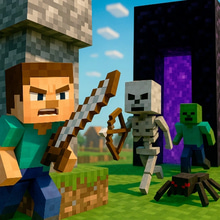
The setup is simple and instantly readable: an ominous portal keeps spitting out enemies in waves, and your noob village is the target. If you miss too much, the swarm reaches your defenses and the whole place turns into a disaster story. If you hit clean shots, you buy time, gather resources, develop the settlement, and turn your shaky defense into something that actually feels solid. The game is a survival loop with a satisfying rhythm: shoot, earn, upgrade, repeat. And the better your aim gets, the more the strategy side opens up.
𝗠𝗔𝗡𝗨𝗔𝗟 𝗖𝗔𝗡𝗡𝗢𝗡 𝗖𝗢𝗠𝗕𝗔𝗧: 𝗔𝗖𝗖𝗨𝗥𝗔𝗖𝗬 𝗜𝗦 𝗬𝗢𝗨𝗥 𝗘𝗖𝗢𝗡𝗢𝗠𝗬 💥🧠
The most important thing to understand is that your cannon shots are not just damage. They’re your entire economy. Every enemy you drop is pressure removed, yes, but it’s also progress gained. When you’re landing hits consistently, everything feels smoother. Waves become manageable. Resources come in. Upgrades become possible. When your aim gets sloppy, the game feels brutally honest. Monsters slip through. You waste shots. You panic-adjust the trajectory and start missing even more. That downward spiral is real, and the game loves it. 😅
Because you control the tower manually, you’re always doing two jobs at once. You’re reacting to what’s on screen right now, and you’re thinking ahead to what kind of wave is coming next. Some enemies are fast and annoying. Some are tanky and slow. Some arrive in awkward groups that punish single-target focus. That’s where shell choice becomes a real decision instead of a cosmetic detail. Picking the right ammo at the right moment can save you a whole wave. Picking the wrong one turns the wave into a slow, ugly grind.
And there’s something weirdly satisfying about that skill curve. At the start, you’ll feel like you’re guessing. After a few waves, you start reading movement. You aim where the enemy will be, not where it is. Suddenly you’re predicting arcs like it’s instinct. That’s the “click” moment for this tower defense game.
𝗧𝗥𝗔𝗝𝗘𝗖𝗧𝗢𝗥𝗬 𝗔𝗡𝗗 𝗦𝗛𝗘𝗟𝗟 𝗖𝗛𝗢𝗜𝗖𝗘: 𝗧𝗛𝗘 𝗦𝗛𝗢𝗧 𝗜𝗦 𝗔 𝗣𝗟𝗔𝗡 🚀🎯
Noob Village Tower Defense makes trajectory feel important because it turns every shot into a tiny puzzle. You’re constantly adjusting angles to match distance, speed, and crowd shape. A low, fast shot might be perfect for a runner-type enemy that’s trying to slip through. A higher arc might help you hit clustered targets or enemies hiding behind others. It’s not complicated math, but it’s still a skill you build.
Shell selection adds another layer of tactics. The moment you realize you shouldn’t shoot everything with the same ammo, the game becomes more interesting. You start thinking in priorities. Do I delete the fast threats first so the lane stays clean? Do I focus the tanky monster before it becomes a wall? Do I thin the crowd so future shots become easier? There’s no single “best” answer, because the right answer changes wave to wave. That shifting answer is the strategy.
Also, missing feels different here. In many defense games, missing is just “oops, less DPS.” Here, missing is personal. You aimed. You fired. You watched it whiff. The game doesn’t hide it. And because you’re in manual control, every miss is an opportunity to improve immediately. Adjust, try again, get sharper.
𝗩𝗜𝗟𝗟𝗔𝗚𝗘 𝗣𝗥𝗢𝗚𝗥𝗘𝗦𝗦𝗜𝗢𝗡: 𝗗𝗘𝗙𝗘𝗡𝗗 𝗧𝗢 𝗗𝗘𝗩𝗘𝗟𝗢𝗣 🧱🌾
The defense is only half the story. The other half is building up the noob settlement so you can survive longer and handle stronger waves. You’ll be extracting resources, improving defenses, and developing the village like you’re turning a fragile camp into a real fortress. That progression matters because waves don’t stay polite. They ramp up. They get faster, denser, tougher. If you rely only on raw aim without upgrading, you eventually hit a wall.
The fun part is that the upgrades feel earned. You aren’t just clicking a button because it’s available. You’re buying the right improvements because you can feel what your defense lacks. Maybe your shots are strong but you can’t handle crowds, so you build toward better control. Maybe you’re fine early but collapse late, so you invest in stability and wave management. The game becomes a conversation between your skill and your build choices.
And when the village starts looking stronger, you feel it emotionally too. The early “please don’t die” vibe shifts into “okay, bring it.” That shift is satisfying in a survival strategy game because it’s real momentum, not fake confidence.
𝗪𝗔𝗩𝗘 𝗣𝗥𝗘𝗦𝗦𝗨𝗥𝗘: 𝗧𝗛𝗘 𝗣𝗢𝗥𝗧𝗔𝗟 𝗗𝗢𝗘𝗦𝗡’𝗧 𝗚𝗘𝗧 𝗧𝗜𝗥𝗘𝗗 😈⏱️
The portal is basically the game’s heartbeat. It keeps producing threats, and the longer you survive, the more it tests you. The trick is that pressure doesn’t always come from “more enemies.” Sometimes it comes from worse timing. Enemies arrive in patterns that force different targeting decisions. A wave might include a few fast units that try to distract you while a bigger threat approaches behind them. If you tunnel vision, you lose control. If you stay calm and handle priorities, you keep the lane stable.
This is why the game rewards discipline. You can’t just spam shots and hope. You need to pick targets, manage spacing, and avoid wasting ammo on enemies that aren’t the real problem yet. It’s like juggling, but with explosions. And the more you improve, the more you’ll notice the game is fair. It doesn’t ask for perfect aim, it asks for smarter aim.
There’s also that classic defense-game thrill when you barely survive a wave. Your village is hanging on, your shot timing gets tighter, your hands get tense, and then you clear the last enemy and feel actual relief. It’s a small victory, but it hits.
𝗛𝗢𝗪 𝗧𝗢 𝗣𝗟𝗔𝗬 𝗦𝗠𝗔𝗥𝗧: 𝗖𝗔𝗟𝗠 𝗔𝗜𝗠 𝗕𝗘𝗔𝗧𝗦 𝗣𝗔𝗡𝗜𝗖 𝗙𝗜𝗥𝗘 🧊🏹
If you want to last longer, the best habit is aiming ahead. Lead your shots. Don’t chase enemies with your crosshair like you’re trying to swat flies. Predict the path, fire into the path, and let the enemy walk into the hit. It sounds obvious, but it’s the difference between feeling in control and feeling overwhelmed.
Second, treat your shell choice like a tool, not a default. If a wave is wide and messy, pick ammo that helps you manage groups. If a wave has a priority target, switch to something that deletes it quickly. Third, don’t upgrade randomly. Upgrade to solve a problem you can name. “I can’t handle crowds.” “I lose control late.” “My village falls apart when fast enemies stack.” If you can name the weakness, you can fix it.
Noob Village Tower Defense on Kiz10 is a tower defense game that feels more hands-on, more personal, and more skill-driven than most. Your aim is your power. Your upgrades are your survival plan. And that portal? It’s not going to stop, so you better get sharp. 🎯🔥





 Share
 Embed