𝗬𝗢𝗨 𝗔𝗥𝗘 𝗡𝗢𝗧 𝗙𝗜𝗚𝗛𝗧𝗜𝗡𝗚 𝗧𝗛𝗘 𝗠𝗢𝗡𝗦𝗧𝗘𝗥𝗦. 𝗬𝗢𝗨 𝗔𝗥𝗘 𝗢𝗨𝗧𝗟𝗔𝗦𝗧𝗜𝗡𝗚 𝗧𝗛𝗘𝗠 👑
Last Knight: Kings Throne has the kind of setup that seems almost too simple at first. A tiny hero. A random map. A growing pack of monsters with very bad intentions. No dramatic speeches, no long warm-up, no fake complexity pretending to be depth. You move, they chase, and the only thing that really matters is how long you can keep the disaster from touching you. That sounds small. It isn’t. Games like this live or die on tension, and this one understands exactly how to keep the pressure building without losing its playful charm.
This is a casual arcade survival game, but “casual” here mostly means the rules are easy to understand. The actual experience gets intense surprisingly fast. One second you are calmly circling the map, picking your lines, scooping up a useful buff, and thinking you have room to breathe. The next, the monsters are thicker, faster, and much less interested in letting you feel clever. That rising pressure is what makes the whole thing addictive. Every run starts manageable. Every run eventually turns into a small personal crisis.
And that is exactly why it works. The game never has to overcomplicate itself. It just keeps asking one mean little question: how much longer can you stay alive if everything gets worse every few seconds?
𝗙𝗥𝗘𝗘 𝗠𝗢𝗩𝗘𝗠𝗘𝗡𝗧 𝗠𝗔𝗞𝗘𝗦 𝗘𝗩𝗘𝗥𝗬 𝗥𝗨𝗡 𝗙𝗘𝗘𝗟 𝗟𝗜𝗞𝗘 𝗬𝗢𝗨𝗥 𝗢𝗪𝗡 𝗠𝗜𝗦𝗧𝗔𝗞𝗘 🎯
One of the best things about Last Knight: Kings Throne is how immediate the movement feels. You drag your character in any direction you want, and that freedom gives every chase a really personal rhythm. You are not locked into stiff lanes or predictable auto-pathing. If you survive, it feels like your decision. If you get trapped, well, that usually feels like your decision too.
That flexibility matters because this kind of survival game depends on improvisation. The map is not there just to look cute while the monsters do all the work. It becomes part of the strategy. Open space buys time. Tight corners can save you or betray you. The way you loop around terrain, bait enemy movement, and carve out safe lines becomes the whole skill test. The controls stay simple, but the choices inside those controls are what keep the game alive.
And because the movement is so direct, the game gets that lovely “almost escaped” feeling right. You can see the opening. You can cut through a narrow gap. You can turn one sloppy chase into a clean recovery if your hands stay calm enough. Sometimes they do. Sometimes they absolutely do not. Both outcomes are exciting.
𝗧𝗛𝗘 𝗠𝗢𝗡𝗦𝗧𝗘𝗥𝗦 𝗗𝗢 𝗡𝗢𝗧 𝗡𝗘𝗘𝗗 𝗧𝗢 𝗕𝗘 𝗖𝗟𝗘𝗩𝗘𝗥. 𝗧𝗛𝗘𝗬 𝗝𝗨𝗦𝗧 𝗡𝗘𝗘𝗗 𝗧𝗢 𝗞𝗘𝗘𝗣 𝗖𝗢𝗠𝗜𝗡𝗚 👾
The difficulty curve is one of the strongest parts of the game because it never stops moving. At the beginning, the monsters are manageable enough that you can still pretend this is a relaxing little run. Then survival time starts pushing the pace upward. More monsters appear. Their speed increases. The space around you shrinks emotionally, even if the map itself does not change much. Suddenly every route feels shorter, every turn feels riskier, and your “safe zone” stops feeling safe at all.
That escalation is important because it gives every run a clear arc. You are not just dodging forever in some flat, endless loop. You are climbing a pressure slope. The further you get, the more the game asks from you. Better reading. Better movement. Better use of pickups. Better patience. It keeps the experience from going numb. A strong survival game should make time feel heavy, and this one does exactly that.
There is also something very satisfying about the way the monsters create shape in the arena. They are not complicated enemies with ten attack phases and dramatic animations. They are pursuit made visible. Their job is to corner you, and the fun comes from how long you can keep that from happening.
𝗕𝗨𝗙𝗙𝗦 𝗔𝗥𝗘 𝗧𝗜𝗡𝗬 𝗠𝗜𝗥𝗔𝗖𝗟𝗘𝗦 𝗪𝗜𝗧𝗛 𝗩𝗘𝗥𝗬 𝗚𝗢𝗢𝗗 𝗧𝗜𝗠𝗜𝗡𝗚 ⚡❄️
The randomly spawned props do a lot to keep Last Knight: Kings Throne fresh. Speed boosts and monster freezes sound simple, and they are, but in a game like this, simple is perfect. A good buff pickup can completely flip the mood of a run. A freeze effect bought at the right moment is not just helpful, it is a full rescue mission. A speed boost collected while boxed in can turn a guaranteed loss into a clean escape that suddenly makes you feel far smarter than you were two seconds earlier.
That is why the props matter so much. They are not just bonuses sprinkled around to make the arena look busy. They are decision points. Should you cut wide to reach one? Is the freeze worth risking a tighter route? Can the speed boost actually break the encirclement, or are you about to launch yourself directly into another bad angle? These little calls make the gameplay more dynamic because they constantly tempt you to gamble.
And when the gamble pays off, it feels fantastic. A freeze in the middle of chaos creates a moment of glorious relief. A speed burst through a closing gap feels almost rude. The game is very good at making those pickups feel like dramatic little turns in the story of a run.
𝗧𝗘𝗥𝗥𝗔𝗜𝗡 𝗜𝗦 𝗬𝗢𝗨𝗥 𝗢𝗡𝗟𝗬 𝗥𝗘𝗔𝗟 𝗙𝗥𝗜𝗘𝗡𝗗 🌿
The map design deserves a lot of credit because it gives you enough structure to actually play smart. Terrain is not background decoration here. It is a tool. The best runs happen when you stop fleeing in straight lines and start using the space properly. Curving around obstacles, pulling monster groups into longer loops, buying yourself a few extra seconds by shaping their path instead of simply outrunning it, that is the real skill ceiling.
This is why the game feels better the longer you play it. Early runs are mostly panic and instinct. Later, you start understanding flow. You see the map differently. A patch of open space becomes bait. A narrow route becomes a trap to avoid until the timing is right. A corner becomes a tiny negotiation between greed and survival. That deeper reading gives the game much more staying power than its simple concept might suggest.
It also means improvement feels honest. You are not just lasting longer because the game decided to be kinder. You are lasting longer because you are using the arena better. That is one of the most satisfying kinds of progress.
𝗧𝗛𝗘 𝗕𝗘𝗦𝗧 𝗥𝗨𝗡𝗦 𝗔𝗥𝗘 𝗡𝗢𝗧 𝗧𝗛𝗘 𝗖𝗔𝗟𝗠 𝗢𝗡𝗘𝗦. 𝗧𝗛𝗘𝗬 𝗔𝗥𝗘 𝗧𝗛𝗘 𝗢𝗡𝗘𝗦 𝗬𝗢𝗨 𝗕𝗔𝗥𝗘𝗟𝗬 𝗦𝗔𝗩𝗘 😅
What makes Last Knight: Kings Throne memorable is how often it creates ugly, exciting recoveries. The best runs are rarely perfect. They are messy. You almost get trapped, grab a freeze, cut around a wall, buy a little more time, then somehow survive another wave that had no business letting you live. Those are the moments that make you restart instantly after a loss, because you know another dramatic save might be one run away.
That is where the leaderboard structure helps too. A game like this lives on personal bests. You are not just playing to survive. You are playing to beat yourself. A few seconds more. A cleaner route. A better use of buffs. A smarter loop around the terrain. The score chase works because each run is short enough to retry and stressful enough to feel meaningful.
There is no need for huge systems or overdesigned progression here. The survival timer is enough. The monsters are enough. The map and the pickups do the rest.
𝗪𝗛𝗬 𝗟𝗔𝗦𝗧 𝗞𝗡𝗜𝗚𝗛𝗧: 𝗞𝗜𝗡𝗚𝗦 𝗧𝗛𝗥𝗢𝗡𝗘 𝗙𝗜𝗧𝗦 𝗦𝗢 𝗪𝗘𝗟𝗟 𝗢𝗡 𝗞𝗜𝗭𝟭𝟬 ✨
On Kiz10, Last Knight: Kings Throne is a great choice for players who enjoy dodge-heavy arcade games, short-session survival runs, monster evasion games, and browser titles that feel relaxing right until they suddenly absolutely do not. It has that very useful quality of being easy to start and difficult to master, which makes it perfect for quick sessions that quietly turn into longer ones.
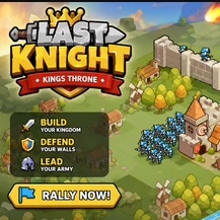
The cartoon art helps a lot too. It keeps the whole thing light and inviting, even when the pressure spikes. That balance between cute presentation and real survival tension is part of the charm. It never takes itself too seriously, but it also never stops asking you to stay sharp.
Play Last Knight: Kings Throne on Kiz10 if you want an arcade game where movement matters, panic can still be useful if it arrives late enough, and every extra second of survival feels like a tiny, sweaty victory.





 Share
Share
 Embed
Embed