👻⚡ A Ghost Fight That Starts With You Building the Monster
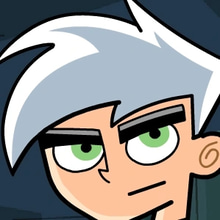
Danny Phantom: The Ultimate Enemy Face-Off has a fun, slightly unhinged opening idea: before you even throw a punch, you design your own ghost. Not a “pick a character and go” situation. More like… you’re in a haunted workshop, snapping together a custom nightmare with parts and vibes, then tossing it into the ring to see if it can survive. On Kiz10, that little creation step changes everything. You’re not just controlling a fighter. You’re controlling your fighter. And when it gets hit, it feels personal in a goofy way, like, hey, don’t touch my handcrafted phantom. 😤👻
Once you hit the battle, the game turns into a fast arcade face-off where the arena is simple, the pace is quick, and the goal is crystal clear: win the duel, move on, face the next threat. That “round-by-round” structure keeps things snappy, because you’re always on the edge of either a clean victory or one bad mistake that makes you wish you’d built a ghost with, I don’t know, more “don’t die” energy.
🧩🧟 Build-A-Ghost, Then Immediately Regret Your Choices
The customization is the kind of feature that looks harmless until you realize you’ve been tweaking your ghost like you’re designing a villain for a comic book cover. You pick different parts and shapes, mix things until it looks intimidating or hilarious, then you commit. And the best part is the commitment has consequences in your head, even if the game is light and accessible. You’ll convince yourself your design is “faster” or “stronger” just because it looks sharper. Then the first enemy tags you and you go, okay… maybe I built a fashionable disaster. 😅
This ghost creation angle gives the game its personality. It’s not only a Danny Phantom-themed brawler, it’s a “make your own supernatural gladiator and throw it into chaos” kind of experience. The moment you win a round with your custom ghost, you get that weird little pride hit: yes, my spooky creation can scrap.
💥🥊 The Fighting Feels Like Cartoon Speed With Real Consequences
The combat is direct, arcade-style, and built for quick reactions. You move, you attack, you try to control spacing, and you learn fast that button-mashing alone only works until you meet an opponent that punishes it. The battles have that classic flash-era punchiness: the action happens quickly, hits feel immediate, and you’re constantly switching between aggression and “oh no, I should not be standing here.” 😬
There’s a rhythm you start to feel after a couple of fights. You poke, you back off, you look for an opening, you commit, you retreat. The smartest moments aren’t even the biggest combos, they’re the little decisions, like refusing to chase when the opponent wants you to, or stepping back half a second so their attack whiffs and you get a clean counter. It’s simple fighting-game logic dressed in cartoon ghost energy, and it works.
🕸️🧠 The Real Enemy Is Panic
This game loves the moment when you get impatient. You’re winning, you’re confident, you think you can end it quickly, so you go in too hard… and suddenly you eat damage for free. That’s the sneaky challenge. It’s not complicated controls. It’s emotional control. Stay calm, keep your movement tidy, and don’t overcommit just because you smell victory.
And because the fights move in rounds, every mistake gets highlighted. Lose once and it’s like the game quietly stares at you: so… want to run that back? Of course you do. You’re not leaving on a loss. Not after you carefully assembled your ghost like a proud mad scientist. 😤🔁
🛡️👊 Boss Energy Without the Long Setup
What makes Face-Off addictive is how quickly it delivers the “big enemy” feeling. You’re not wandering a map for ten minutes. You’re entering a duel. The enemy is right there. The pressure is right there. Win or lose, the game doesn’t waste your time, it just throws you back into the next attempt like: okay, show me you learned something.
Each new opponent also changes how you approach the fight. Some feel like they reward staying close and pressuring. Others punish that and force you to play safer, hit-and-run style. So your strategy shifts. Your posture changes. Your brain starts doing that gamer thing where it narrates your own decisions in real time. Don’t chase. Don’t chase. Don’t— I chased. I chased and I paid for it. 😭
🌩️👻 Why This One Still Hits on Kiz10
Danny Phantom: The Ultimate Enemy Face-Off has that classic “easy to start, hard to stop” formula. The customization gives you ownership. The fighting gives you quick payoff. The round structure gives you constant momentum. And the Danny Phantom theme gives it that spooky superhero flavor where everything feels like a weird blend of playful and intense.
You’re basically staging a little ghost tournament: create your fighter, step into the arena, defeat the CPU opponent, advance, repeat. And even when you lose, it never feels like wasted time because the matches are fast and your brain immediately knows what it wants to fix next run.
If you want a cartoon brawler with ghost vibes, quick duels, and that satisfying twist of building your own phantom champion first, this is the kind of game you boot up “for a minute” and then accidentally keep playing because you’re convinced your next build will be unstoppable. Spoiler: it won’t be unstoppable. But it will be fun. 👻🏆





 Share
Share
 Embed
Embed


