🛡️🔥 Your base isn’t “a place,” it’s the last sentence of the world
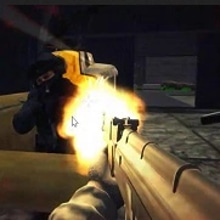
Defender of the Base drops you into that deliciously stressful situation where the map is simple but the pressure is loud: there’s a base, there are enemies, and the space between them is not enough. You’re not roaming around looking for trouble. Trouble is coming to you in waves, with zero patience and zero respect for your survival plan. The first seconds feel manageable, almost calm. Then the numbers grow. Then the enemies speed up. Then you realize you’re not playing a casual shooter anymore… you’re playing a survival job interview where the only correct answer is “keep them out.” 😅
On Kiz10.com, it hits that perfect defense-game loop: fight, upgrade, fight again, upgrade faster. Every wave becomes a short story. Early waves are warm-up. Middle waves are negotiation. Late waves are pure chaos where your hands move faster than your thoughts and your brain starts making emergency decisions like “okay, fine, I guess we’re a turret now.” The base becomes your responsibility, your pride, and your problem.
🎯💣 The combat rhythm: aim, burst, breathe, repeat
Defender of the Base feels good because it’s not only about shooting, it’s about tempo. You have to manage where your attention goes. If you tunnel-vision one side, another side collapses. If you chase a single enemy too long, a swarm slips in. The game teaches you the defense mindset: prioritize threats, not emotions. Take down the fast ones before they reach the wall. Clear groups before they stack. Don’t waste time on a target that isn’t urgent.
You’ll find yourself doing those tiny instinctive checks every second. Left side? Right side? Center? Any special enemy coming in? How close are they? Can I afford to reload now? That constant scanning is what makes defense games addictive. It’s simple input with complicated consequences.
And there’s a great feeling when you “stabilize” a wave. You’ll be under pressure, then your upgrades kick in, your damage output finally catches up, and suddenly the wave starts melting. That moment feels like relief. Then the next wave arrives to remind you relief is temporary 😭.
🧱⚙️ Upgrades are not optional, they’re your oxygen
If you’ve played base defense games, you know the truth: upgrades are survival. Defender of the Base leans into that. The more you clear, the more you earn, and the more you can invest in turning your base from “fragile target” into “angry fortress.” Better damage means fewer enemies reaching the wall. Faster firing means you can manage swarms. Stronger defenses buy you extra seconds when things go wrong, and those seconds are basically everything.
The fun part is choosing how you evolve. Do you become a single heavy-hitting powerhouse, deleting priority targets quickly? Or do you go for faster fire and crowd control, keeping the screen clean so you don’t get overwhelmed? Some upgrades feel like comfort. Others feel like aggression. The best builds usually balance both, because the game will throw different wave types at you and it loves exposing one-dimensional strategies.
You’ll also notice how upgrades change your confidence. Early on, you play cautious. After a few upgrades, you get bold. After you get bold, you make a mistake. After you make a mistake, you go back to cautious… for about thirty seconds. That’s the defense-game cycle 😅.
👾🌪️ Waves that escalate like a bad joke
The wave design is where the tension comes from. Enemies don’t just increase in number, they start arriving in patterns that mess with your habits. You’ll get fast rushers that test your reaction speed. You’ll get tougher units that demand focus. You’ll get swarms that punish weak crowd control. Sometimes the game mixes them, and that’s when it gets spicy. You’ll be forced to decide: do I delete the tanky threat now, or do I clear the swarm that’s about to flood the base?
That choice is always uncomfortable, and that’s why it’s fun. A good defense game makes you feel like you’re always slightly behind the wave, always catching up, always recovering. When you’re winning, you’re still working. When you’re losing, you’re still fighting. It’s relentless, but in a satisfying arcade way.
And when you finally survive a brutal wave, it feels like you just won a tiny war. Your base is still standing, your upgrades are stronger, and you get that proud moment like “okay… we’re alive.” Then the game immediately hits you with “next wave” like it didn’t even notice your emotional growth 😭🔥.
🧠🕹️ The real skill: calm targeting under pressure
Defender of the Base rewards players who stay calm. Panic shooting is the fastest way to waste time and let enemies slip through. The game wants deliberate targeting. Quick, yes, but deliberate. That’s the difference between surviving with a clean wall and surviving with a base that’s barely holding on.
A tiny habit that helps a lot is learning to “sweep” threats. Clear the nearest danger first, then work outward. Another habit is spacing your attention: don’t stare at one lane too long unless it’s truly the priority. Your eyes should move constantly, like you’re scanning a battlefield. When you reach the point where your scanning is automatic, the game becomes smoother, and you start lasting longer without feeling like you’re wrestling the controls.
🏁💥 Why it’s easy to replay on Kiz10.com
Defender of the Base is built for that “one more run” feeling. Each run has a different rhythm depending on your upgrade choices and how well you handle early waves. Sometimes you snowball into power. Sometimes you get a rough wave early and spend the rest of the run clawing back. Either way, it’s never just a static defense simulation. It’s an arcade survival loop where your decisions compound.
If you like base defense, wave survival, action shooting, and the satisfaction of turning a vulnerable base into a fortress, this one fits perfectly. Just remember the only law of the game: the base doesn’t need you to be brave. It needs you to be efficient 🛡️🎯💥





 Share
Share
 Embed
Embed


