𝗦𝗔𝗡𝗗, 𝗦𝗨𝗡, 𝗔𝗡𝗗 𝗔 𝗠𝗔𝗖𝗛𝗜𝗡𝗘 𝗧𝗛𝗔𝗧 𝗛𝗔𝗦 𝗧𝗢 𝗟𝗘𝗔𝗥𝗡 𝗧𝗢 𝗟𝗜𝗩𝗘 🏜️🔧
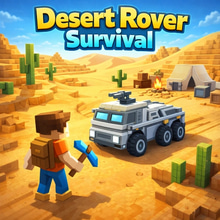
Desert Rover Survival on Kiz10 is the kind of idle survival adventure that doesn’t scream at you with constant combat. It pressures you quietly. The desert is big, dry, and indifferent, and your only real friend is the rover you’re building piece by piece. You start with a basic setup that feels almost fragile, like a prototype held together by optimism, and then you gradually turn it into a real wasteland machine by upgrading parts, improving technology, and making smart choices when events interrupt your journey.
The hook is simple: go farther. In an endless desert, “farther” is a victory condition. Every time you improve your rover, you extend your reach. Every time you upgrade technology, you make the journey more efficient. The game gives you that steady, satisfying feeling of growth where you’re not just watching numbers rise—you’re watching your machine become capable of surviving places it couldn’t survive before.
𝗕𝗨𝗜𝗟𝗗𝗜𝗡𝗚 𝗧𝗛𝗘 𝗥𝗢𝗩𝗘𝗥: 𝗙𝗥𝗢𝗠 𝗕𝗔𝗦𝗜𝗖 𝗥𝗜𝗗𝗘 𝗧𝗢 𝗪𝗔𝗦𝗧𝗘𝗟𝗔𝗡𝗗 𝗧𝗢𝗢𝗟 🛠️🚙
At the center is construction through upgrades. You interact with the UI to build components and improve your rover’s performance. That “click and drag” feel makes the game approachable because you’re not wrestling complex controls. You’re managing an evolving machine with clear actions: build this, upgrade that, confirm this choice, keep moving forward.
The rover becomes your identity. Upgrading parts isn’t just a stat boost, it’s the story of your survival. Stronger components mean your machine can endure longer trips. Better tech means you can make progress more efficiently. Over time, you stop thinking of upgrades as a menu and start thinking of them as strategy. What does my rover lack right now? Power? Efficiency? Reliability? Range? The best idle games make you ask questions like that, and Desert Rover Survival does it in a way that feels natural.
There’s also a nice psychological shift when your rover starts looking and feeling “serious.” Early on, every improvement feels huge because you’re weak. Later, improvements feel like refinement—optimizing a machine that already works. That evolution is satisfying because it mirrors real engineering: prototype, upgrade, iterate, push.
𝗜𝗗𝗟𝗘 𝗣𝗥𝗢𝗚𝗥𝗘𝗦𝗦𝗜𝗢𝗡: 𝗦𝗨𝗥𝗩𝗜𝗩𝗔𝗟 𝗕𝗬 𝗦𝗧𝗘𝗔𝗗𝗬 𝗠𝗢𝗠𝗘𝗡𝗧𝗨𝗠 📈⏳
Because it’s an idle survival game, progression is designed to be consistent rather than explosive. You make improvements, the rover performs better, and your reach expands. The desert is the measuring stick. It doesn’t care about your effort; it only shows results. When you push farther than before, you know your upgrades mattered.
This style of gameplay is perfect for short sessions. You can hop in, make a few upgrades, confirm a couple of events, and leave knowing progress will continue building. But it also supports longer sessions because optimization is endless. You’ll keep seeing opportunities to refine your rover, to choose better tech, to push deeper into the wasteland. The loop is gentle but sticky.
And the idle design creates a satisfying sense of inevitability: if you keep upgrading, you will go farther. The challenge is how efficiently you do it, and how well you handle the interruptions that try to slow you down.
𝗘𝗩𝗘𝗡𝗧𝗦 𝗔𝗡𝗗 𝗗𝗘𝗖𝗜𝗦𝗜𝗢𝗡𝗦: 𝗧𝗛𝗘 𝗗𝗘𝗦𝗘𝗥𝗧 𝗦𝗧𝗜𝗟𝗟 𝗙𝗜𝗚𝗛𝗧𝗦 𝗕𝗔𝗖𝗞 🎲🌪️
Desert Rover Survival isn’t only “upgrade until you win.” Events add texture. They pop up, ask you to confirm choices, and force you to respond. That’s where the survival part comes in. An event can be a risk or an opportunity, and your choices shape how smooth the journey feels.
These moments break the idle rhythm in a good way. They prevent the game from turning into a pure waiting simulator. You’re still driving the plan, even if the rover is doing the traveling. Events make you stay engaged, because the wrong choice can slow you, while the right one can push your progress forward.
The best players treat events like resource management puzzles. They don’t click blindly. They choose options that support their current build goal—whether that’s pushing distance, improving efficiency, or stabilizing the rover for longer stretches. It’s not complex, but it adds just enough decision-making to keep the desert feeling alive.
𝗧𝗘𝗖𝗛 𝗨𝗣𝗚𝗥𝗔𝗗𝗘𝗦: 𝗧𝗛𝗘 𝗦𝗠𝗔𝗟𝗟 𝗟𝗘𝗩𝗘𝗥𝗦 𝗧𝗛𝗔𝗧 𝗠𝗢𝗩𝗘 𝗔 𝗕𝗜𝗚 𝗠𝗔𝗖𝗛𝗜𝗡𝗘 ⚙️✨
Technology upgrades are where the “idle” part becomes powerful. They’re the behind-the-scenes improvements that make everything you do more valuable. Better tech can mean better efficiency, better performance, better returns on the same effort. It’s the kind of upgrade path that feels boring until you feel the difference—then it becomes your favorite thing.
If you’ve played any idle progression game, you know the rule: efficiency upgrades are how you break plateaus. Desert Rover Survival follows that logic. When your progress slows, tech is often the key to making the next push possible. It’s not always flashy, but it changes how quickly your rover can evolve, and that changes everything.
𝗛𝗢𝗪 𝗧𝗢 𝗣𝗨𝗦𝗛 𝗙𝗔𝗥𝗧𝗛𝗘𝗥 𝗪𝗜𝗧𝗛𝗢𝗨𝗧 𝗙𝗘𝗘𝗟𝗜𝗡𝗚 𝗦𝗧𝗨𝗖𝗞 🧠🧃
The cleanest approach is to upgrade in layers. First, make sure your rover’s core performance is stable—don’t over-invest in one part if another part is clearly limiting you. Then invest in tech that increases efficiency so every future upgrade becomes easier. When events appear, choose options that support your current bottleneck rather than whatever looks exciting. If you’re lacking progress speed, choose efficiency. If you’re failing to push distance, choose durability and performance.
And don’t ignore small upgrades. In an idle survival game, small improvements stack into big reach. The desert is a long-distance problem. Tiny gains add up.
Desert Rover Survival on Kiz10 is a calm but compelling idle survival adventure about building a rover that can outlast the wasteland. Upgrade parts, improve tech, handle events, and keep pushing farther until the desert feels less like a threat and more like your territory. 🏜️🚙✨





 2 (169 votes)
 Share
Share
 Embed
Embed