𝐓𝐡𝐞 𝐇𝐨𝐮𝐬𝐞 𝐖𝐚𝐧𝐭𝐬 𝐘𝐨𝐮 𝐓𝐨 𝐒𝐭𝐚𝐲 🚪
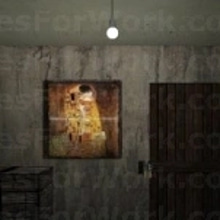
Ely is the kind of game that does not scream for your attention. It just opens the door, lets you step into a place that feels deeply wrong, and then quietly starts tightening the air around you. Public descriptions identify it as an escape-the-room style game, but with a darker goal than usual: instead of simply getting yourself out, you must make your way down to the basement and free a kidnapped girl. That one twist changes the whole mood immediately. This is not just an exit hunt. It is a rescue mission wrapped in eerie silence, strange clues, and the kind of atmosphere that makes every locked door feel personal.
What makes Ely so memorable is that it does not rely on noise. It relies on tension. You move through rooms, search objects, notice small details, and slowly piece together what this place is hiding. The game uses mouse-only interaction, which fits perfectly, because everything feels intimate. You are not rushing around swinging weapons or solving giant flashy puzzles with fireworks. You are clicking carefully, thinking twice, and testing your own instincts against a setting that always feels one clue away from something much darker.
That is the real hook. Ely is not trying to bury you in complexity. It is using observation, quiet puzzle design, and a creepy story frame to pull you deeper. The more you search, the more the house begins to feel less like a static room escape and more like a place with memory, with secrets, with bad things sitting just behind ordinary surfaces.
𝐂𝐥𝐢𝐜𝐤 𝐒𝐥𝐨𝐰, 𝐓𝐡𝐢𝐧𝐤 𝐅𝐚𝐬𝐭 🔍
A good escape puzzle game lives or dies on how it makes the player look at the world, and Ely clearly understands that. Public descriptions mention original puzzles and nice graphics, and that combination matters more than it sounds. Original puzzles mean the game wants you to think rather than coast. Good visuals mean the rooms themselves become part of the investigation. Every object matters a little more when the space feels intentional. Every corner becomes suspicious. Every drawer, frame, password, and switch starts looking like it might be the next small breakthrough.
That creates a very particular rhythm. You scan a room. Something catches your eye. You test it. Maybe it gives you an item. Maybe it gives you nothing. Maybe it gives you the kind of clue that does not feel important until ten minutes later when another piece of the puzzle slides into place and suddenly the whole room changes in your head. Games like Ely are brilliant at creating those delayed satisfactions. The answer is often there before you understand it. The pleasure comes from catching up to the design.
And because the whole experience is driven by mouse interaction, the pace stays deliberate. You are always choosing where to look. That makes success feel earned. You are not passing through on reflex. You are uncovering the house one careful decision at a time.
𝐄𝐬𝐜𝐚𝐩𝐞 𝐑𝐨𝐨𝐦𝐬 𝐅𝐞𝐞𝐥 𝐃𝐢𝐟𝐟𝐞𝐫𝐞𝐧𝐭 𝐖𝐡𝐞𝐧 𝐓𝐡𝐞 𝐒𝐭𝐚𝐤𝐞𝐬 𝐀𝐫𝐞 𝐒𝐚𝐝 🕯️
One of the strongest things about Ely is the emotional angle. The goal is not only survival or freedom. It is rescue. Public comments from players describe the game as eerie, intuitive, and even moving, which suggests the story leaves an impression beyond the puzzle mechanics themselves. That is a big advantage. A lot of escape games are clever but emotionally neutral. Ely seems to have that extra layer where the house is not just a challenge box, but a space tied to something sad and unsettling.
That sadness matters. It gives the puzzles more weight. You are not opening a password lock just because the game needs another obstacle. You are doing it because something is hidden beneath all this silence, and the deeper you go, the more the basement starts feeling like a destination you both need and fear. That is a powerful mood for a browser puzzle game. It makes even simple interactions feel loaded.
And really, that is how horror-adjacent puzzle design works best. Not by throwing monsters at the screen constantly, but by making the player feel that the space itself knows more than it is saying. Ely seems built around exactly that kind of quiet dread.
𝐓𝐡𝐞 𝐁𝐞𝐬𝐭 𝐏𝐮𝐳𝐳𝐥𝐞𝐬 𝐌𝐚𝐤𝐞 𝐘𝐨𝐮 𝐅𝐞𝐞𝐥 𝐂𝐥𝐞𝐯𝐞𝐫, 𝐓𝐡𝐞𝐧 𝐔𝐧𝐞𝐚𝐬𝐲 🧠
Escape games are at their best when the puzzles feel fair but never obvious, and Ely appears to land in that sweet spot. Player reactions specifically call the puzzles intuitive, which is a very good sign. It usually means the game is not trying to beat the player with nonsense. It wants you to notice patterns, combine logic with observation, and feel the click when a solution finally makes sense.
That is why games like this become addictive. Every locked path feels solvable. Every obstacle feels one idea away from breaking open. If you fail, you do not usually feel cheated. You feel close. Annoyingly close. That feeling is poison in the best way. It keeps you clicking. Keeps you checking one more drawer, one more symbol, one more suspicious object on the wall because surely the answer has to be here somewhere.
Then, when it finally opens, the reward is not loud. It is sharper than that. A quiet little rush. The exact kind of satisfaction that only point-and-click escape games deliver when the world stops being random and starts revealing its logic.
𝐓𝐡𝐞 𝐇𝐨𝐮𝐬𝐞 𝐈𝐬 𝐓𝐡𝐞 𝐑𝐞𝐚𝐥 𝐄𝐧𝐞𝐦𝐲 👁️
What gives Ely its identity is that the danger feels architectural. The rooms themselves are the puzzle. The furniture, the locked spaces, the hidden messages, the strange atmosphere, all of it works together like one larger enemy. You are not fighting a boss in the traditional sense. You are fighting secrecy. Fighting concealment. Fighting the way this place refuses to tell the truth cleanly.
That makes every new room feel meaningful. A new door is not just a transition. It is a question. What is this space hiding? What clue did I miss before? What object mattered more than I thought? In a strong escape game, progress always changes how you see the earlier rooms, and Ely feels like exactly that sort of design. The house keeps rearranging itself in your mind even when the walls do not move.
And because the premise pushes you toward the basement, the whole game has a natural downward tension to it. Going deeper always feels symbolic in games like this. You are not only moving through rooms. You are moving toward the part of the story that hurts the most.
𝐖𝐡𝐲 𝐄𝐥𝐲 𝐖𝐨𝐫𝐤𝐬 𝐒𝐨 𝐖𝐞𝐥𝐥 𝐎𝐧 𝐊𝐢𝐳𝟏𝟎 🌒
If you enjoy room escape games, eerie point-and-click puzzles, hidden clue adventures, and browser games where atmosphere matters as much as logic, Ely is a very strong fit on Kiz10. Kiz10’s own escape category centers on searching for clues, solving intricate puzzles, finding useful items, and unlocking your way through confined spaces, and Ely lines up with that structure beautifully while adding a darker rescue angle.
What really makes it stick is the balance between quiet puzzle solving and unsettling story energy. It is not loud, but it is not empty. It is not overly complicated, but it is not casual either. It feels like a game that trusts the player to pay attention, to connect the clues, and to sit with the discomfort of what lies deeper in the house.
So yes, Ely is an escape game. But it is also the kind of escape game that leaves a shadow behind. You click through rooms, solve strange locks, search for meaning, and slowly realize that the real challenge is not only finding the next door. It is understanding what waits behind it. That is a much better kind of tension than cheap panic. It lingers. And that is exactly why the game works.





 4.5 (14 votes)
 Share
Share
 Embed
Embed