🌀⚡ A tiny toy, a huge ego, and a timer that judges you
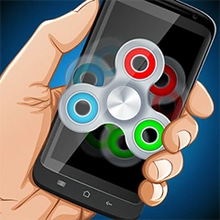
Fidget Spinner Extreme looks harmless for about half a second. A spinner. A clean screen. A timer. Then you launch your first run on Kiz10 and realize the game is basically a speed-and-control challenge disguised as a calming distraction. You’re not “just spinning.” You’re chasing numbers, chasing consistency, chasing that perfect rhythm where the spinner keeps going like it’s powered by pure stubbornness. And the clock? The clock is the villain with a polite smile. It gives you 5, 10, 15, or 30 seconds and says, go ahead, impress me. 🫠
It’s a quick arcade skill game where the fun is immediate: you flick the spinner, watch it ramp up, and try to keep it alive at high speed without losing momentum. The best part is that the game doesn’t need a huge map or complicated controls to feel tense. It’s all about micro-decisions. How hard do you flick? How often do you push? When do you stop spamming and let it breathe? Because yes, spamming can backfire. Sometimes the most effective move is a controlled tap, not a desperate hammering. Your hands learn this after you embarrass yourself once or twice. 😅
⏱️🧠 Short rounds, loud emotions
The timed modes are what make Fidget Spinner Extreme weirdly addictive. Five seconds feels like nothing until you realize you can ruin it with one sloppy flick. Thirty seconds sounds generous until you’re ten seconds in and your spinner starts slowing down and you’re thinking, wait, why is it dying already? That’s the hook: each time limit has a different “feel.” Short modes reward explosive starts and quick stabilization. Longer modes reward pacing, control, and not burning all your energy in the first rush.
And you’ll absolutely do that. You’ll go full turbo early, watch the spinner peak, then fade out while you stare at it like it betrayed you. The game teaches you something simple but brutal: maximum speed isn’t everything if you can’t maintain it. That’s the difference between a lucky spin and a high score you can repeat.
🌀🎮 The flick is simple. The mastery is not.
At the center of the game is a very pure idea: flick to spin, keep it spinning, earn the best spin count possible before time runs out. But mastery creeps in because the spinner reacts to your input like a living thing with mood swings. Too gentle and it never reaches strong RPM. Too aggressive and you waste motion, lose smoothness, and end up with a wobble that bleeds speed. So you start experimenting. You try different rhythms. You learn how to “feed” the spin instead of forcing it.
There’s a moment where it clicks. You stop overthinking. Your hand finds a steady pattern. The spinner stays fast, stable, confident, like it’s floating on a perfect track. That’s when the game turns from “fun toy” into “okay I need to beat my own score right now.” Because once you know you can do it, you don’t accept lower numbers. Pride enters the room. 🏁😈
🔁😵 The cycle of obsession (and why it works)
What makes Fidget Spinner Extreme feel so replayable is how clean the feedback is. You finish a run and you immediately know what happened. You started strong but dropped off. You were steady but never reached peak. You panicked mid-run and ruined the rhythm. You got distracted for a second and your score suffered. There’s no mystery. The game is honest, and honest games are dangerous because they make you feel responsible for your improvement. So you replay.
It becomes this tiny loop: one more try to fix the start, one more try to keep it smooth, one more try to see if 30 seconds can finally be your “perfect run.” It’s the same reason people love rhythm games and clicker timing games. It’s not a long commitment. It’s a short challenge you can repeat until you feel satisfied… or until your brain decides satisfaction is illegal. 😄🌀
🧯🫧 Control vs chaos: the hidden lesson
There’s a funny psychological trick here. A spinner looks like a relaxation toy, right? But this game turns it into a performance test. Your instinct is to go wild. Your best results usually come from control. That contrast is the secret sauce. When you stay calm, your inputs become cleaner. When you chase the number too aggressively, you start making messy moves that lower the total. So the game subtly rewards discipline.
You’ll notice it especially in longer rounds. You can’t brute force 30 seconds. You need a steady hand. You need a rhythm that keeps speed alive without introducing chaos. It’s almost meditative when it goes well. Tap, watch, adjust, breathe. The spinner hums along. Then you get greedy, overdo it, and the whole run collapses like a dramatic soap opera in plastic form. 🫠💨
✨🌀 Why the high score feels personal
The numbers aren’t just numbers after a while. They become a statement. You start remembering your best run like it’s a trophy. You start chasing it with that competitive gamer brain that refuses to let a previous version of you be better than the current you. And because runs are short, you always feel like the next attempt could be the one. That possibility is powerful. It keeps you locked in.
It also makes the game perfect for quick breaks. You can play one run, feel satisfied, leave. Or you can play one run, get annoyed because you were close, and suddenly you’ve done ten runs. Fidget Spinner Extreme has that “I can improve in one minute” energy, and that’s why it fits so naturally on Kiz10 as a casual skill challenge.
🏁🌀 The best way to play: like a rhythm game with a toy skin
If you treat it like a rhythm game, you’ll improve faster. Find a steady tempo instead of chaotic bursts. Watch how the spinner responds. Keep your inputs consistent. Use the timer to plan your approach: explosive start for short rounds, controlled maintenance for long rounds. And most importantly, don’t let one bad second ruin your mood. It’s a fast game. Resetting is part of the fun.
Fidget Spinner Extreme is simple, satisfying, and weirdly competitive. It’s the kind of browser game that turns “just a spinner” into a tiny arena where your timing, focus, and control decides everything. Spin fast, stay smooth, and try not to start arguing with a piece of virtual plastic when it slows down. It won’t listen anyway. 🌀😅⚡













 Share
Share
 Embed
Embed


