𝗦𝗸𝘆𝗹𝗶𝗻𝗲 𝘄𝗮𝗿, 𝗯𝗮𝗻𝗮𝗻𝗮 𝗮𝗿𝘁𝗶𝗹𝗹𝗲𝗿𝘆, 𝗮𝗻𝗱 𝘆𝗼𝘂𝗿 𝗺𝗮𝘁𝗵 𝗽𝗮𝗻𝗶𝗰 🍌🏙️😅
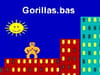
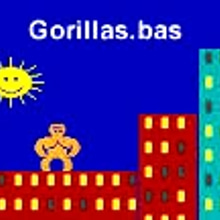
Gorillas Bas on Kiz10.com is one of those “simple on paper, legendary in the hands” games that turns a city skyline into a tiny battlefield and your brain into a calculator that occasionally screams. Two gorillas stand on separate rooftops, staring each other down like they’re in an action movie made of pixels and questionable confidence. You take turns. You pick an angle. You pick a power. You throw an explosive banana. If it hits the other gorilla, you win. If it hits a building, you just invented a new window where a window didn’t exist before. If it flies too high… well, it goes on a little vacation and comes back with nothing but embarrassment.
What makes it special isn’t the graphics or a huge upgrade system. It’s the feeling. That clean moment before the throw where you’re convinced you’re a genius, followed by the banana’s flight path revealing the truth about your genius. Sometimes you land a perfect arc and the opponent disappears in a satisfying blast like you planned it all along. Other times you miss by a mile and immediately start rewriting history in your head: “I was testing the wind.” Sure you were.
𝗧𝘂𝗿𝗻-𝗯𝗮𝘀𝗲𝗱 𝘁𝗲𝗻𝘀𝗶𝗼𝗻 𝘁𝗵𝗮𝘁 𝗳𝗲𝗲𝗹𝘀 𝗹𝗶𝗸𝗲 𝗮 𝗱𝘂𝗲𝗹 ⏳👀
This is turn-based strategy, but not the slow, heavy kind. It’s the fast, personal kind. You get one shot, then you watch. That “watching” is where the drama lives, because the banana travels across the screen and you can feel the outcome before it arrives. If it’s too low, it’s going to kiss a building. If it’s too high, it’s going to sail right over the target like a polite greeting. If the arc looks perfect… your heart does that tiny jump because you know what a perfect arc means.
And then it lands. Either in glory or in tragedy. The best part is that even a miss is information. You learn the distance. You learn how the skyline blocks line-of-sight. You learn whether you need a higher arc to clear a tall building or a flatter arc to avoid wasting power. Every shot becomes a note in a tiny mental notebook you didn’t mean to create.
What’s funny is how quickly the game makes you competitive. It’s just two gorillas and some rooftops, yet the moment you miss and the opponent lands a clean hit near you, you feel it as a threat. Not because the gorilla is scary. Because the message is clear: “I’m closer than you think.” 😬
𝗧𝗵𝗲 𝗰𝗶𝘁𝘆 𝗶𝘀 𝗿𝗮𝗻𝗱𝗼𝗺, 𝘀𝗼 𝘆𝗼𝘂 𝗵𝗮𝘃𝗲 𝘁𝗼 𝗮𝗱𝗮𝗽𝘁 🏢🎲
One of the most charming (and cruel) things about Gorillas Bas is that the skyline changes. Buildings are generated in different shapes and heights, so you’re never throwing across the exact same setup for long. That means you can’t rely on memorized numbers like a robot. You have to read the environment every match. Tall towers in the middle demand higher arcs. Short buildings invite flatter shots that arrive faster. A weird gap might create a sneaky lane that lets you thread a banana through like you’re doing surgery with fruit.
This is where the game becomes a puzzle without ever saying “puzzle.” You’re not solving with pieces. You’re solving with trajectories. The buildings are your walls, your obstacles, your measuring tape, and sometimes your accidental shield when a shot that should’ve hit you gets stopped by one stubborn rooftop edge. The city gives you cover and takes it away, and it forces you to play smarter than “just throw harder.”
It also creates these hilarious psychological moments. If you’re standing on a short building, you’ll feel exposed, like you’re the easy target. If you’re on a tall building, you feel powerful… until you realize tall buildings can block your own low-angle shots too. Advantage and disadvantage flip constantly depending on where you are and what’s between you.
𝗔𝗻𝗴𝗹𝗲 𝗮𝗻𝗱 𝗽𝗼𝘄𝗲𝗿 𝗮𝗿𝗲 𝘀𝗶𝗺𝗽𝗹𝗲 𝘄𝗼𝗿𝗱𝘀 𝗳𝗼𝗿 𝗮 𝗰𝗼𝗺𝗽𝗹𝗶𝗰𝗮𝘁𝗲𝗱 𝗳𝗲𝗲𝗹 🧠📐
The entire game lives in two inputs that sound harmless: angle and speed (power). That’s it. But those two numbers contain a whole universe of decision-making. A higher angle gives you a tall arc that can clear buildings, but it also makes the banana spend more time in the air, which feels dramatic… and also gives you more time to worry. A lower angle arrives quicker and can be deadly when the path is open, but a low shot is the easiest way to smack a building and pretend you meant to redecorate the city.
Power is its own personality test. Too little and the banana drops short like it gave up. Too much and it overshoots like it’s allergic to landing. The sweet spot is the magical combination where the banana peaks at the perfect moment, clears the skyline by just enough, and descends right where the opponent’s gorilla is standing with that smug little “try me” posture.
After a few rounds, you stop thinking of angle and power as “numbers” and start thinking of them as vibes. This shot feels like a 45-degree classic. This one needs to be higher to clear the middle tower. This one needs less power because the target is closer than it looks. You still use logic, but you also develop intuition, and that blend is why Gorillas Bas feels so timeless.
𝗪𝗶𝗻𝗱, 𝗴𝗿𝗮𝘃𝗶𝘁𝘆, 𝗮𝗻𝗱 𝘁𝗵𝗲 𝗽𝗮𝗿𝘁 𝘄𝗵𝗲𝗿𝗲 𝘆𝗼𝘂 𝗯𝗹𝗮𝗺𝗲 𝗻𝗮𝘁𝘂𝗿𝗲 🌬️🍌
Depending on the version you’re playing, environmental factors like wind can turn a “correct” shot into a comedy shot. You’ll launch something that looks perfect, then it drifts like the banana suddenly discovered a new hobby mid-air. This is the moment where Gorillas Bas becomes less about raw aim and more about adjustment. You start compensating. You nudge angle slightly. You add a little power. You aim a bit left because the wind will carry it right. It’s a tiny layer of chaos that makes the duel feel alive, because it prevents perfect repetition and forces you to react like a real artillery game.
Even without strong wind, the simple fact that you’re shooting in an arc means you’re constantly negotiating with gravity. You can’t “laser” the target. You have to lob the shot. That lobbing is what makes every hit feel earned and every miss feel like a lesson. The banana isn’t just a projectile. It’s a report card you can’t argue with.
And yes, sometimes the skyline steals your win. You’ll line up a hit and a building catches it at the last pixel. That’s not unfair. That’s the game reminding you the city exists. Use it. Respect it. Fear it a little.
𝗧𝗵𝗲 𝗯𝗲𝘀𝘁 𝗵𝗶𝘁𝘀 𝗮𝗿𝗲 𝗼𝘂𝘁𝗿𝗮𝗴𝗲𝗼𝘂𝘀𝗹𝘆 𝘀𝗮𝘁𝗶𝘀𝗳𝘆 💥🏆
When you finally land a direct hit, it feels absurdly good. Not because it’s violent, but because it’s precise. You did a tiny physics experiment and it succeeded. You measured distance with your eyes, you picked your numbers, you launched the shot, and the result was perfect. That’s the core reward loop: prediction turning into impact.
Even near-misses feel exciting because they tighten the duel. You’ll clip the edge of the opponent’s rooftop and suddenly the next shot is terrifying for them. You’ll destroy a building segment and create a new opening, and now the battlefield has changed because of your choices. The environment becomes part of the story of the match, not just the background. A few shots in, the skyline is scarred, the duel is personal, and every new throw carries the weight of “this could be the one.”
That’s why Gorillas Bas still works so well on Kiz10.com. It’s quick, it’s readable, and it has that perfect mix of skill and chaos. You can win by being smart, and you can also lose because you got greedy and pushed power too far. Both outcomes feel fair. Both outcomes make you want another rounds.









 3.8 (20 votes)
 Share
Share
 Embed
Embed