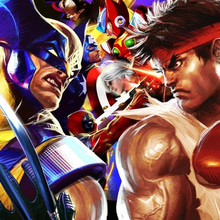
The screen explodes before the bell even finishes. Capes, claws, plasma, and punches fold into one bright knot of motion, and you remember why arcade brawlers feel like concerts. Marvel vs Capcom: Clash of Super Heroes is the moment two universes shake hands and then immediately start throwing hands, a tag team fighter built on momentum, assists, and the kind of hyper combos that make the crowd lean in as one. You pick two champions, step onto a tiny stage that somehow holds a multiverse, and discover that the real win condition is rhythm.
🎭 Roster energy that never sits still
Picking your pair is half story, half strategy. Maybe you like contrast: a rushdown menace that lives in your face paired with a zoner who paints the screen with projectiles so your approaches have cover. Maybe you like symmetry: two fast characters that keep the tempo high and the ground hot. Marvel icons arrive with swagger and reach; Capcom legends answer with precision and trickery. The real magic is how any odd couple can sing together once you learn where each shines.
🔁 Tag flow is the heartbeat
Swapping is not an escape. It is punctuation. You call your partner to cover a landing, trade places to dodge a punish, or bring in fresh normals when a string would otherwise end. Good tags feel like sliding from one sentence into the next without losing grammar. When a round gets hot you will catch yourself tagging earlier, tagging safer, tagging with intent. That is when your team stops being two characters and becomes a plan.
💥 Hyper combos that rewrite the room
Supers are not just damage; they are edits. A beam cuts through a projectile war and resets the conversation. A cinematic rush pins someone long enough to call an assist and set a trap. Two bars open the door for synchronized fireworks that turn a corner scramble into a highlight you will clip later. Meter management becomes adult decision making. Spend now to flip tempo or save for the moment that ends a life bar and tilts the entire set.
🪜 Air game where gravity negotiates
Launchers are invitations to improvise. A clean pop sends both of you off the ground and the clock slows in your head. Light to medium to special, drift forward to keep close, end with a knockdown that leaves your incoming pressure already written. Drop too greedily and you hand the turn back. The best players look simple in the air because their routes are neat. That neatness is earned through a dozen ugly drops you will forgive yourself for while you learn.
🧠 Defense with teeth
Blocking is not hiding. It is research. You learn their string, take the chip you must, pushblock to break rhythm, and tag out when the math supports it. Anti airs exist to remind jump happy rivals that the sky charges rent. Rolls on wakeup are small investments that change the stock price of a corner. A single well placed parry or guard cancel tells the room you are awake, and suddenly offense on the other side turns cautious. Defense is a conversation where “no” is said politely but firmly.
🧰 Assists and helpers as glue
Calls are little time machines. A quick poke that keeps your turn alive after a blocked jump in. A screen control blast that forces a bad angle. A meter builder that pays you for patience. Use them to cover approaches and, more importantly, to cover exits. The lesson lands fast: assists are strongest when they make your existing idea safer, not when they attempt to be ideas by themselves.
🌆 Stages that frame the chaos
Backdrops are loud but hitboxes are honest. Corners shorten distances and turn loose strings into real pressure. Midstage rewards whiff punishing and brave dashes. Visual noise never drowns readability; silhouettes remain crisp, and specials telegraph with just enough flourish that your hands can keep up. You start to have favorite spots—a decal on the floor where your jump arc lands perfectly, a pillar that marks the range of your best poke—and those micro landmarks make your routes reliable.
🎯 Footsies, then fireworks
Yes, it is a spectacle, but the quiet art of spacing wins the invitations to the big show. A single step outside sweep range makes a greedy button whiff and your punish writes itself. Short hops and micro walks tell the opponent stories they will start believing, and belief is how you land the throw that everyone swears they reacted to. Learn where your jab owns the sidewalk and where you must respect theirs. Fireworks feel better when footsies buy the fuse.
🎧 Sound that tells the truth
Hit confirms have weight without mud. A counterhit sings a different note so your brain can cash out without staring. Beam supers charge the air with a warning that even the boldest dash respects. Crowd stingers when momentum flips are subtle and earned. Play with headphones and you will start reacting to tones as much as sprites; play on speakers and you will still hear enough to keep your timing honest.
🧪 Training that pays immediate rent
Ten minutes in practice does more than one hour of hopeful laddering. Drill confirm routes from your most common starters. Record a dummy to mash after blocking so you learn which gaps are fake and which are invitations. Practice safe tags until the inputs live in your hands instead of your thoughts. Then jump back online and feel the difference at once as scrambles turn into sequences and sequences turn into rounds.
🕹️ Inputs that reward discipline
Specials are clean quarter circles, dragons, charges you can trust. Shortcuts are stingy enough to keep execution from turning sloppy. The result is a game where your choices show up on screen the way you meant them to. If something wild happens, it is because someone made a bold call, not because the engine rolled a die you did not see.
📈 The set becomes a story
First game: nerves, dropped enders, a panic tag that gets blown up. Second game: you stop swinging at ghosts and start punishing habits. Third game: adaptation war. They delay their assist; you delay your pushblock. They try to cross same side; you walk out like a mind reader. The scoreboard matters, but what you will remember is the narrative arc—how a stranger’s team became readable and then beatable because you kept your head and edited your plan.
🌐 Why it thrives on Kiz10
Jump in, pick a pair, feel power inside a minute. Short sessions deliver real improvement; long sessions deliver rivalries and stories. The barrier to fun is almost zero which means the barrier to learning is gone too. Share a clip of that perfect hyper finish and a friend will send back a route you will steal immediately. That loop—play, learn, brag, repeat—is the true tag mechanic outside the screen.
🏁 The round you will brag about
Picture low life on both sides, meter tight, assists on cooldown. You dash, feint, they bite. Light confirm, launcher, two hits in the air, ender into safe tag. They wakeup super; you saw it coming, block, and answer with your own. The beam catches both the point and the stray helper, and the life bar melts just enough that a single jab check closes the book. It looks inevitable in the replay. It felt impossible a second before. That is the flavor here: chaos that rewards preparation, spectacle that respects craft.
Marvel vs Capcom: Clash of Super Heroes is speed with a brain and style with substance. Build a pair that reflects how you like to solve problems, learn where to place your feet before you swing, and let the tag rhythm carry you through scrambles that turn into highlights. When the hyper flash fills the screen and the victory pose lands, it will not feel random. It will feel like timing, taste, and a good assist.





 Share
Share
 Embed
Embed


